Alexandrite
Also known as: Color-change chrysoberyl, Alexandrite chrysoberyl
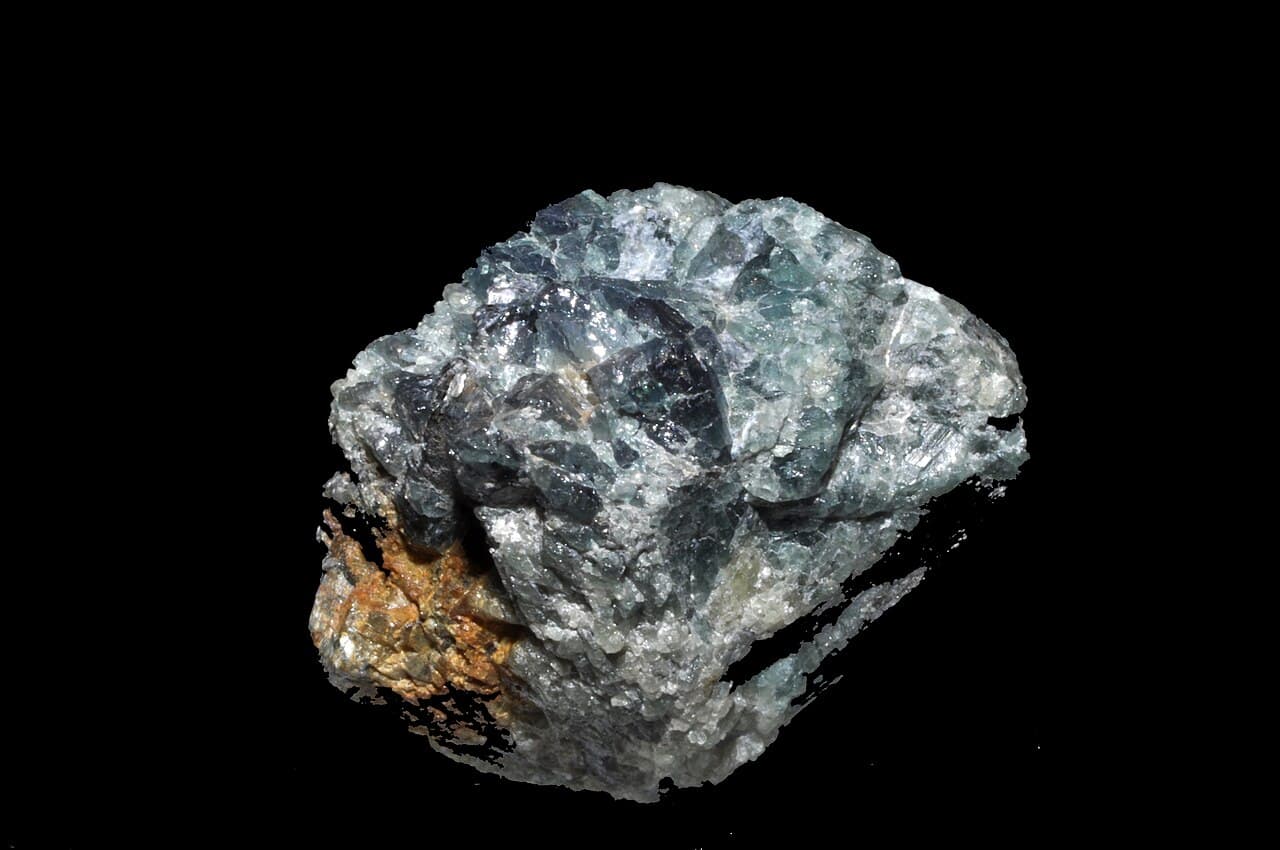
Alexandrite is the rare, color-changing variety of the mineral chrysoberyl, a beryllium aluminum oxide with the formula BeAl₂O₄. It is famous for a single dramatic trick: the same stone looks green to bluish-green in daylight or fluorescent light, then shifts to red, raspberry, or purplish-red under the warm glow of incandescent bulbs or candlelight. This near-total reversal of color in one untreated gem is so striking that alexandrite has long been described as "emerald by day, ruby by night." It is also extremely durable, ranking 8.5 on the Mohs scale — harder than almost every gem except diamond, corundum (ruby and sapphire), and a few others.
The color change is caused by trace amounts of chromium, the same element that colors emerald and ruby. Chromium makes alexandrite transmit both green and red light strongly while absorbing the yellow band in between, so whichever color dominates depends on the light source: daylight is rich in green-blue wavelengths and pulls the stone green, while incandescent light is rich in red wavelengths and pulls it red. Alexandrite was first identified in Russia's Ural Mountains in the 1830s and named after the future Tsar Alexander II, and because its green-and-red change echoed old Imperial Russian military colors it became a national favorite. Genuine, fine-quality alexandrite is one of the rarest and most valuable colored gemstones in the world, and it is one of the modern birthstones for June.
Alexandrite at a glance
- Classification
- Mineral — color-change gem variety of chrysoberyl
- Composition
- BeAl₂O₄ (with trace chromium)
- Hardness
- 8.5 (Mohs)
- Luster
- Vitreous (glassy)
- Streak
- White to colorless
- Colors
- Green to bluish-green in daylight; red to purplish-red under incandescent light
- Crystal system
- Orthorhombic
- Transparency
- Transparent to translucent
How to identify it
The defining test for alexandrite is the color change, and it is easy to perform: examine the stone first in daylight or under cool white fluorescent light, then under an ordinary warm incandescent bulb or candle flame. Genuine alexandrite swings from a green or bluish-green to a red, raspberry, or purplish-red — a true reversal of hue rather than a slight shift in tone. The strength and completeness of this change is the single most important quality factor and the most reliable sign that you are looking at real alexandrite rather than an ordinary green or red stone. Be sure to move the stone between genuinely different light sources, because a quick glance under one light alone will never reveal the effect.
Several other features confirm the identification. Fine alexandrite shows strong pleochroism, meaning it can display different colors — green, orange-yellow, and red — when viewed from different crystal directions, separate from the lighting-driven color change itself. It is also exceptionally hard at 8.5 on the Mohs scale, so it resists scratching far better than softer green or red stones, and it has a bright glassy luster and a clean white streak. Because alexandrite is chrysoberyl, its physical properties match that species exactly; the color change is what sets this variety apart. A stone that is hard, glassy, and reverses cleanly between green and red across light sources is almost certainly alexandrite.
Colors and varieties
Alexandrite is defined by its two faces rather than a single color. In daylight it ranges from green and grass-green to bluish-green and teal, while under incandescent light it turns red, purplish-red, raspberry, or brownish-red. The most prized stones show a vivid, saturated green that flips to a rich, pure red with little brown or muddiness — a clean, dramatic, near-complete reversal. Many alexandrites change less fully, shifting from a grayish or yellowish green to a duller purple-brown, and these weaker changers are far more common than the textbook "emerald to ruby" ideal. The completeness, vividness, and contrast of the two colors together largely determine a stone's quality.
Beyond ordinary faceted alexandrite, a few special forms exist. Cat's-eye alexandrite combines the color change with chatoyancy — a sharp band of light that sweeps across a cabochon, an effect inherited from chrysoberyl's other famous variety — and is exceptionally rare and desirable. Source can also influence character: classic Russian Ural material is legendary for its strong green-to-red change, while alexandrite from other deposits may lean more bluish-green in daylight or more purplish under warm light. Whatever the source, alexandrite is naturally colored by chromium and is not routinely dyed or color-treated, so the change you observe is the stone's own.
Meaning and properties
Because alexandrite literally transforms before your eyes, it has gathered a rich body of symbolism around change, balance, and duality. In its Russian homeland it was associated with good fortune and, through its green-and-red shift, with national pride, and in later crystal traditions it has been linked to adaptability, renewal, joy, and the harmonizing of opposites — the idea of a stone that bridges two states. As a modern June birthstone it is often given as a token of transformation and good luck, and many people simply prize it as a deeply personal gem whose mood seems to follow the changing light of the day.
These meanings are cultural, historical, and spiritual rather than scientifically proven effects. Alexandrite is a beautiful and meaningful stone to own and to wear, but it does not cure, treat, or prevent any physical or mental health condition and is not a substitute for professional medical care.
Value
Alexandrite is one of the most valuable colored gemstones in the world, and its value is driven above all by the quality of the color change. Stones that flip strongly and cleanly between a vivid green and a vivid red command the highest prices, while weak changers that move only from grayish-green to dull purple are worth far less. After the change, the usual factors apply: clarity, cut, and especially size, since fine alexandrite is extremely rare in larger sizes and price rises steeply as carat weight increases. Cat's-eye alexandrite, which adds chatoyancy to the color change, is rarer still and sits at the top end of the market.
Because genuine alexandrite is so scarce and so costly, the marketplace is full of substitutes and outright imitations, which makes provenance and disclosure especially important. Lab-grown alexandrite and color-change imitations exist in large quantities and are perfectly legal when sold as such, but they are worth a small fraction of a natural stone, so the difference between "natural alexandrite" and "created" or "simulated" alexandrite is enormous in value terms. For any significant purchase, an independent gemological report confirming that a stone is natural chrysoberyl with color change is essential. No specific localities or price figures are offered here.
Real vs. fake
The most common "fakes" are not crude glass but convincing color-change substitutes, so the key is separating natural alexandrite from look-alikes and lab-made material. The cheapest and most widespread imitation is synthetic color-change corundum (laboratory-grown sapphire doped to change color), which has been sold for over a century and typically shifts from a grayish-blue to an amethyst purple rather than alexandrite's green-to-red — a tell-tale wrong pair of colors. Synthetic color-change spinel and color-change glass imitations exist as well. Genuine synthetic alexandrite (true lab-grown chrysoberyl) is the trickiest case: it has the same chemistry and color change as the natural gem and can usually be separated only by a gemologist examining inclusions and growth features under magnification.
Several natural gems can also mimic alexandrite. Color-change garnet shifts between green or bluish-green and red or purplish-red much like alexandrite, but garnet is singly refractive, lacks alexandrite's strong pleochroism, and is somewhat softer, so its optical behavior differs under a loupe. Color-change sapphire is another natural stand-in but generally shows the blue-to-purple change typical of corundum rather than a clean green-to-red. Because so many of these substitutes are persuasive to the eye, and because the value gap between natural and synthetic alexandrite is so large, a laboratory report is the only sure way to confirm a natural stone for any important purchase.
Care
Alexandrite is one of the most durable gemstones available. At 8.5 on the Mohs scale it is very hard and highly resistant to scratching, and it has no easy cleavage direction that would make it prone to splitting, so it stands up well to daily wear in rings, earrings, and pendants. This toughness is part of what makes it practical as well as precious. Even so, like any gem it can be chipped by a hard, sharp blow and can be abraded over many years if it is constantly knocked, so a little everyday caution still pays off.
Cleaning is straightforward: warm water, mild dish soap, and a soft brush will keep alexandrite bright, after which you simply rinse and dry it. Thanks to its hardness and lack of cleavage, alexandrite is generally considered safe for ultrasonic and steam cleaning, although the gentlest and safest approach is always plain warm soapy water, especially for a stone that contains visible inclusions or fractures. Store alexandrite separately from softer gems so it does not scratch them, and remove it before heavy manual work. With minimal care, this remarkable color-change gem will keep both of its colors for generations.
Alexandrite look-alikes
Frequently asked questions
Why does alexandrite change color?
Trace chromium lets alexandrite transmit both green and red light strongly while absorbing the yellow band between them. Daylight and fluorescent light are rich in green-blue wavelengths and make the stone look green; incandescent light and candlelight are rich in red wavelengths and make the same stone look red. The change is real and natural, not a treatment.
How can I test if alexandrite is real?
View the stone first in daylight or cool fluorescent light, then under a warm incandescent bulb. Genuine alexandrite reverses from green or bluish-green to red or purplish-red. A clean, strong change toward green-and-red — rather than the blue-to-purple typical of imitation color-change sapphire — is a good sign, but only a gemological report can confirm a natural stone and rule out lab-grown chrysoberyl.
What is the difference between alexandrite and chrysoberyl?
Alexandrite is a specific variety of the mineral chrysoberyl. All alexandrite is chrysoberyl, but only the rare chromium-bearing, color-changing material is called alexandrite. Ordinary chrysoberyl is typically a stable yellow to green-yellow or brown and does not change color; cat's-eye chrysoberyl (cymophane) is another variety.
Is alexandrite durable enough for everyday rings?
Yes. At 8.5 on the Mohs scale alexandrite is very hard, resists scratching well, and has no easy cleavage, making it one of the more wearable precious gems for daily rings. It is generally safe to clean with warm soapy water, and usually with ultrasonic or steam cleaners too, though plain soapy water is the gentlest choice for stones with visible inclusions.
Is lab-grown alexandrite real alexandrite?
Lab-grown (lab-created) alexandrite is real chrysoberyl with the same color-change chemistry, grown in a laboratory rather than mined — chemically and optically genuine, and honest when disclosed. Because natural alexandrite is one of the rarest and most expensive gemstones on Earth, almost all affordable 'alexandrite' jewelry, and much of the 'alexandrite' in vintage pieces, is actually lab-grown or a simulant. It should always be sold and priced as lab-created; the trap is a lab-grown or simulated stone sold at natural prices. A strong, clean, complete color change in a large, inexpensive stone is the clearest sign it is not natural.
How much is alexandrite worth?
Natural alexandrite is among the most valuable gemstones per carat. Fine stones showing a strong, complete color change can reach five figures per carat, and even small natural stones command high prices because the material is so scarce. Value hinges first on the strength and completeness of the color change (a full green-to-red shift beats a partial one), then on clarity, size and origin, with historic Russian stones carrying a premium. Lab-created alexandrite, by contrast, is inexpensive — and that enormous price gap between natural and lab-grown is itself the clearest signal of which one you are looking at.
Is alexandrite a birthstone?
Yes — alexandrite is one of the three modern birthstones for June, alongside pearl and moonstone, added to the June list in the 1952 revision. It is the rarest and most prized of the three. Because fine natural alexandrite is so costly, most alexandrite birthstone jewelry uses lab-created stones, which are a genuine and affordable way to wear the color-change gem.
Is yours alexandrite? Find out from a photo
Photograph your gemstone in good light and get an identification with an honest confidence level, the look-alikes to rule out and the at-home tests that confirm it.
Identify my gemstone freeOn Android? Get the free rock identifier app
Related
More gemstones in the field guide
Keep exploring
More on gemstones: the full list of crystal and gem types, how to identify gemstones and the polished-stone identifier.
Last updated 2026-07-19. Identification guidance is educational — confirm important results with the diagnostic tests described or a qualified expert.