Types of Crystals: The Complete Guide
There are thousands of minerals. Only a few hundred are sold as crystals, and most of those belong to a few families. This page shows the main types of crystals with photos. Then it sorts them four ways: by family, by crystal system, by color and by use.
The short answer
“Types of crystals” can mean two things. In science, every crystal belongs to one of 7 crystal systems. Each system is named for the shape of the pattern inside the crystal. In shops, it means the named stones: amethyst, rose quartz, fluorite and so on.
- The 7 crystal systems: cubic, tetragonal, orthorhombic, hexagonal, trigonal, monoclinic, triclinic.
- About 6,250 minerals are recognized (6,252 on the official IMA list, November 2026). A few hundred are sold as crystals.
- The most common crystals are quartz: clear quartz, amethyst, rose quartz, citrine, smoky quartz, agate.
- This list has 100 crystals, gems and minerals, 87 of them with a photo.
Have a crystal and no name for it? Identify it from a photo
The 12 most common types of crystals
These are the crystals most people see first. Seven of the twelve are quartz. That is why so many crystals share a hardness of 7.
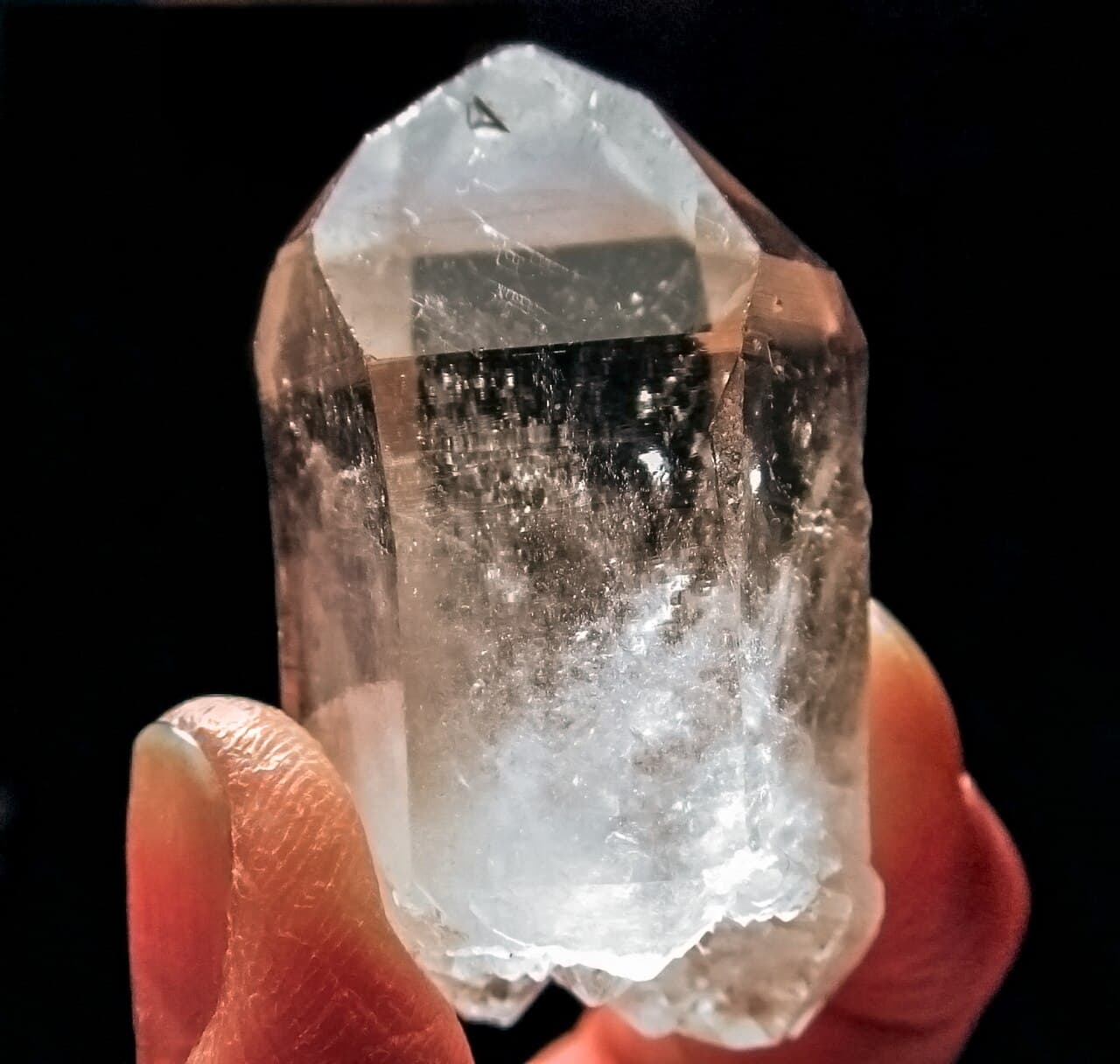
- Clear Quartz
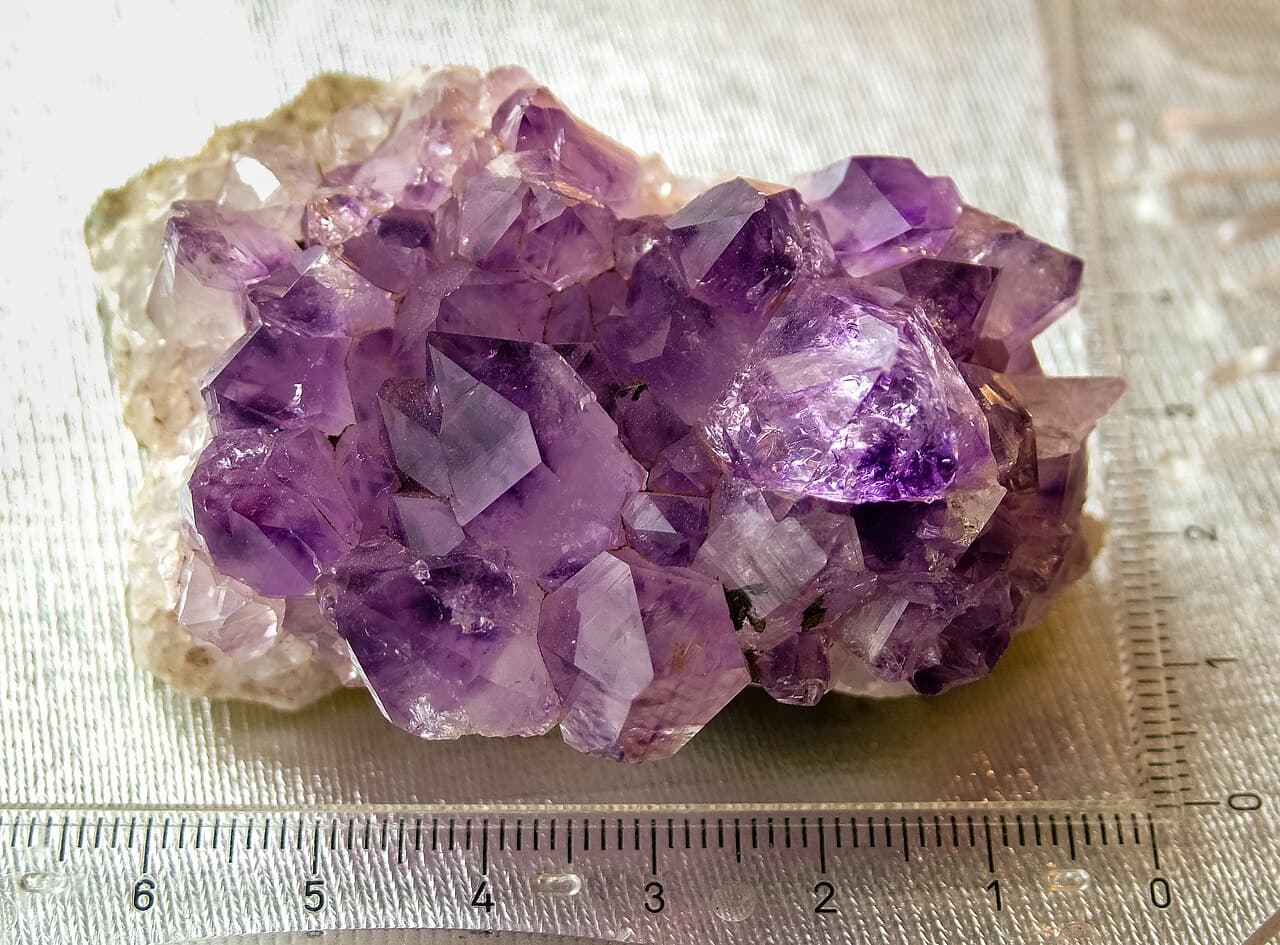
- Amethyst
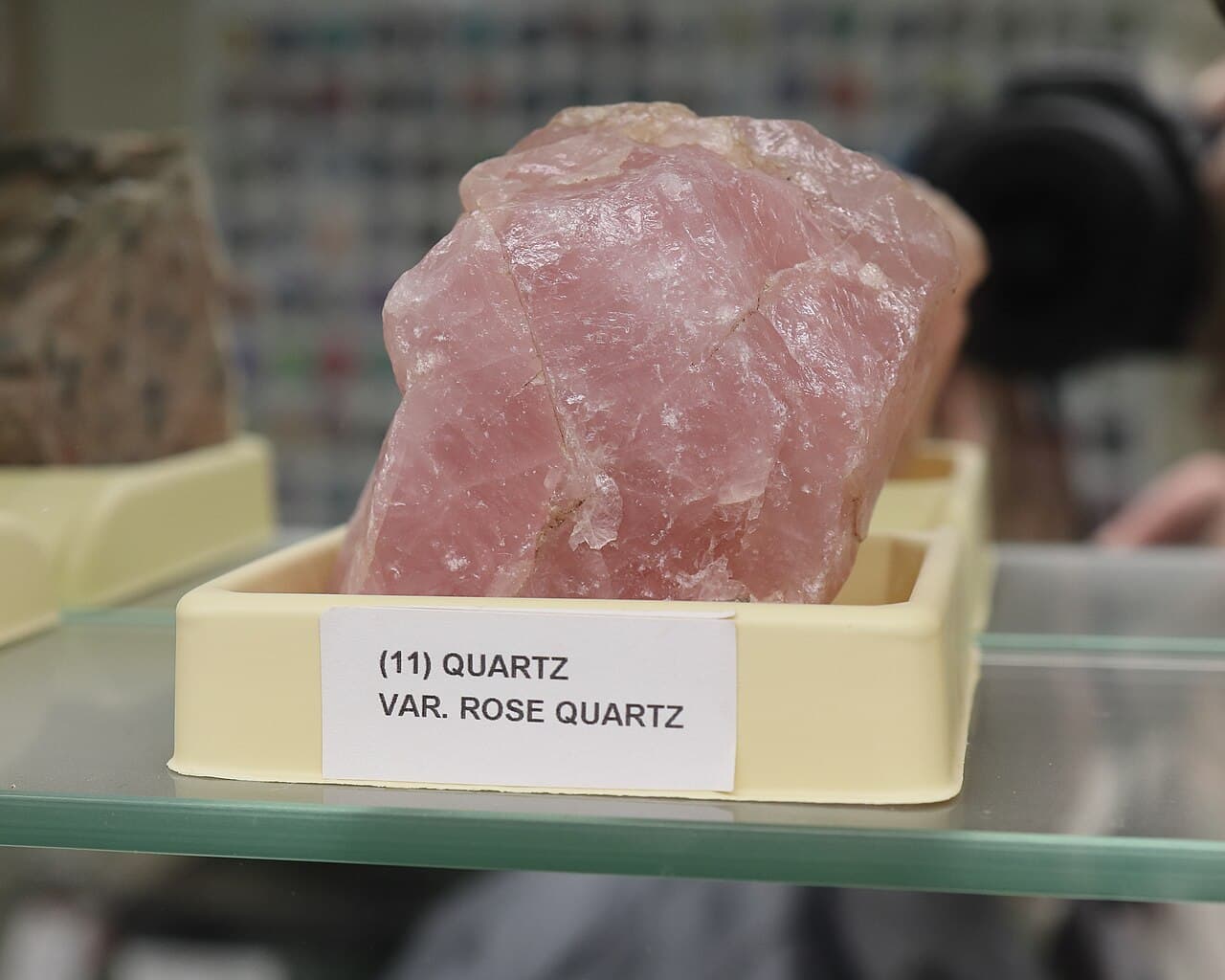
- Rose Quartz
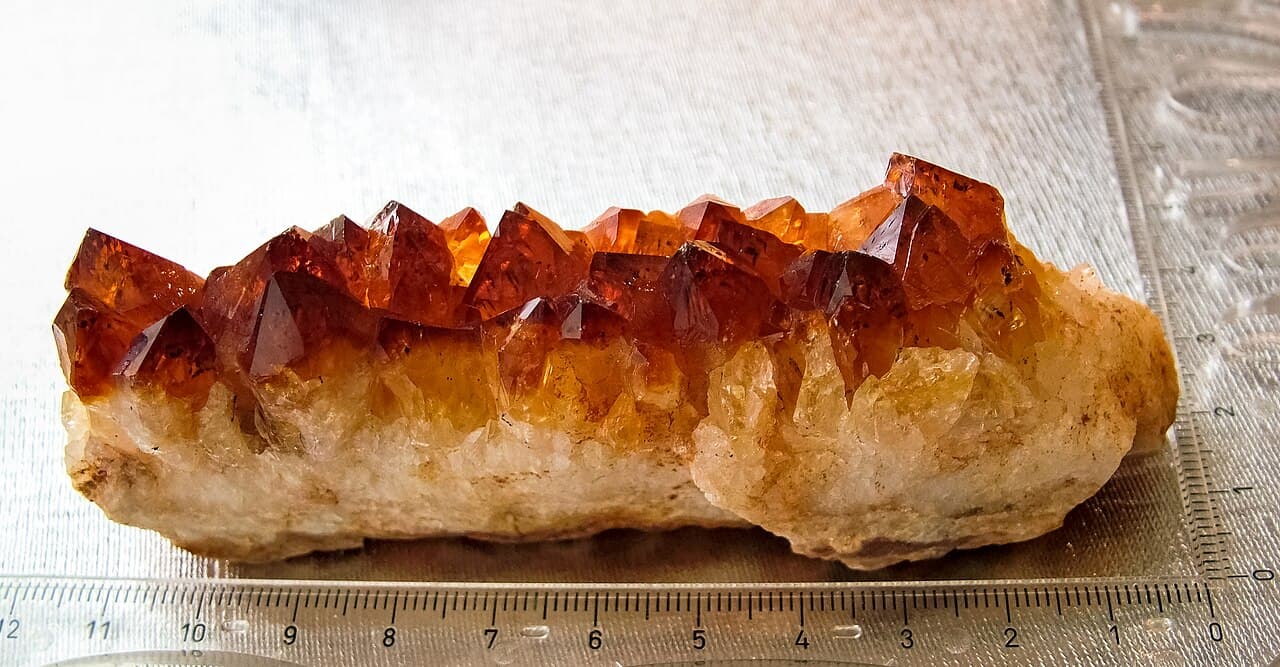
- Citrine
- Smoky Quartz
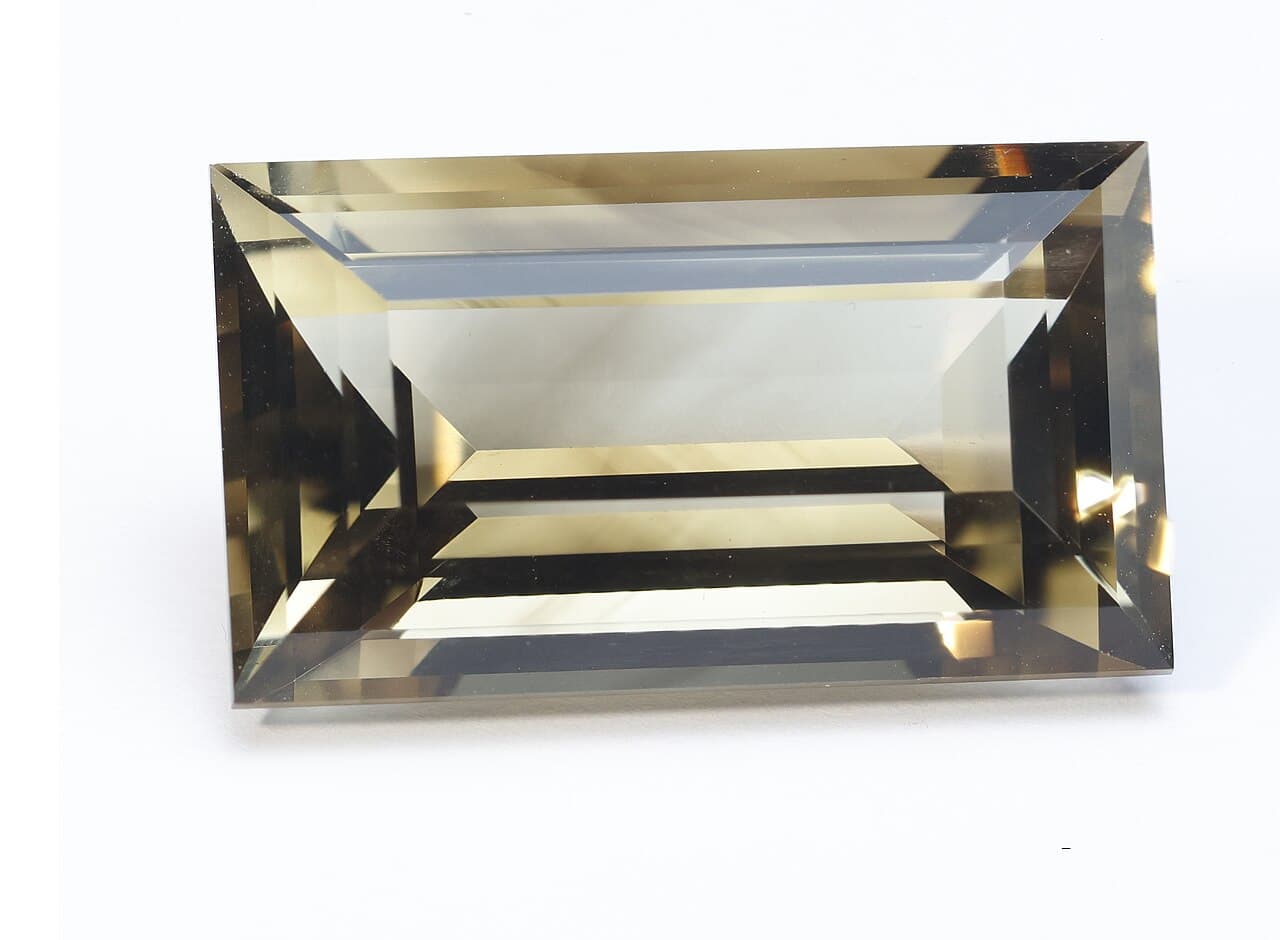
- Agate
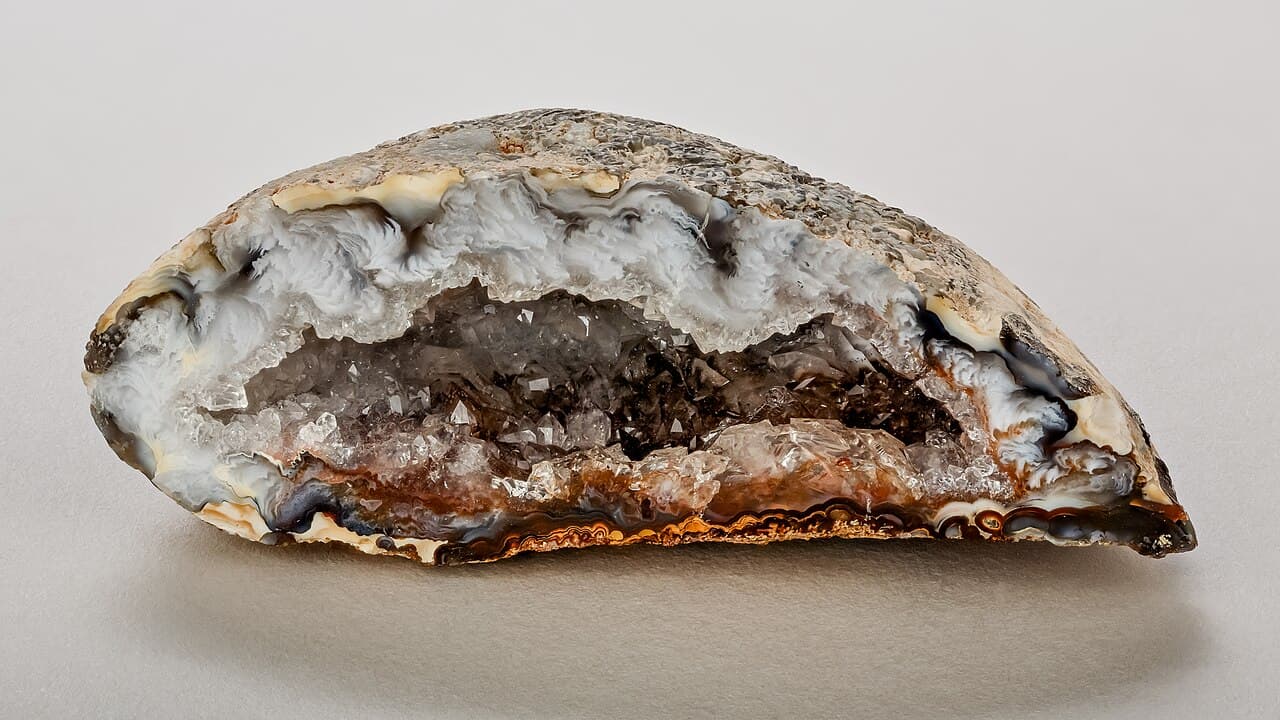
- Tiger's Eye

- Fluorite
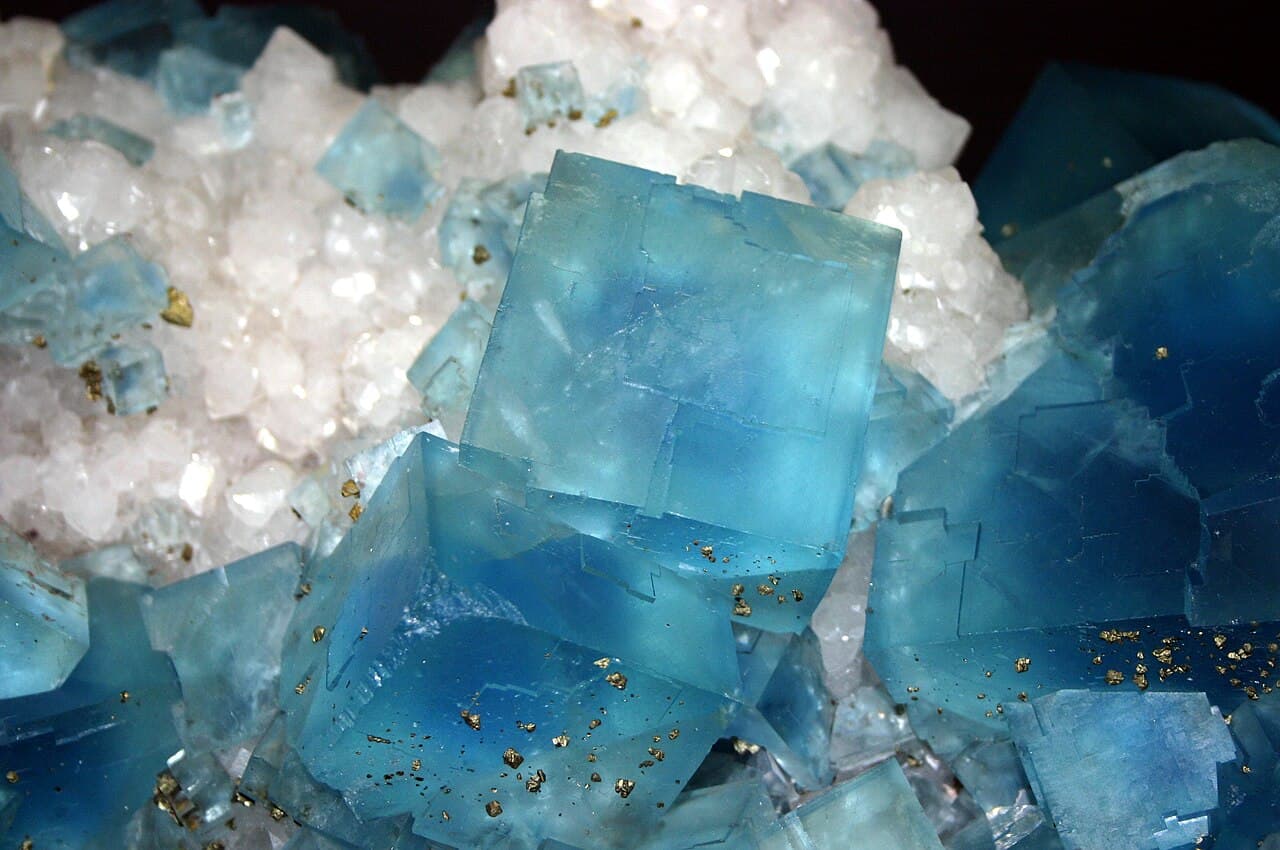
- Selenite
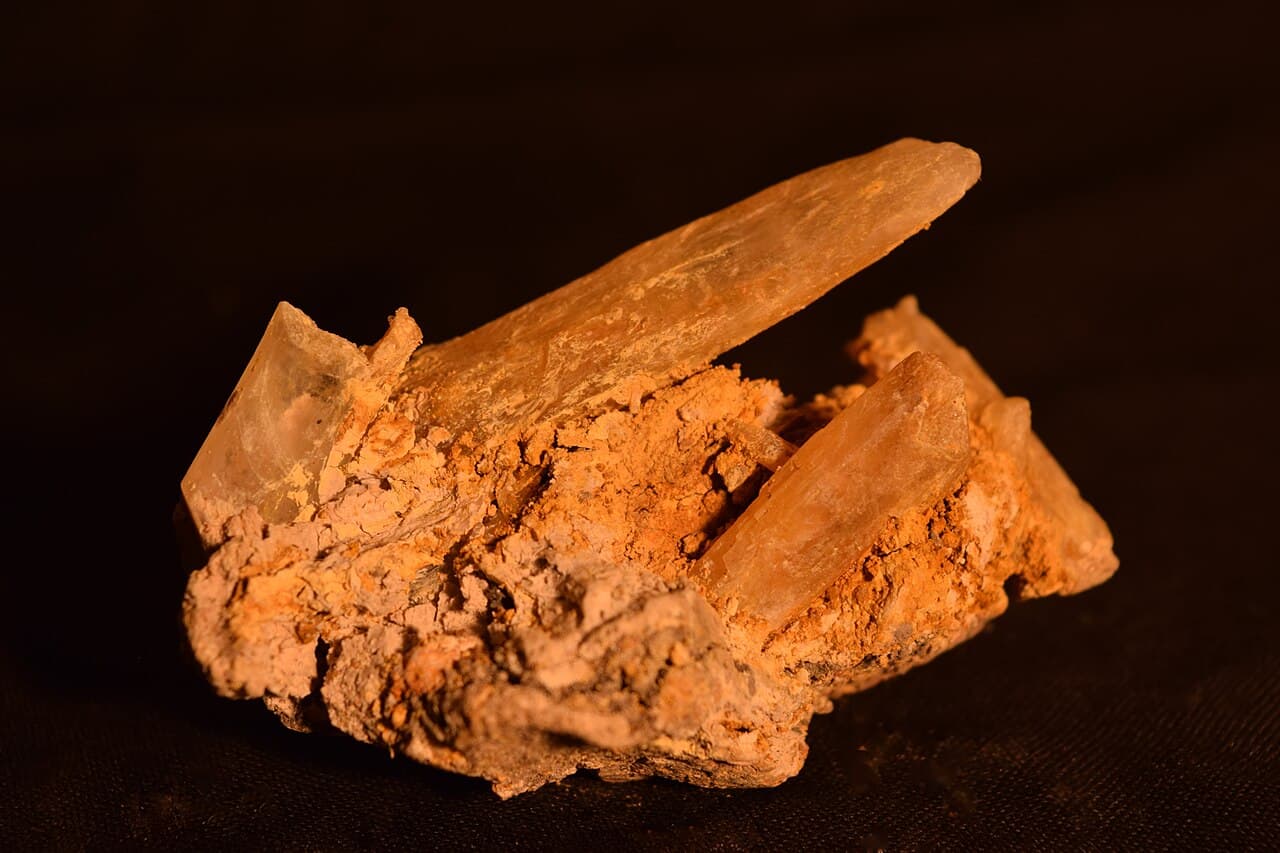
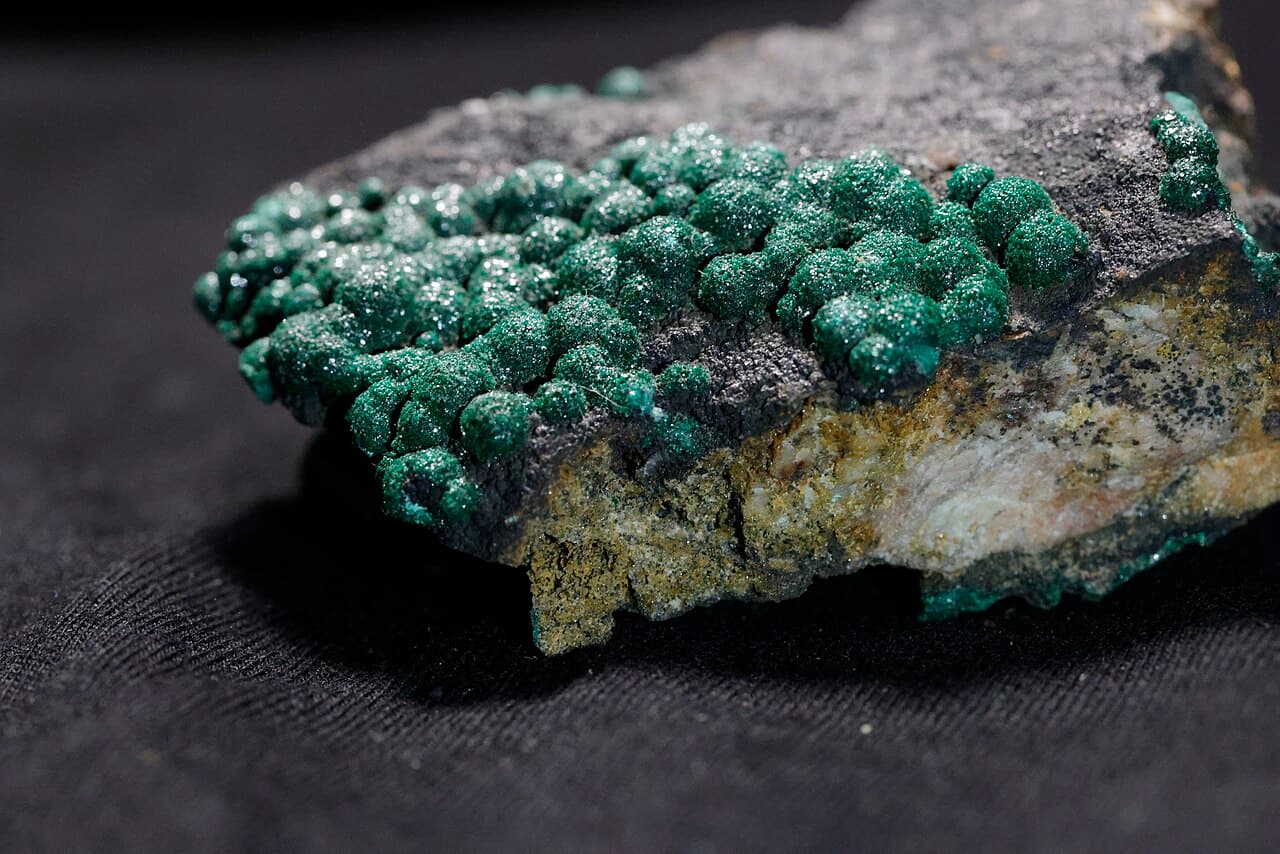
- Malachite
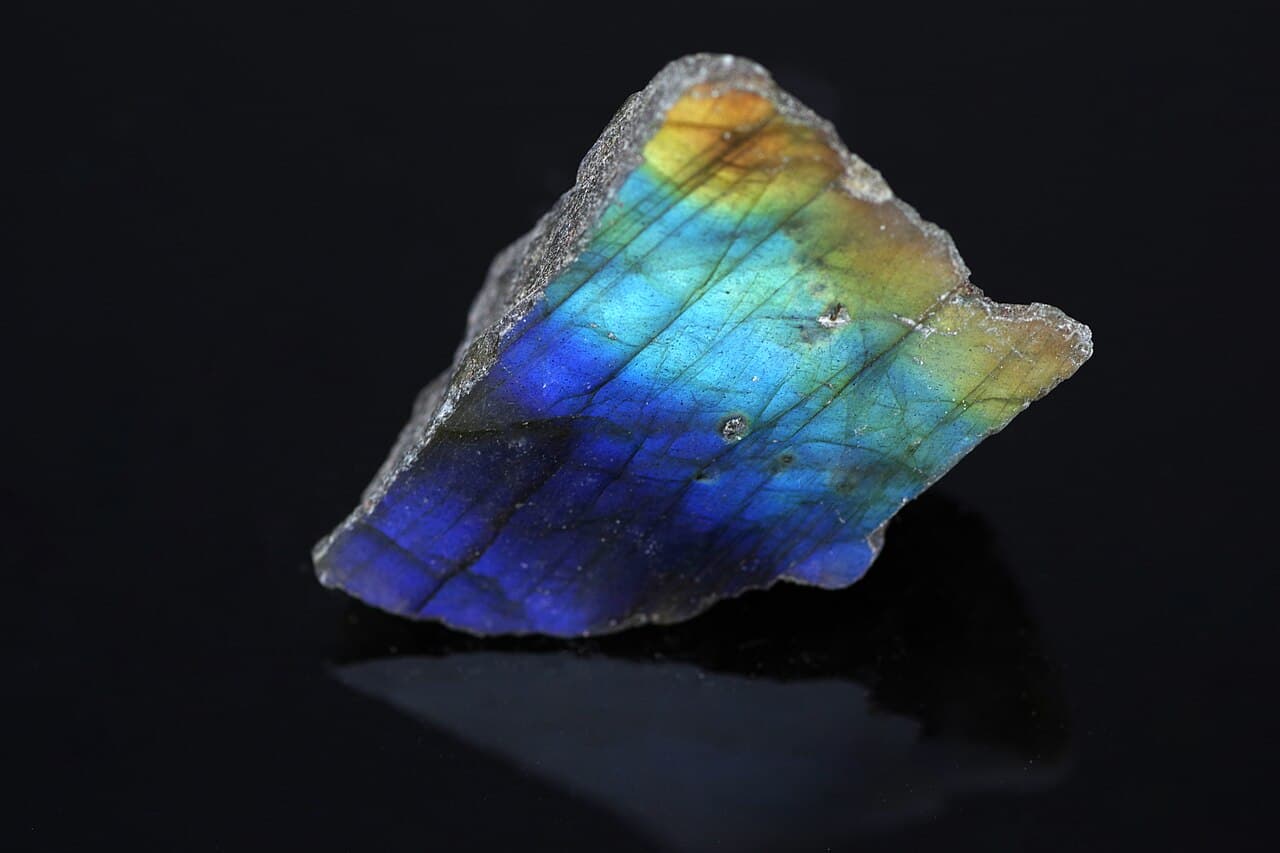
- Labradorite
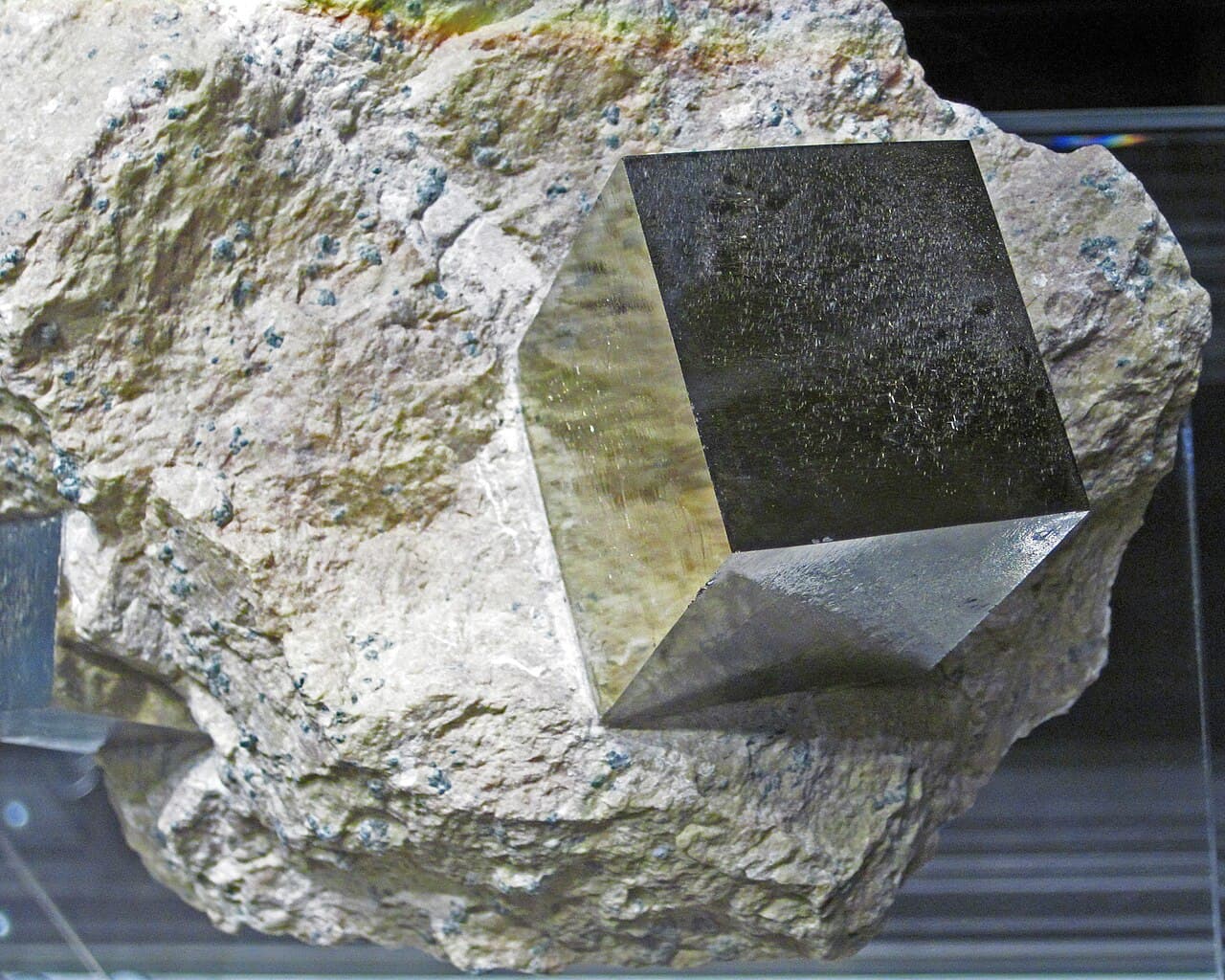
- Pyrite
| Crystal | What it is | Color | Hardness (Mohs) | Crystal system |
|---|---|---|---|---|
| Clear Quartz | Quartz with no color | Colorless, see-through | 7 | Trigonal |
| Amethyst | Purple quartz | Pale lilac to deep violet | 7 | Trigonal |
| Rose Quartz | Pink quartz | Pale to rosy pink, often cloudy | 7 | Trigonal |
| Citrine | Yellow to orange quartz | Lemon yellow to amber | 7 | Trigonal |
| Smoky Quartz | Brown to gray quartz | Gray-brown to almost black | 7 | Trigonal |
| Agate | Banded chalcedony (quartz with crystals too small to see) | Many colors, in bands | 6.5–7 | Trigonal |
| Tiger's Eye | Quartz with a silky moving band of light | Golden to brown | 7 | Trigonal |
| Fluorite | Halide mineral | Purple, green, blue or yellow, often banded | 4 | Cubic |
| Selenite | Crystal form of gypsum (a sulfate) | Colorless to white | 2 | Monoclinic |
| Malachite | Copper carbonate | Bright to dark green, banded | 3.5–4 | Monoclinic |
| Labradorite | Plagioclase feldspar | Gray to black with a blue, green or gold flash | 6–6.5 | Triclinic |
| Pyrite | Iron sulfide | Pale brass yellow | 6–6.5 | Cubic |
Hardness uses the Mohs scale, from 1 (softest) to 10 (hardest). A steel knife is about 5.5. It scratches fluorite, selenite and malachite, but not quartz.
Crystals by mineral family
The quartz family
Quartz (silicon dioxide) is the most common crystal-forming mineral on Earth. So most of the best-known “crystals” are kinds of quartz. Some get their color from trace elements. Others are built from quartz fibers too small to see (chalcedony).
The feldspar group
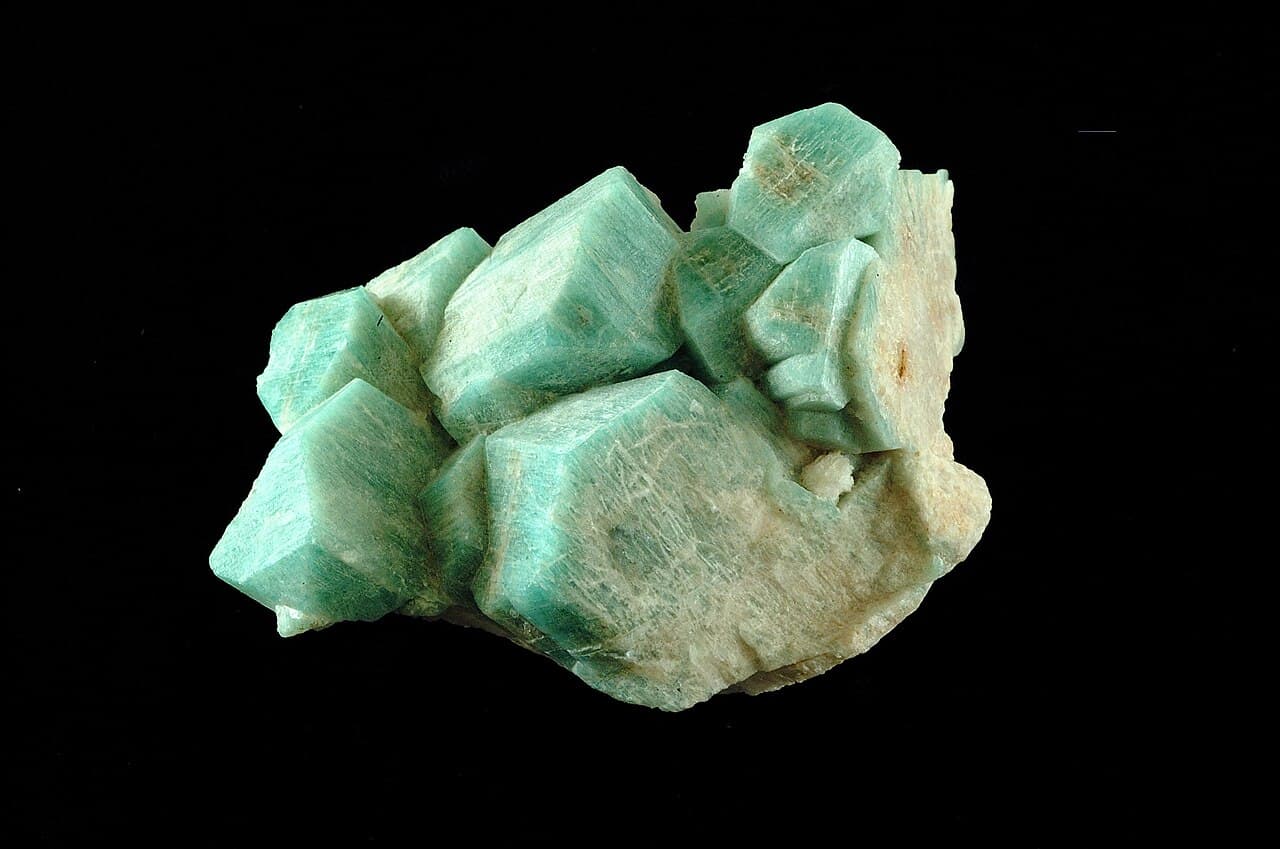
Feldspars are the most abundant minerals in the Earth’s crust. Their crystal varieties are prized for optical effects — labradorite’s blue flash, amazonite’s blue-green color.
The beryl group
Beryl is a beryllium silicate whose gem varieties are told apart mainly by color — blue aquamarine, green emerald, pink morganite.
The 7 crystal systems
This is what a scientist means by “types of crystals”. Atoms inside a crystal sit in a pattern that repeats. A crystal system names the shape of that pattern. The pattern limits the shapes the crystal can grow in. Some books count trigonal and hexagonal as one family. That makes 6.
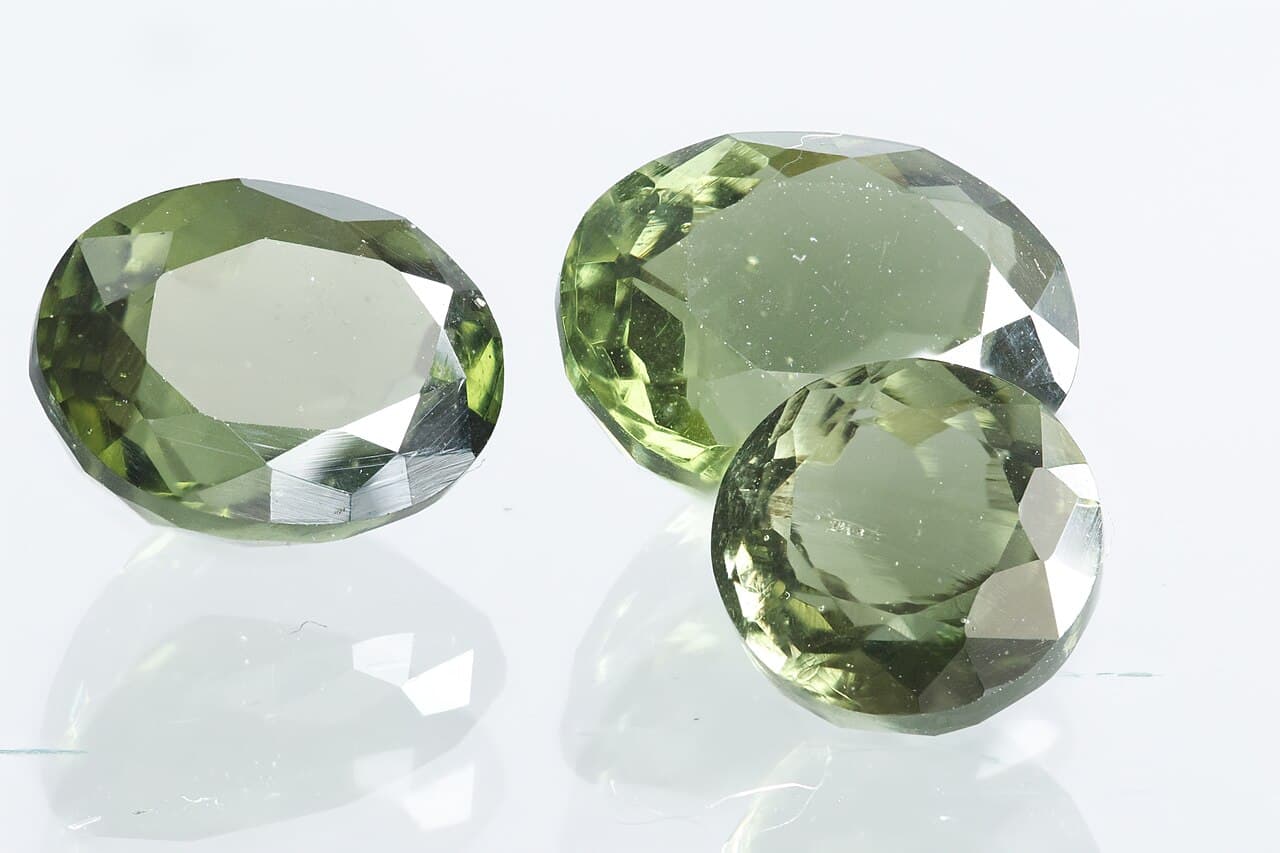
Not every stone sold as a crystal is one. Moldavite, Opal, Shungite and Tektite have no crystal structure at all. Their atoms sit in no repeating pattern, as in glass. So they belong to none of the 7 systems.
Crystals by color
Color is the first thing most people notice. Browse by the most common crystal colors:
Crystals by purpose
Many people choose crystals by the intention they're traditionally linked with:
Crystal shapes & formations
“Type” can also mean the form a crystal takes. The most common you'll see for sale:
- Raw / rough: natural, uncut specimens straight from the ground.
- Tumbled: small stones polished smooth in a rotating barrel.
- Points & towers: crystals cut or grown to a single terminated tip.
- Clusters & geodes: many crystals grown together, often in a rock cavity.
List of crystals and their names (A–Z)
All 100 crystals, gems and minerals in our field guide, from A to Z. Each photo shows a real specimen. Tap a name for the full page: how to tell that crystal apart, its properties and its look-alikes.
- AgateHardness 6.5–7
- AlexandriteHardness 8.5
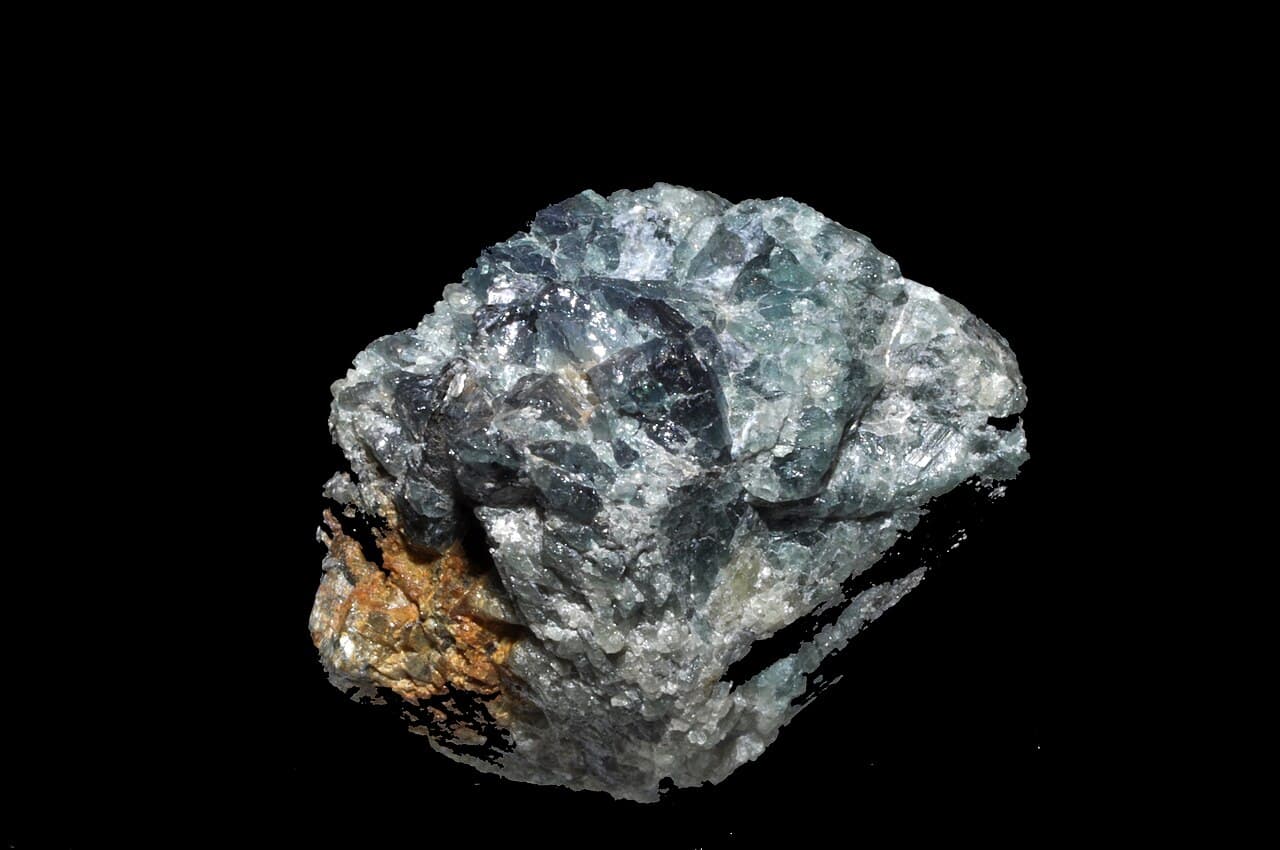
- AmazoniteHardness 6–6.5
- AmethystHardness 7
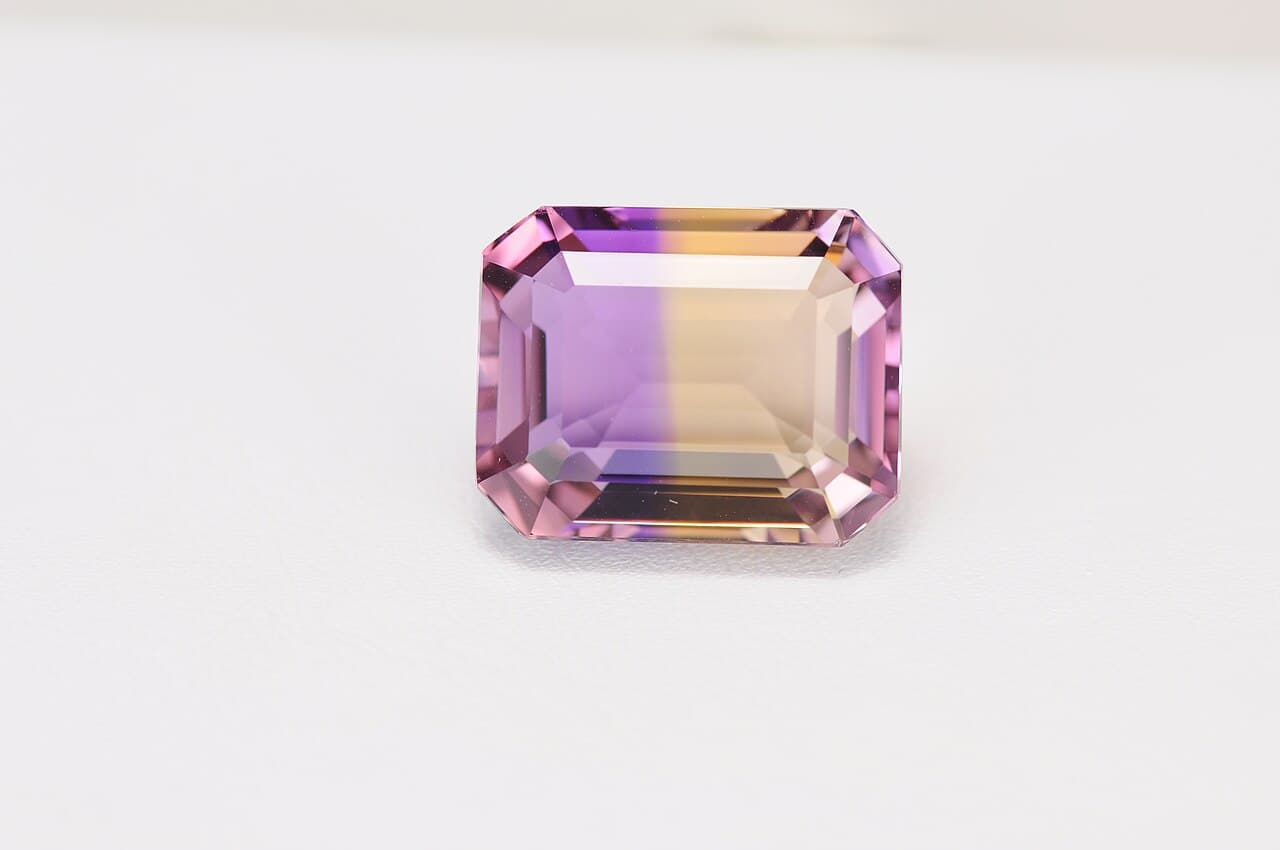
- AmetrineHardness 7
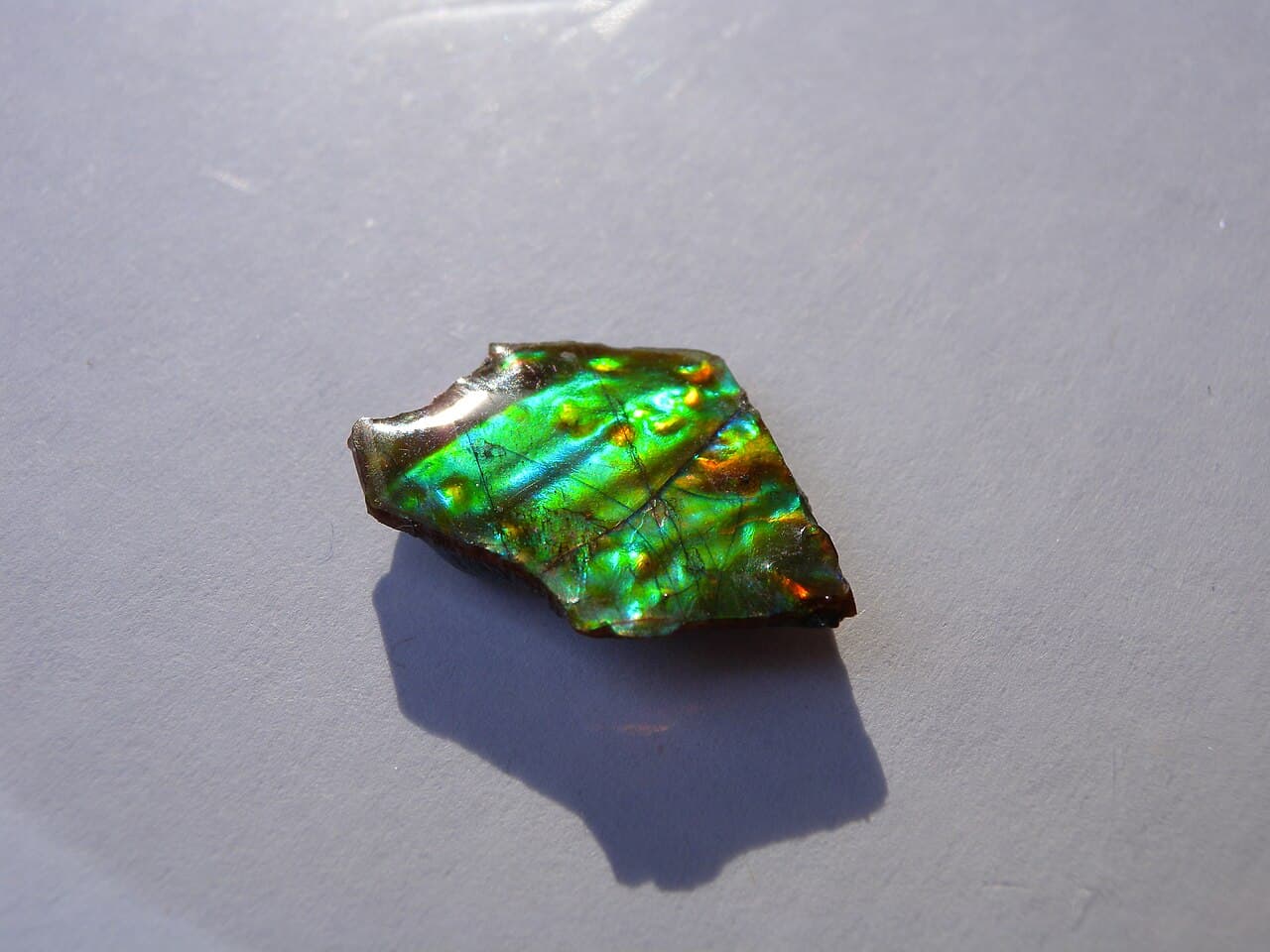
- Ammolite
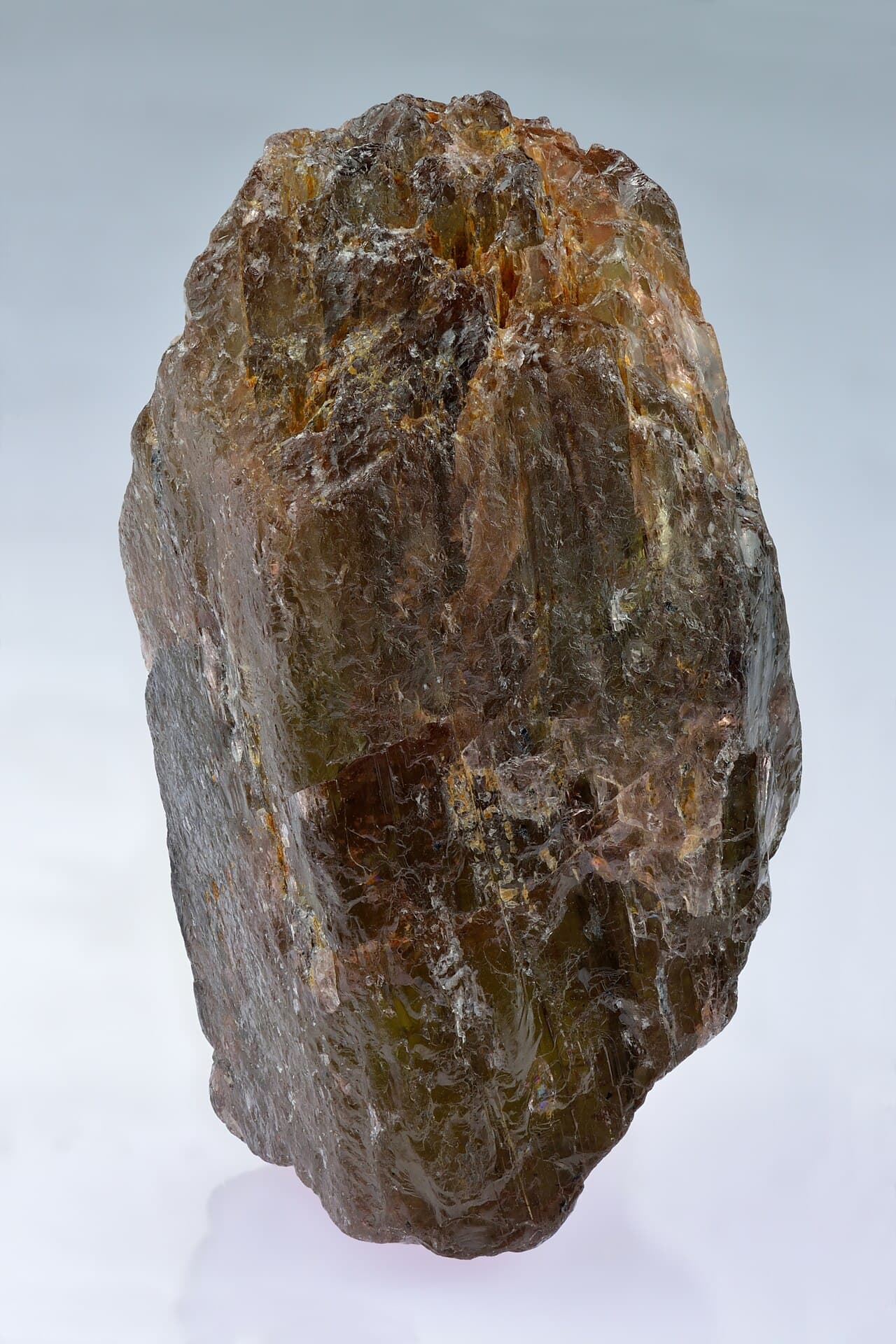
- AndalusiteHardness 7–7.5
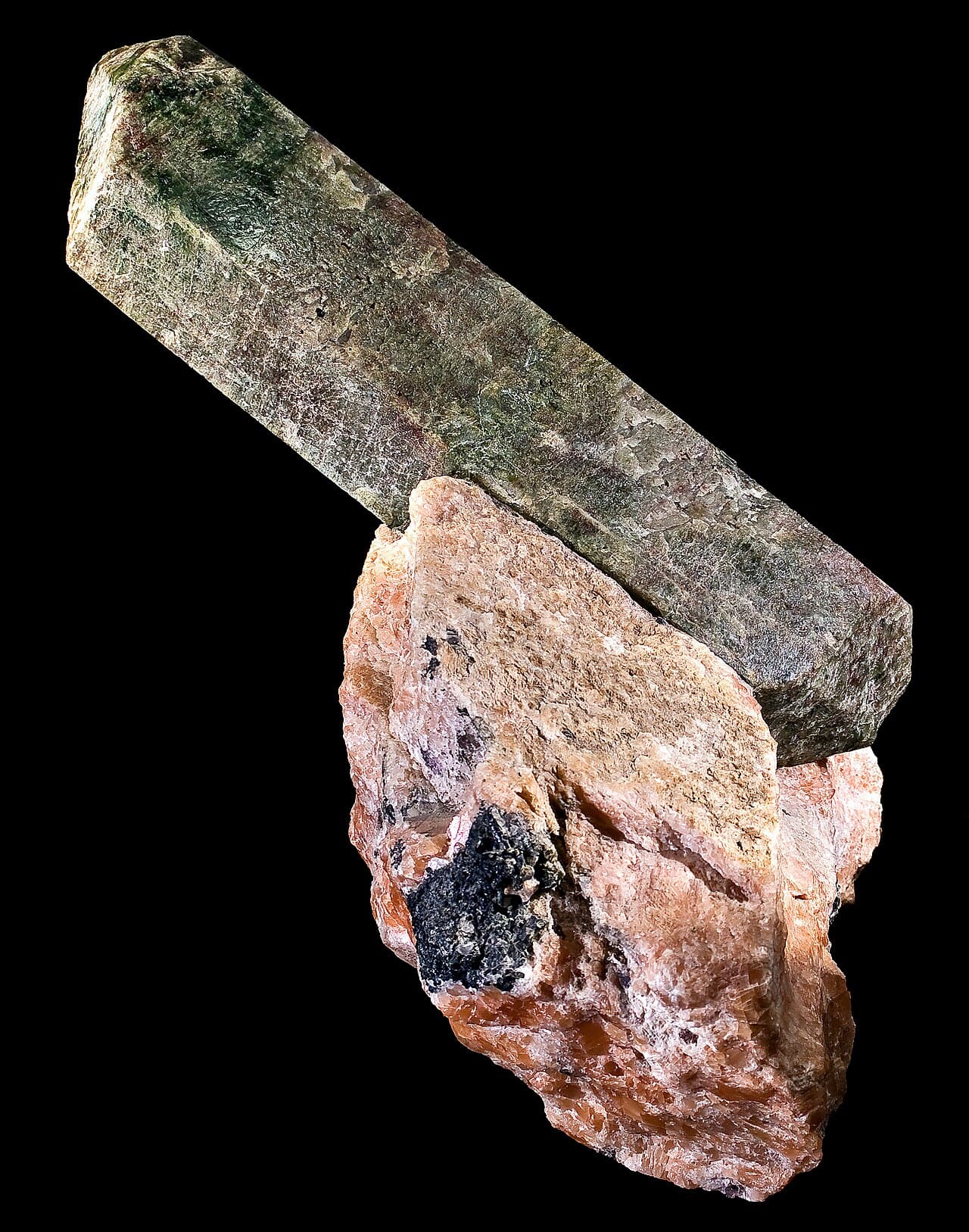
- ApatiteHardness 5
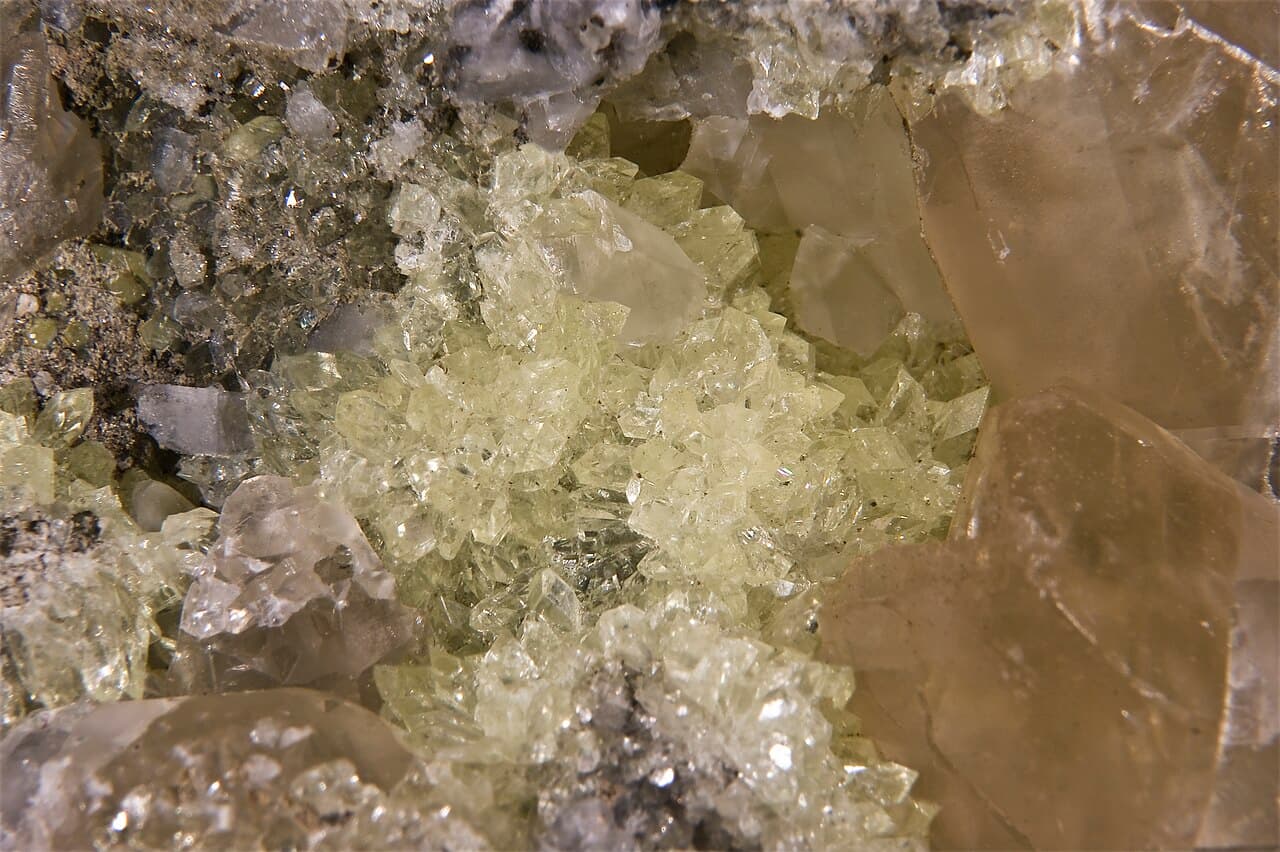
- ApophylliteHardness 4.5–5
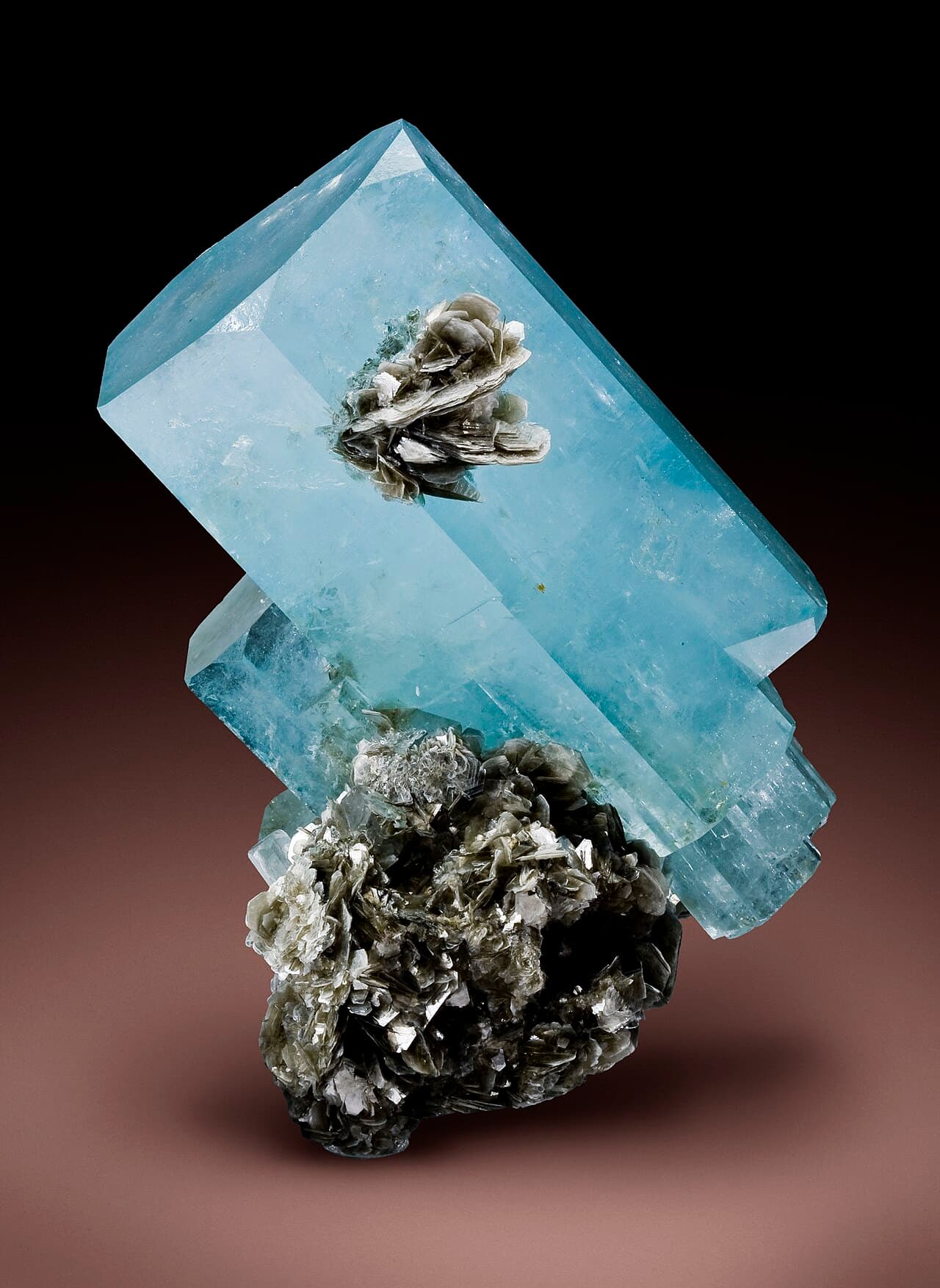
- AquamarineHardness 7.5–8
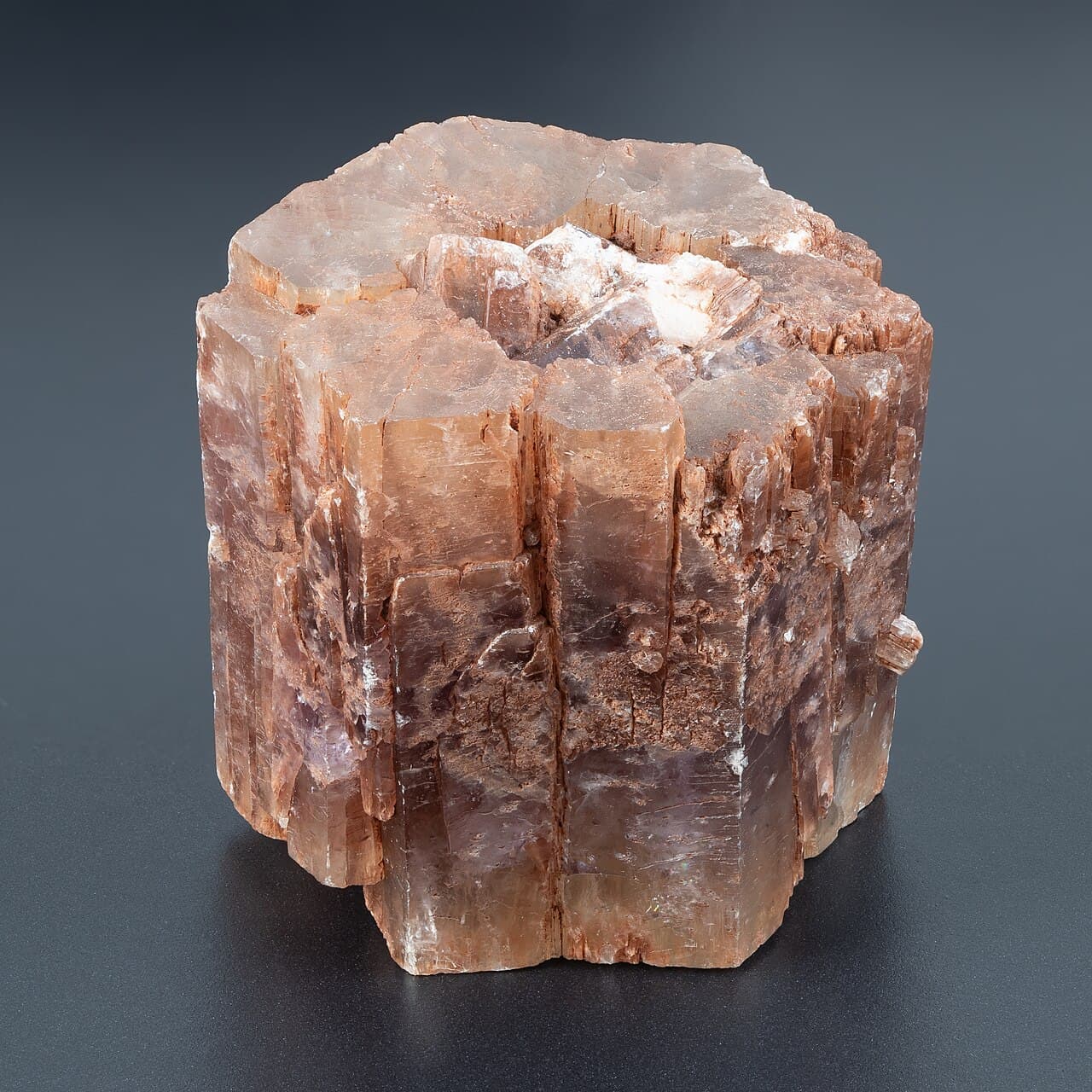
- AragoniteHardness 3.5 to 4
- AventurineHardness 7
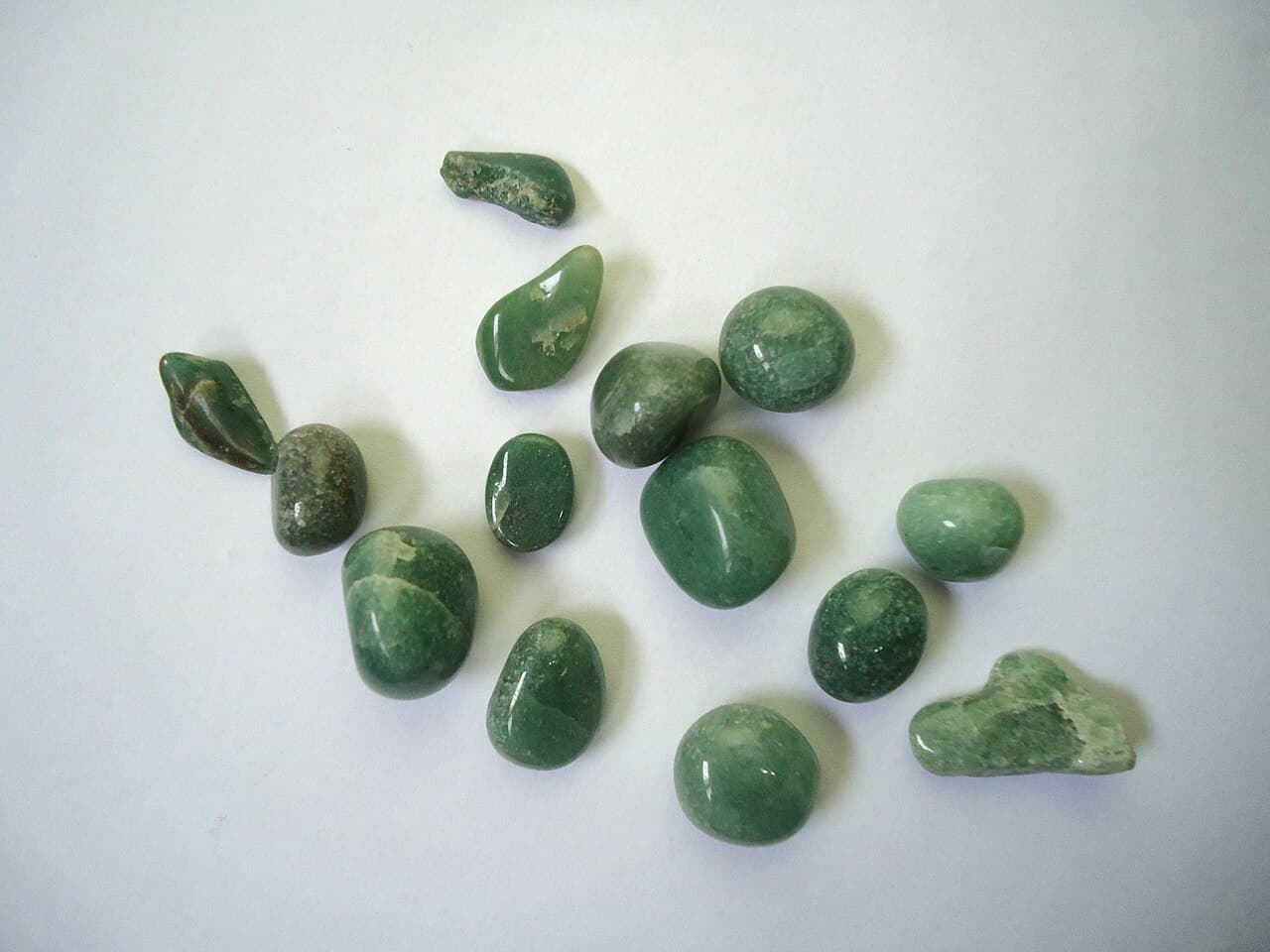
- AzuriteHardness 3.5 to 4

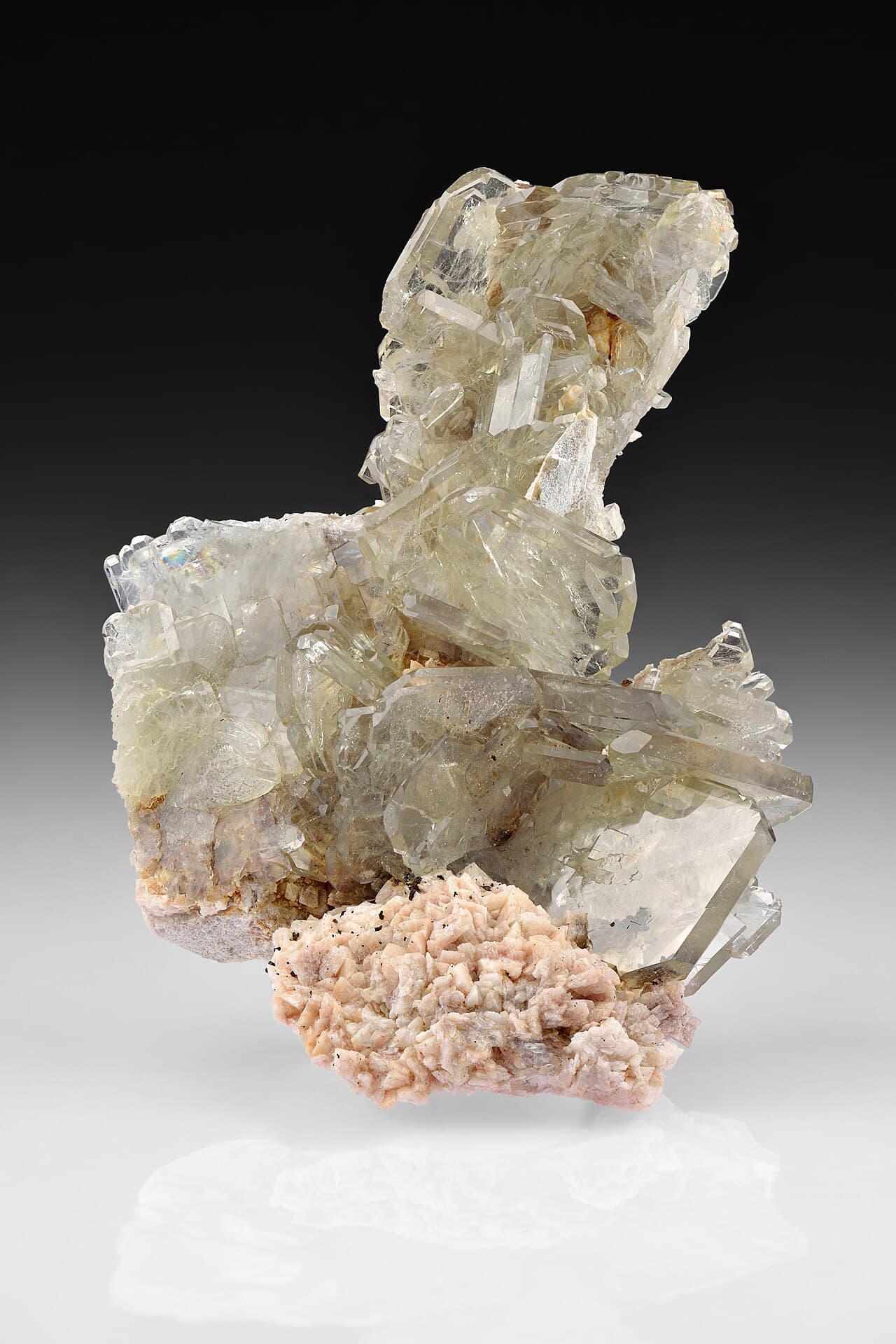
- BariteHardness 3–3.5
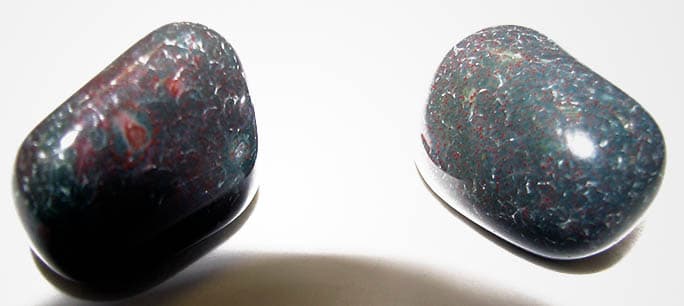
- BloodstoneHardness 6.5–7
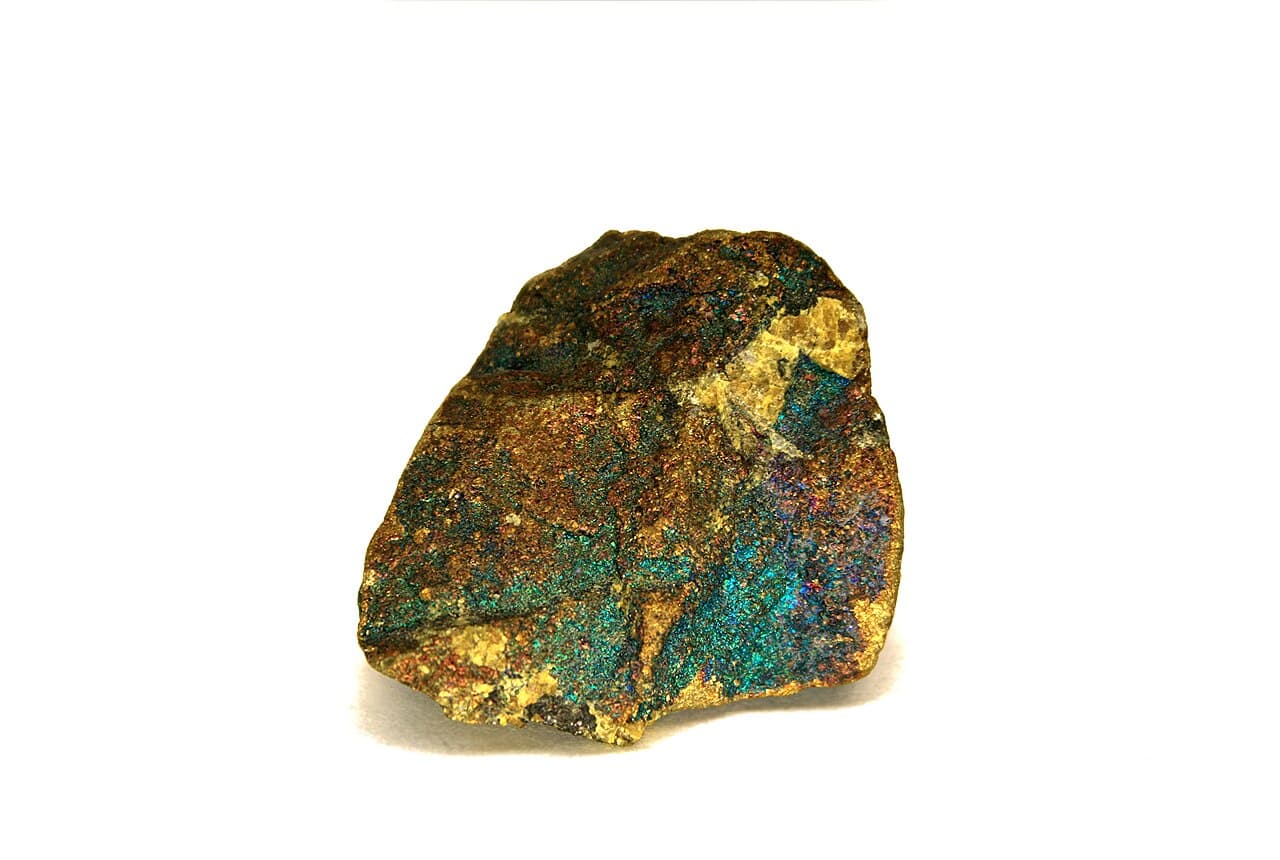
- BorniteHardness 3
- CalciteHardness 3
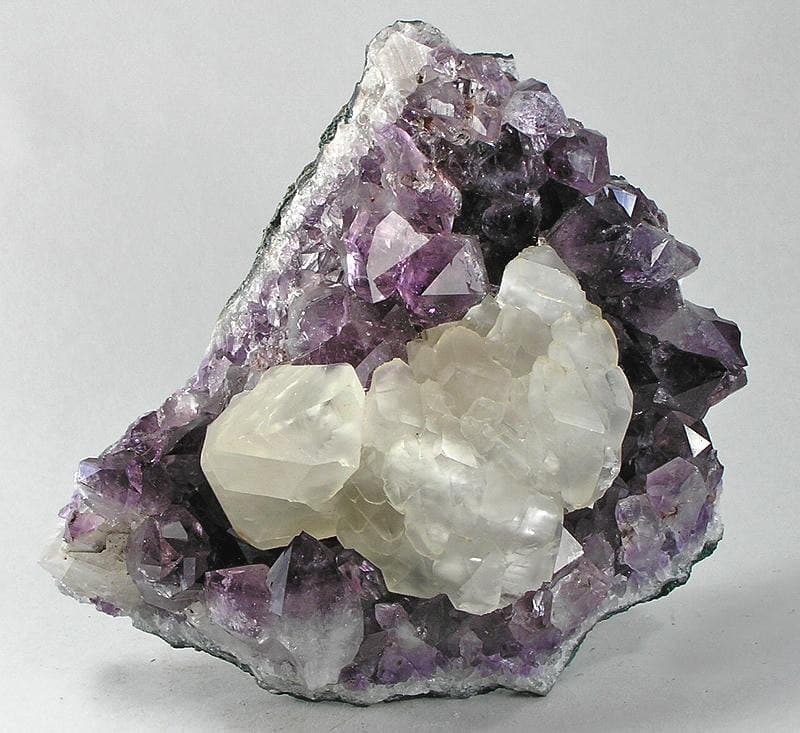
- CarnelianHardness 6.5–7

- CavansiteHardness 3 to 4

- CelestiteHardness 3–3.5

- ChalcedonyHardness 6.5–7
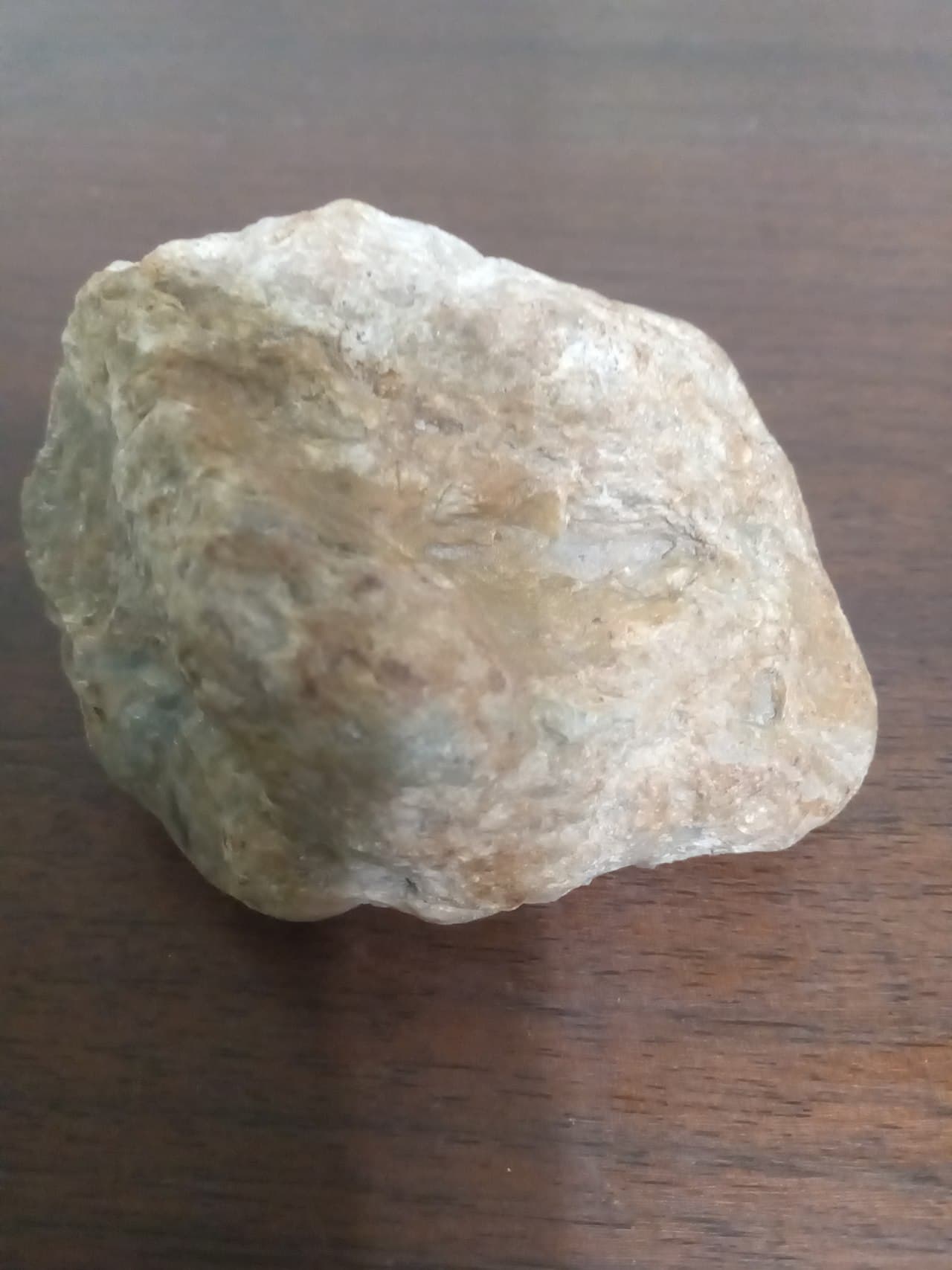
- CharoiteHardness 5–6
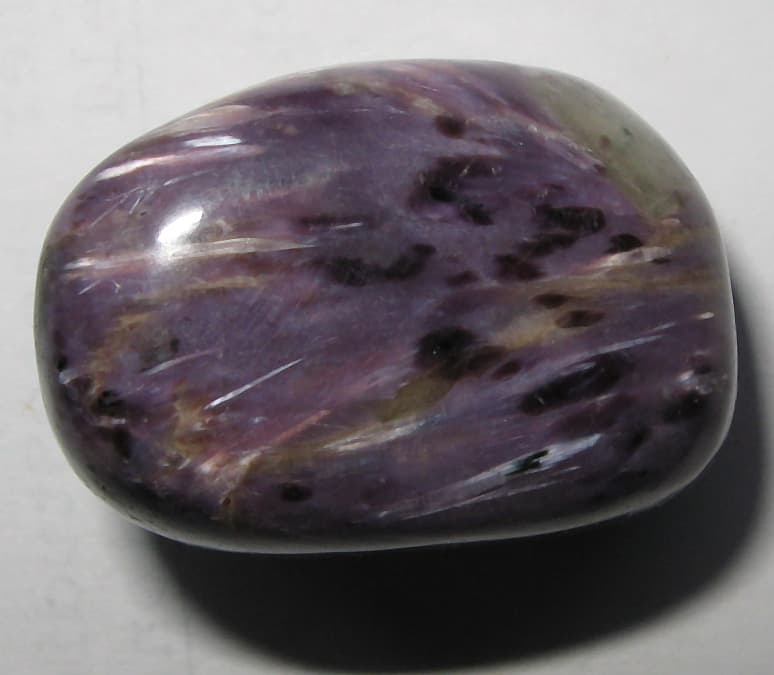
- ChrysoberylHardness 8.5
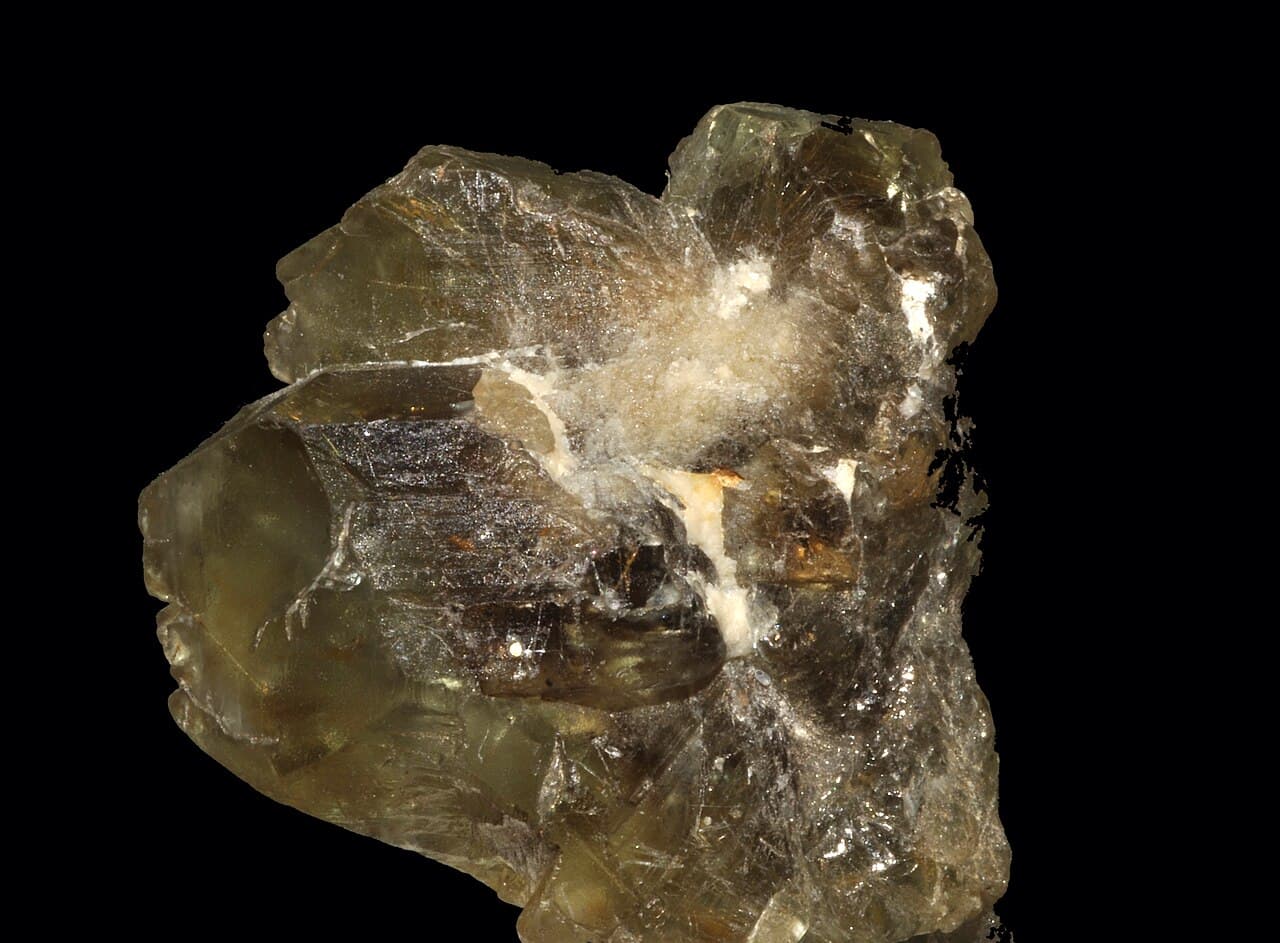
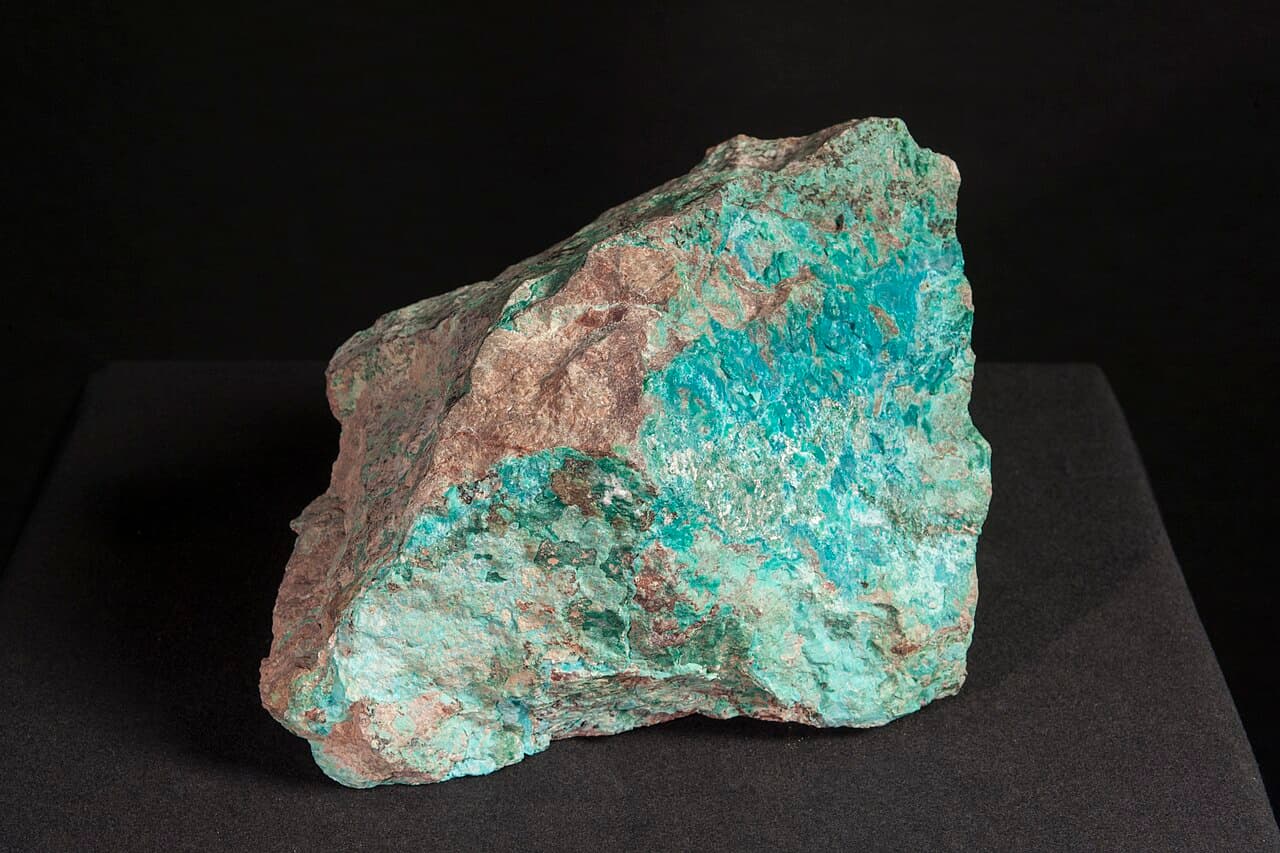
- Chrysocolla
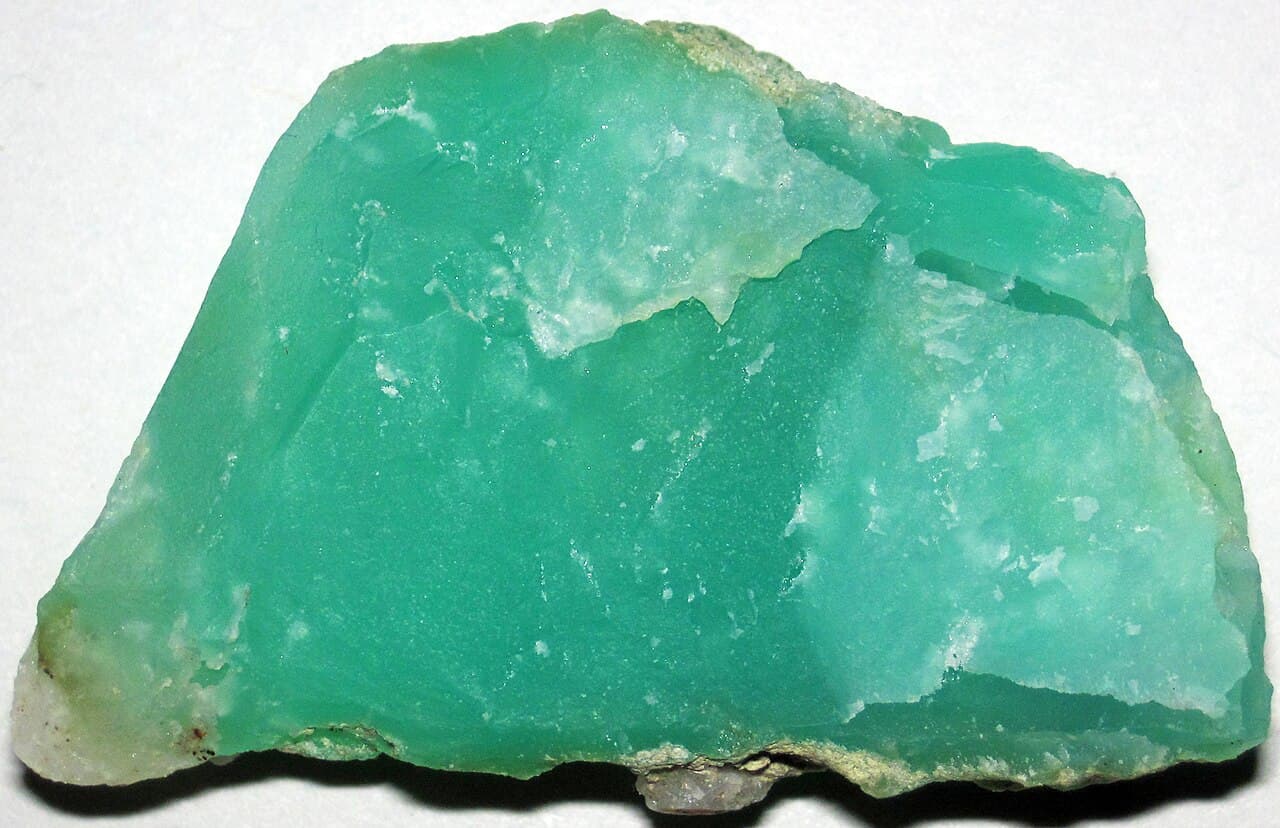
- ChrysopraseHardness 6.5–7
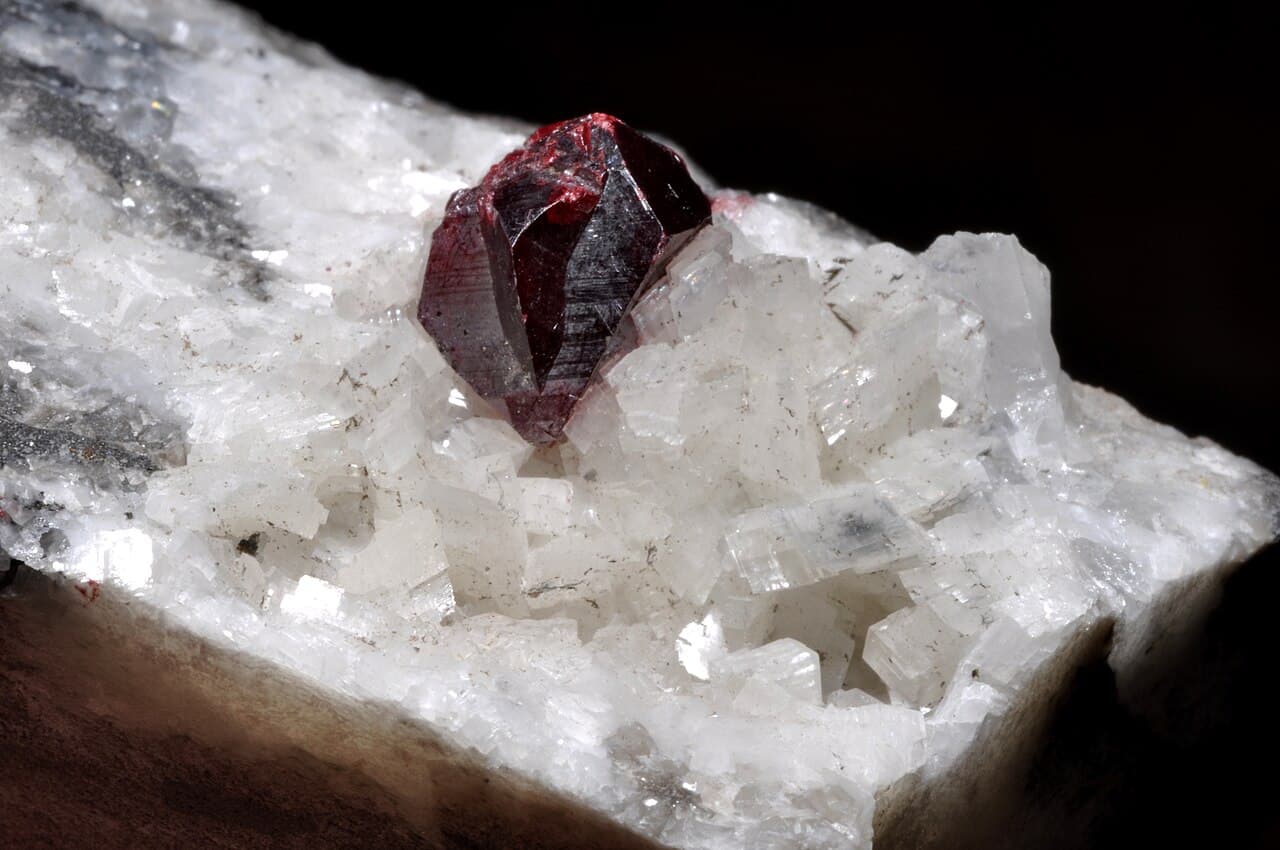
- CinnabarHardness 2 to 2.5
- CitrineHardness 7
- Clear QuartzHardness 7
- DanburiteHardness 7–7.5

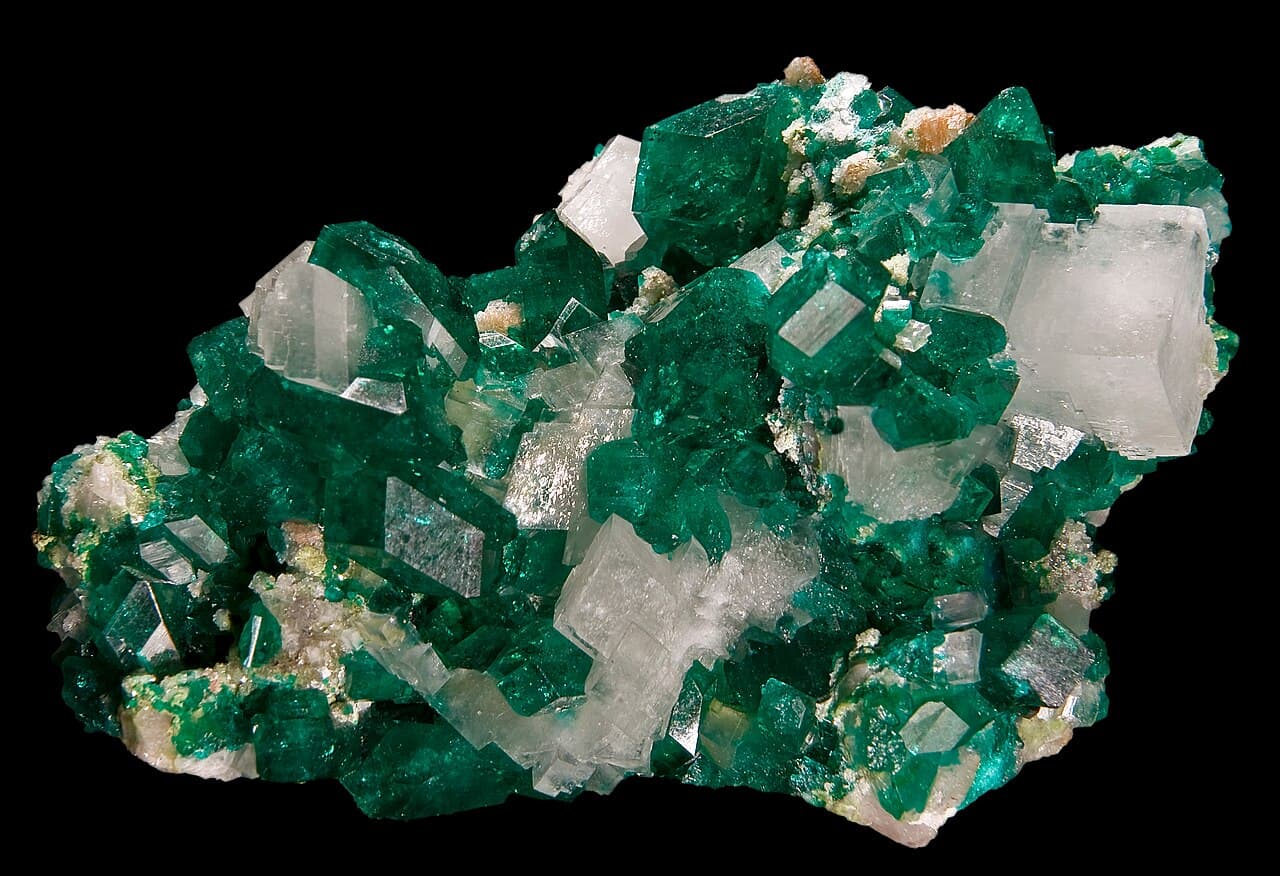
- DioptaseHardness 5
- DolomiteHardness 3.5 to 4
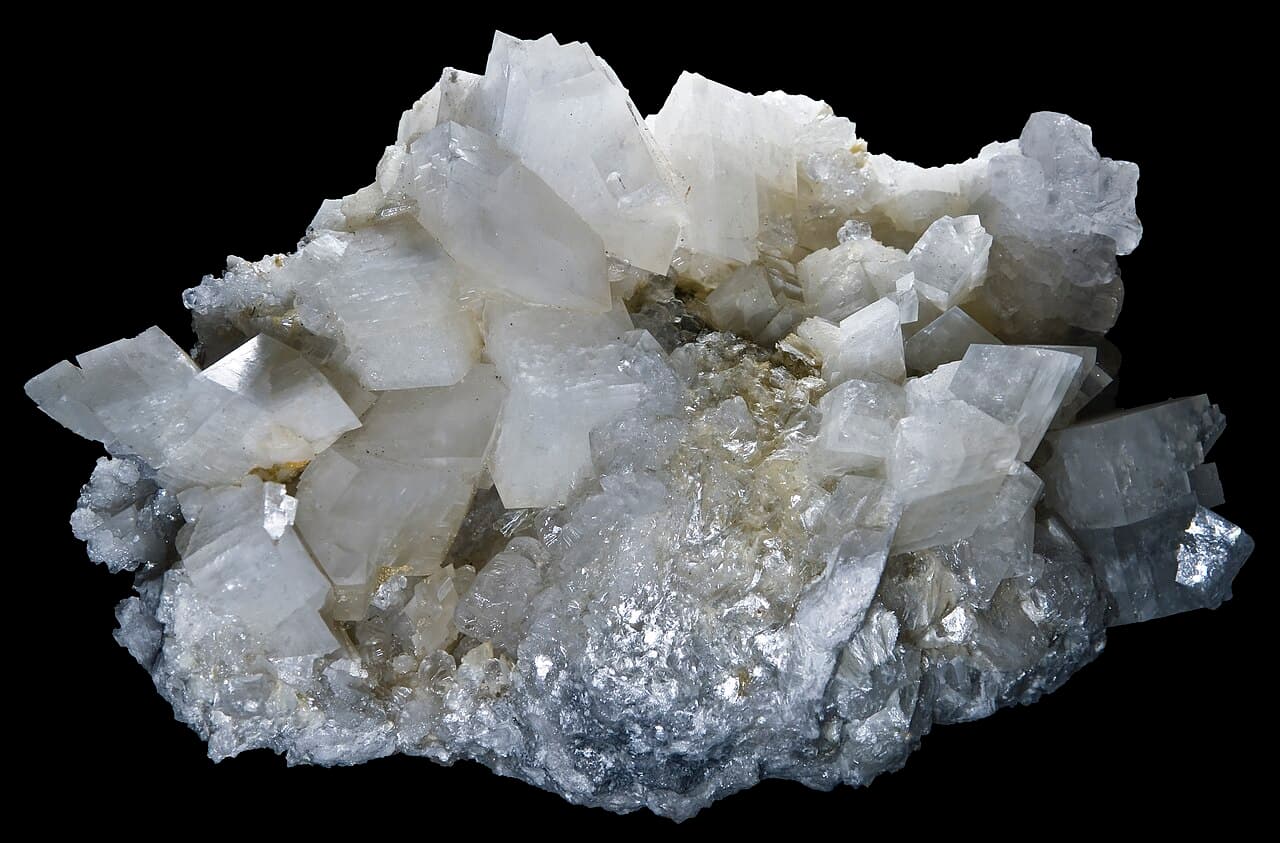
- DumortieriteHardness 7 to 8.5
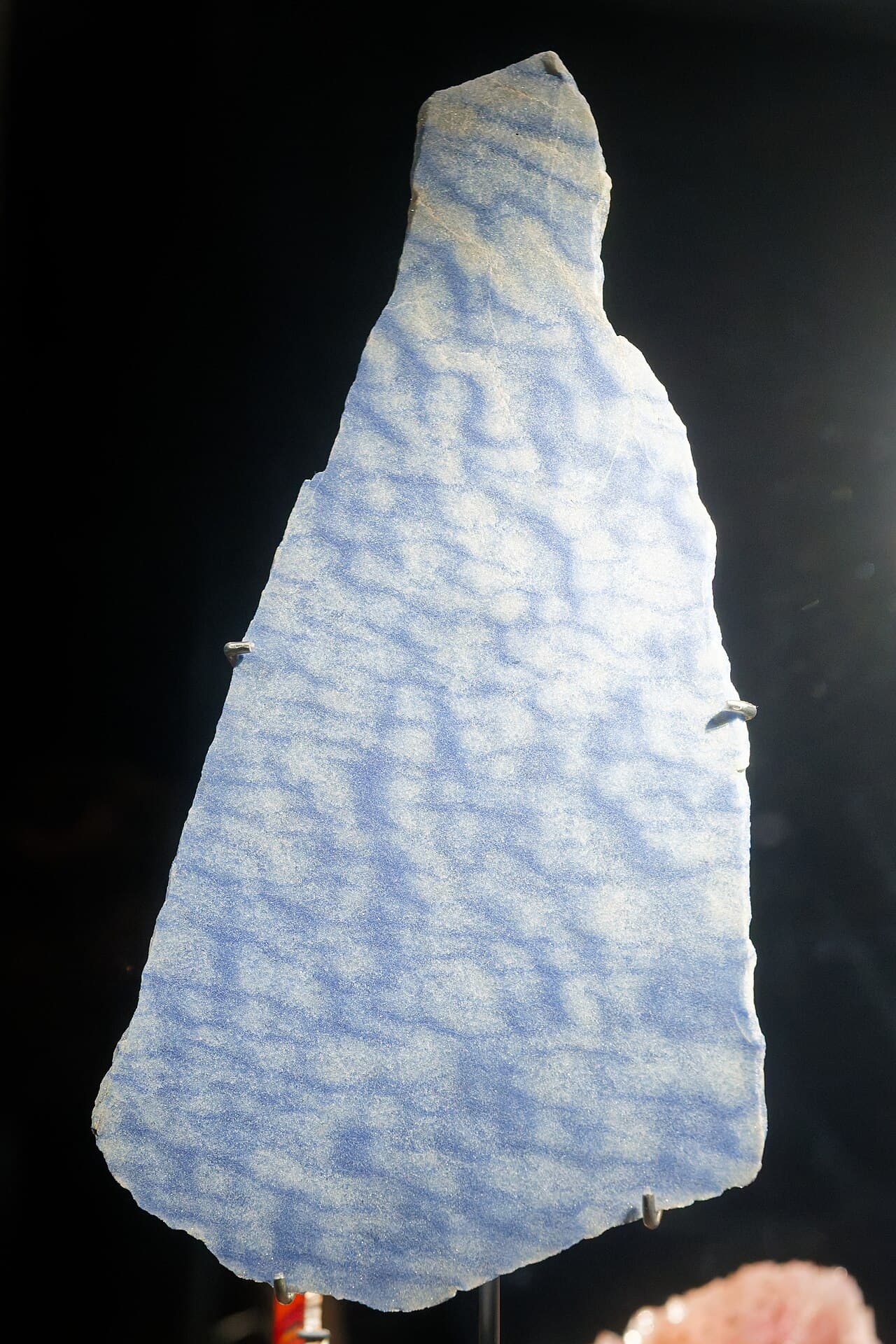
- EpidoteHardness 6 to 7
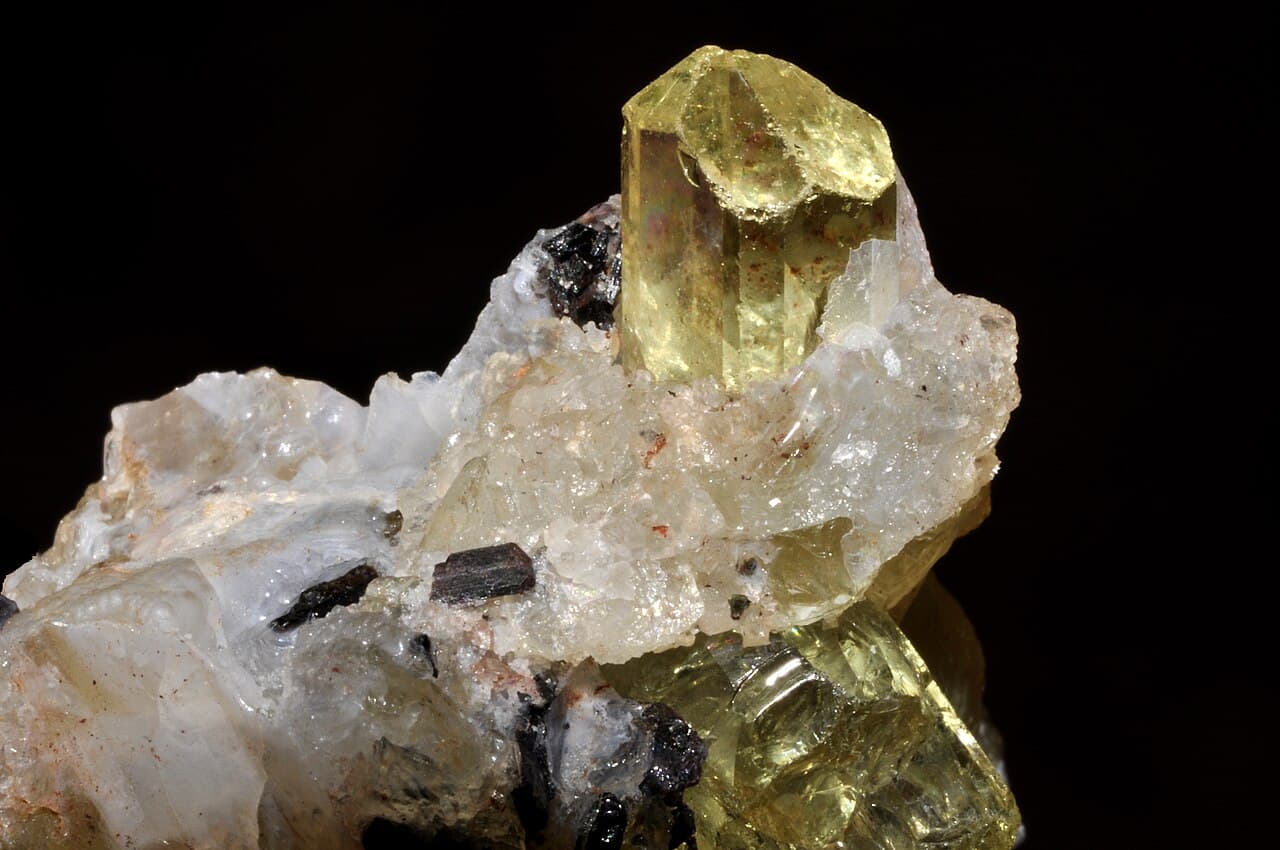
- FluoriteHardness 4
- GarnetHardness 6.5–7.5
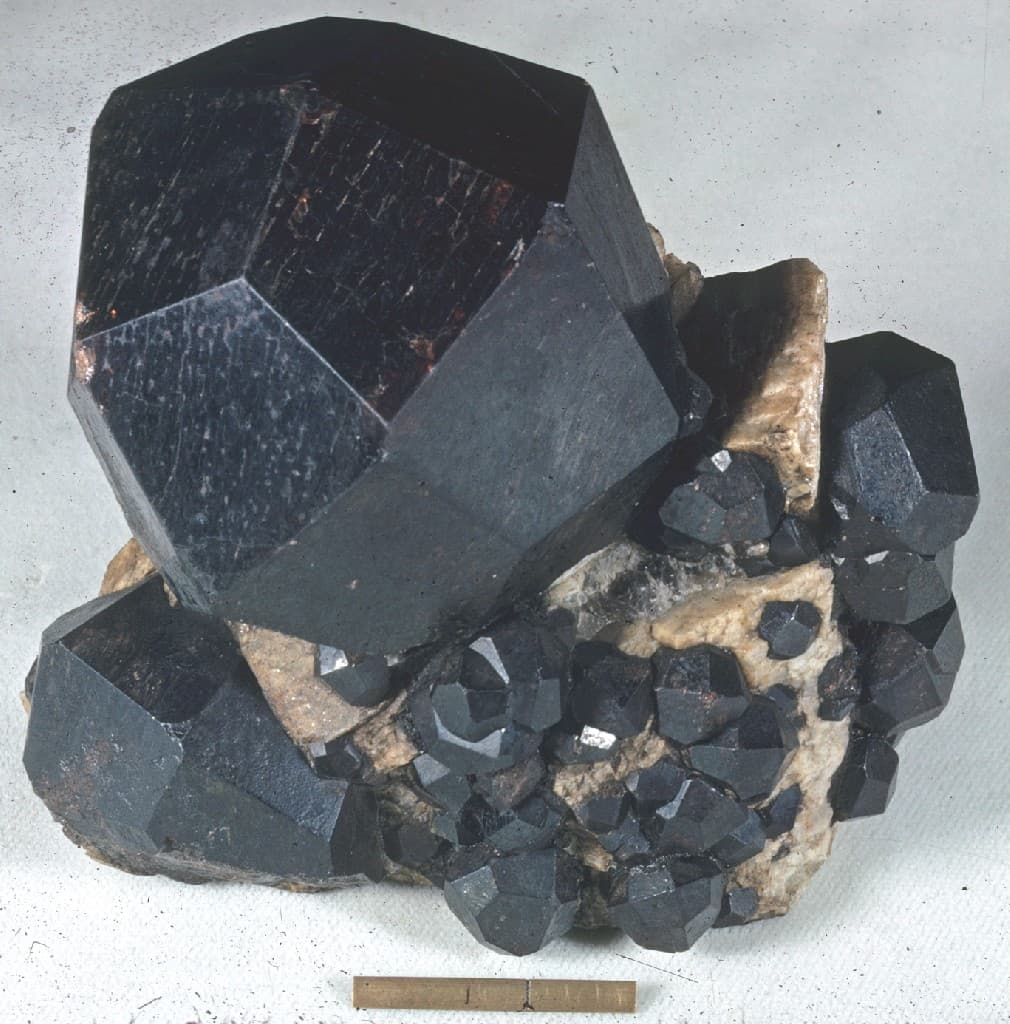
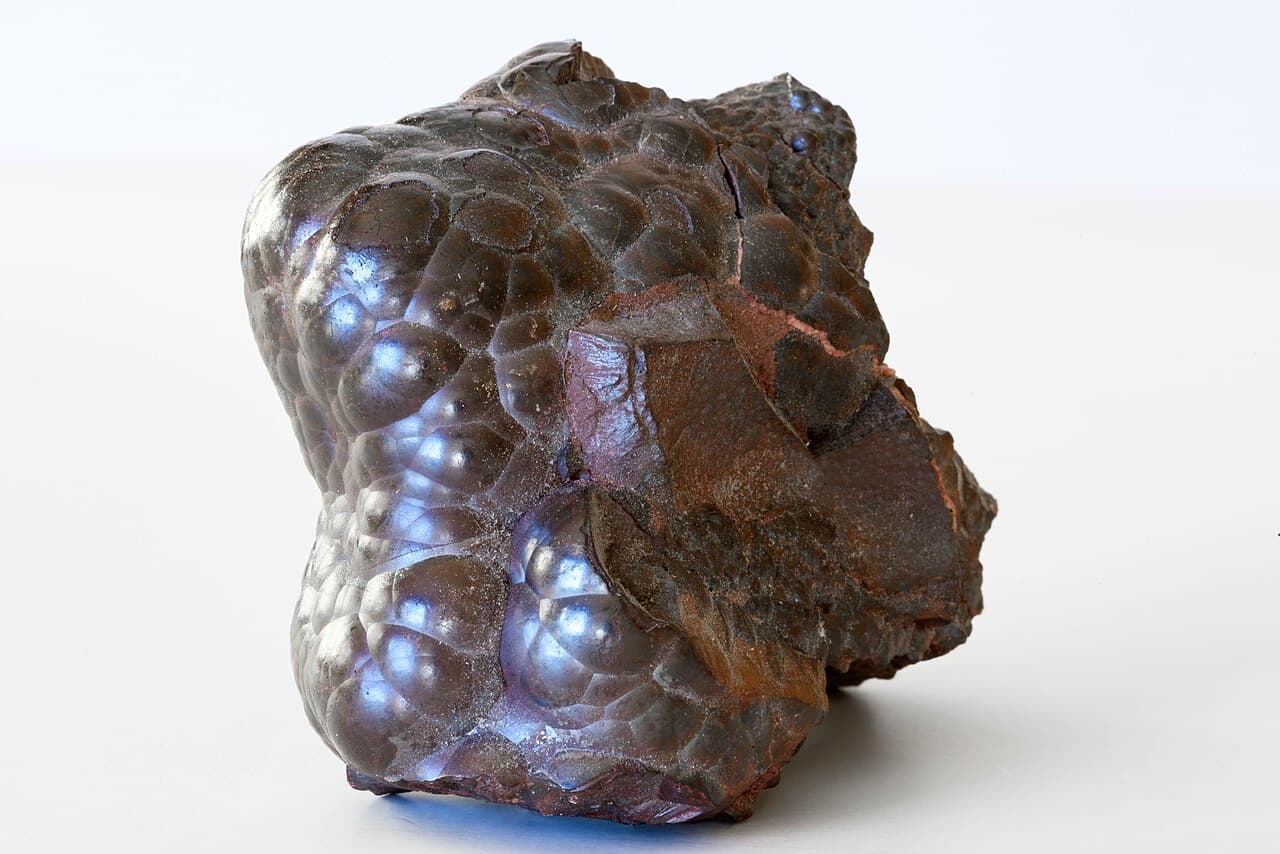
- HematiteHardness 5–6.5
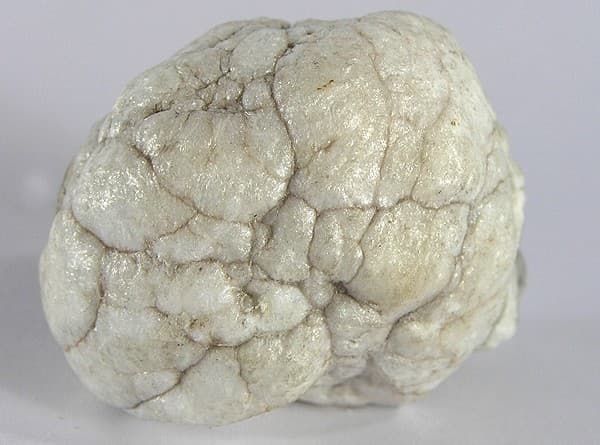
- HemimorphiteHardness 4.5–5

- HowliteHardness 3.5
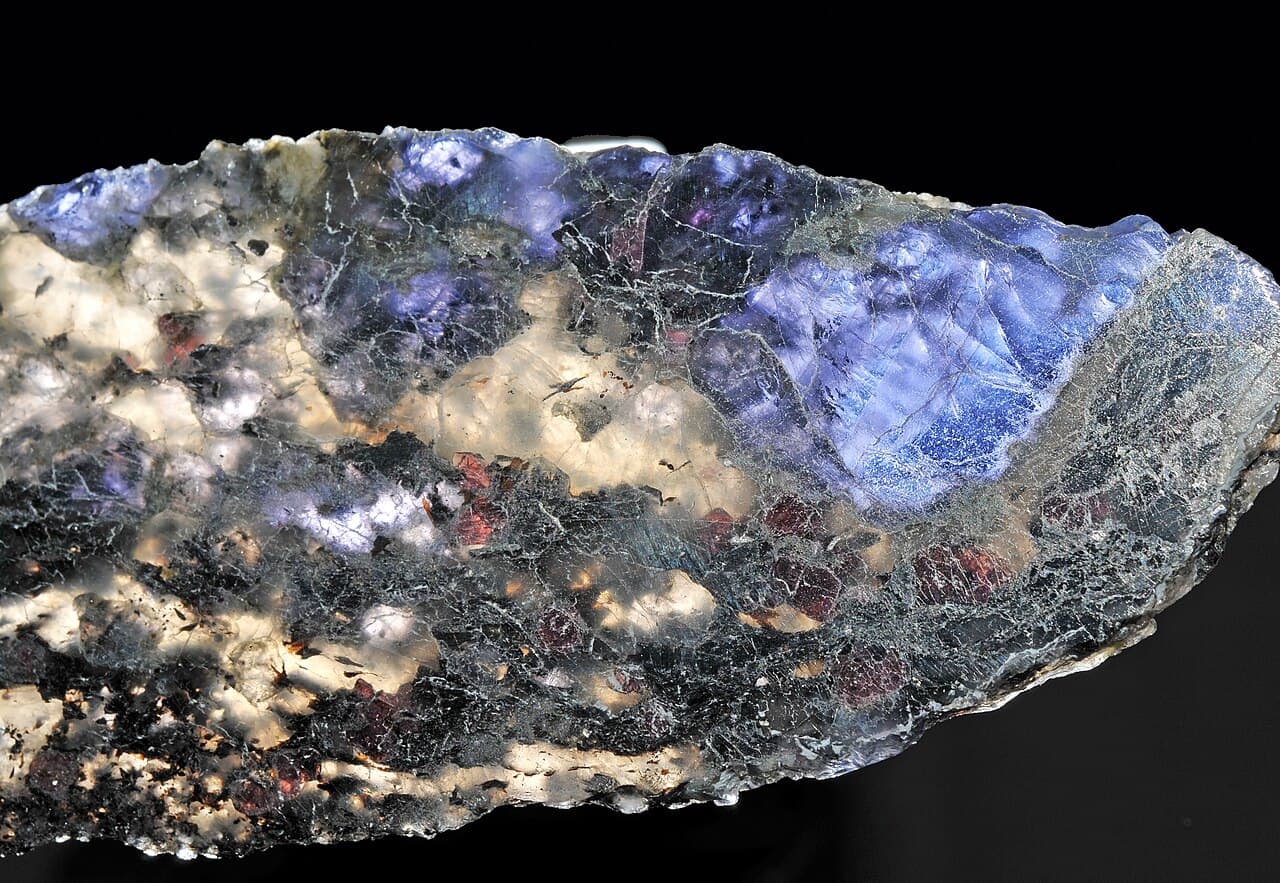
- IoliteHardness 7–7.5
- Jade

- JasperHardness 6.5–7
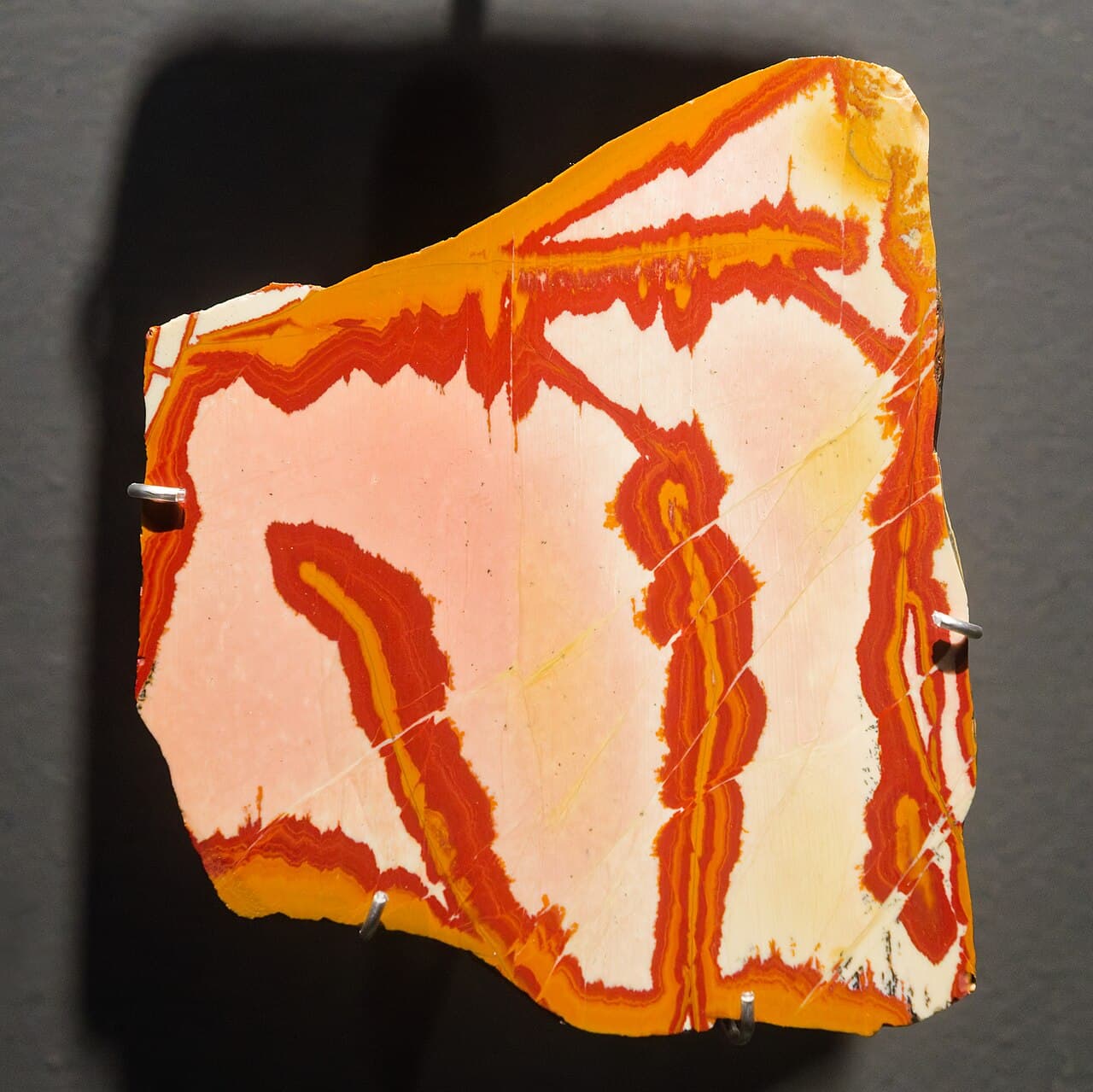
- KunziteHardness 6.5–7
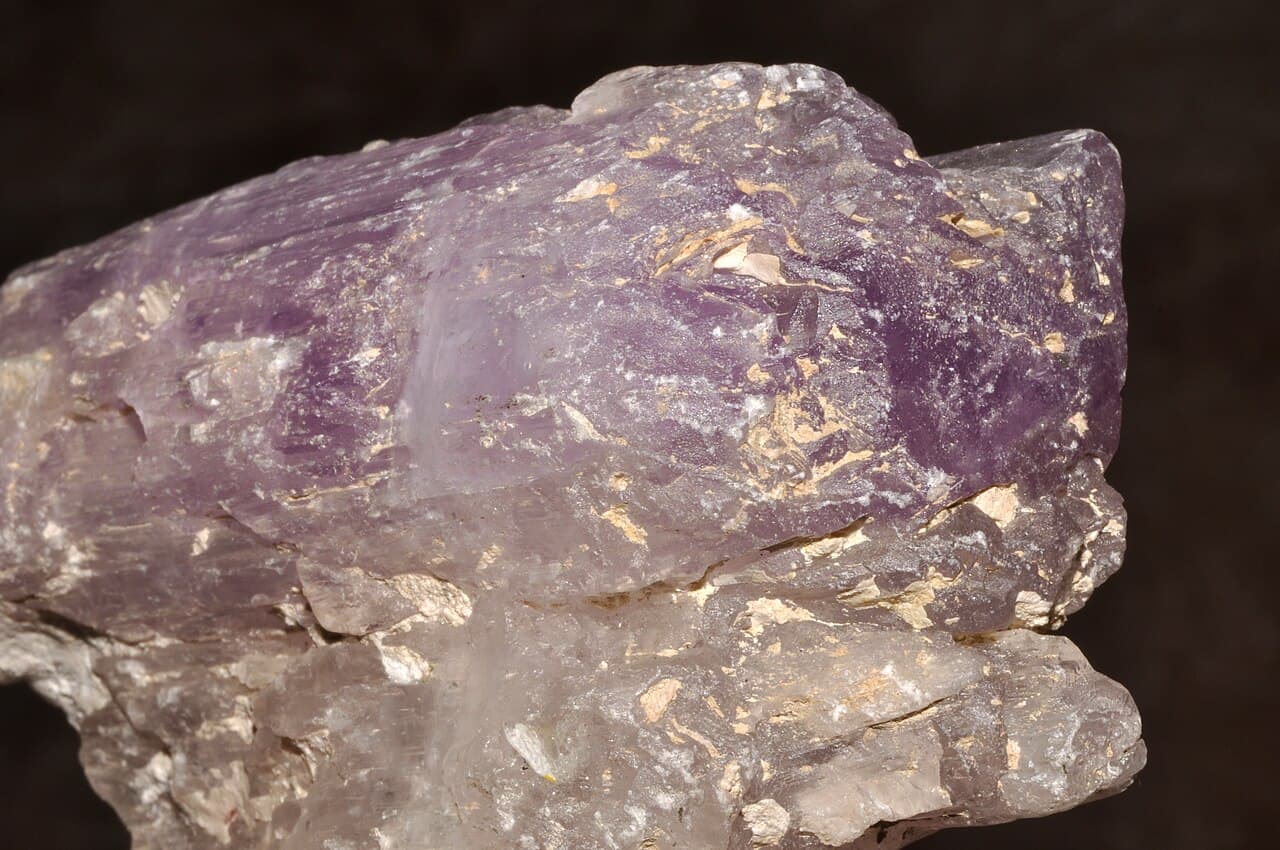
- Kyanite
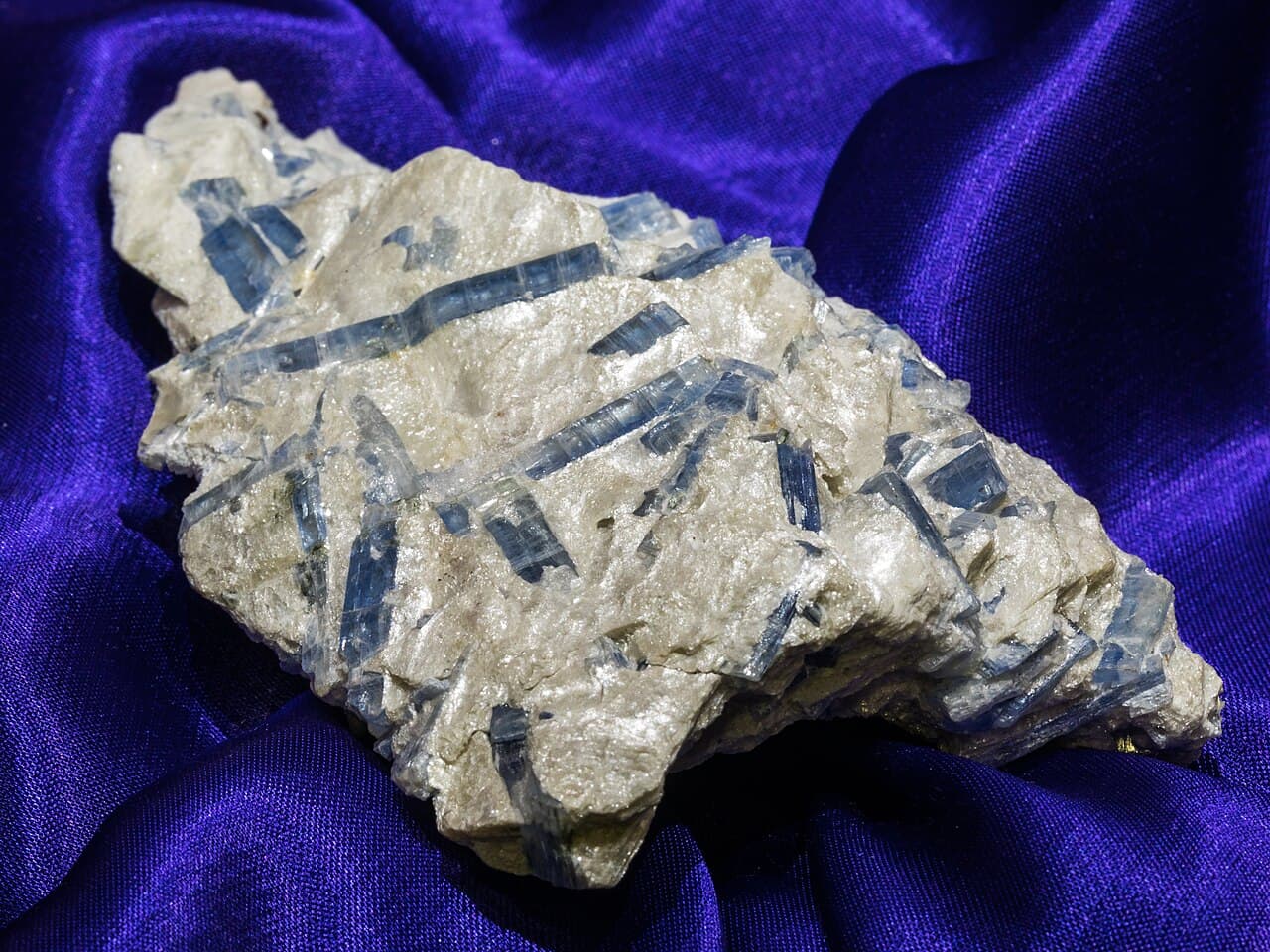
- LabradoriteHardness 6–6.5
- Lapis LazuliHardness 5–5.5
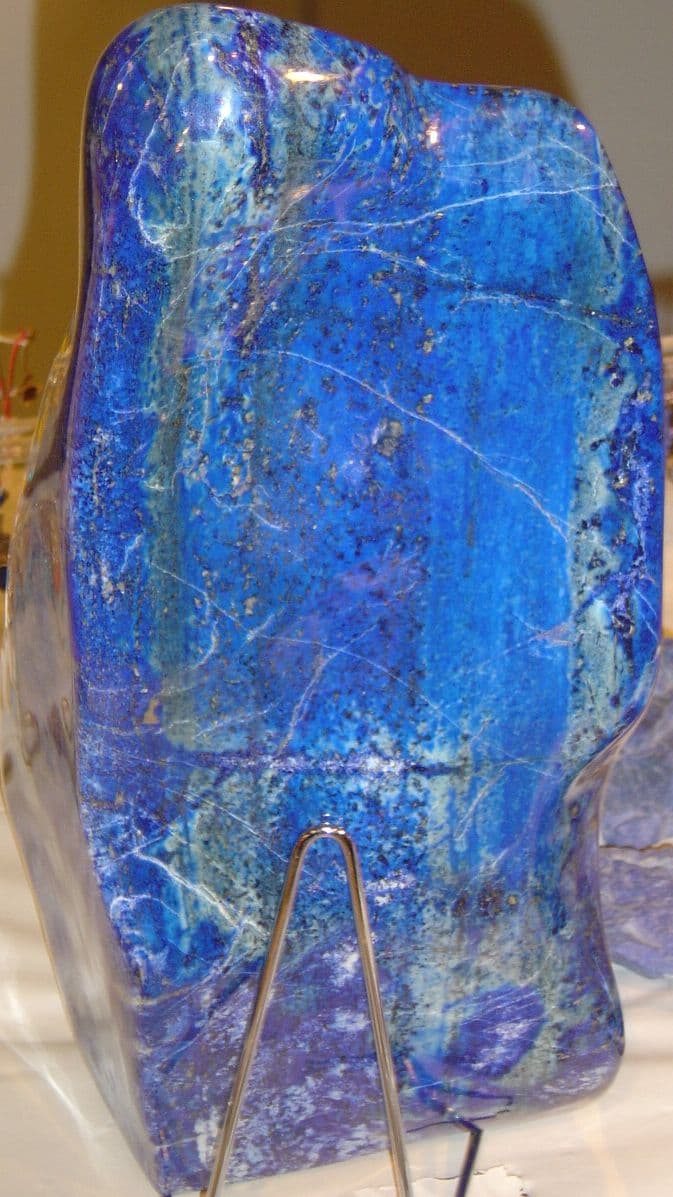
- LarimarHardness 4.5–5
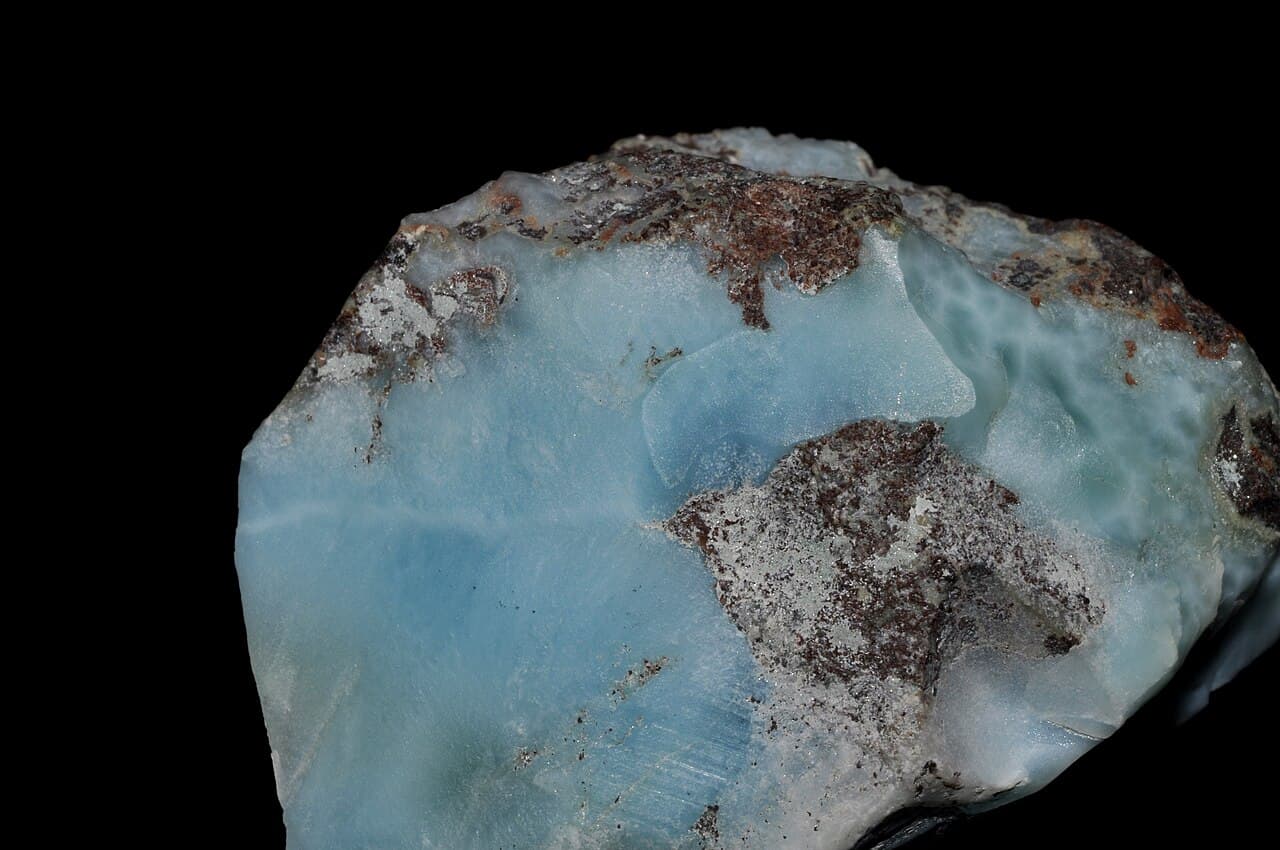
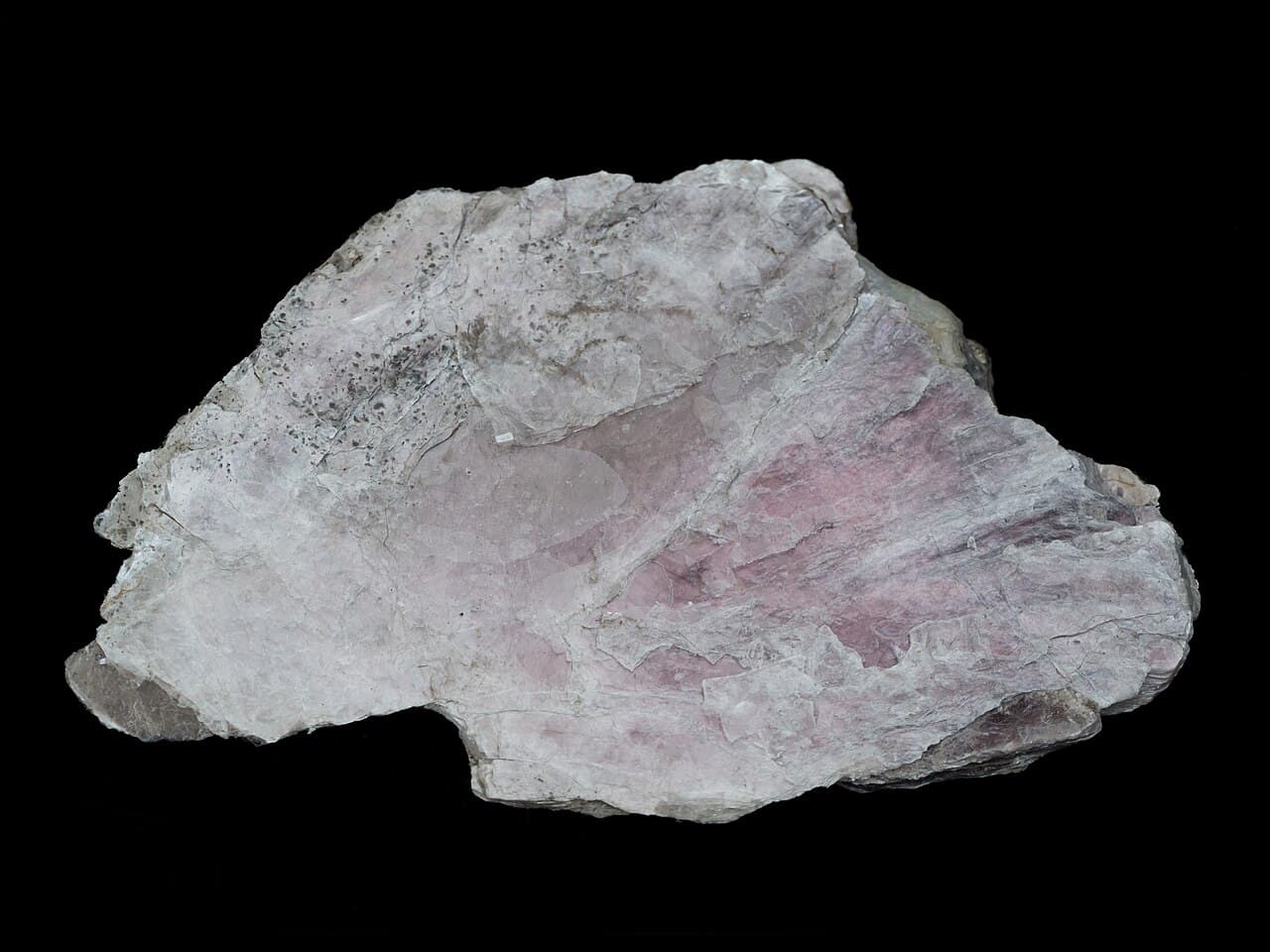
- LepidoliteHardness 2.5–3
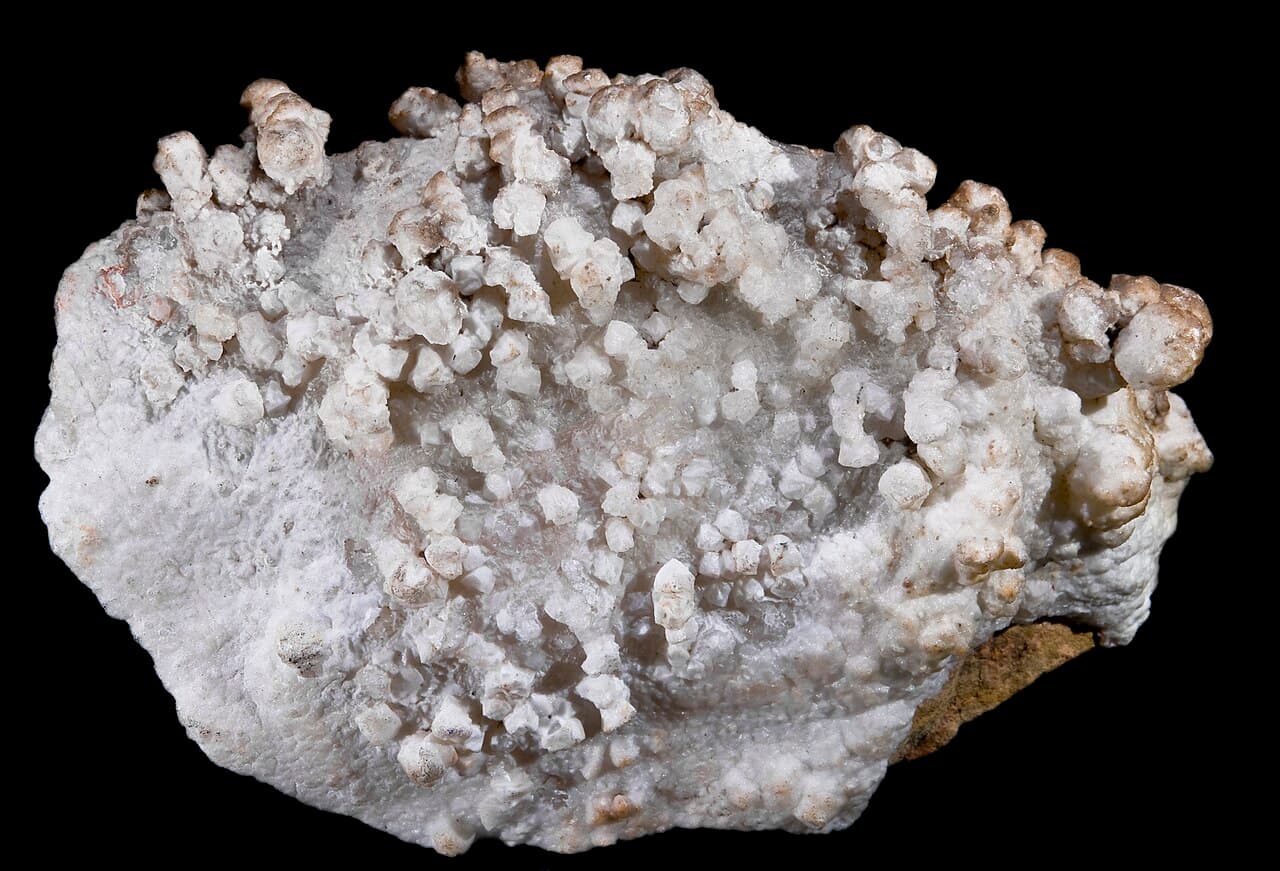
- MagnesiteHardness 3.5–4.5
- MalachiteHardness 3.5–4
- MoldaviteHardness ~5.5
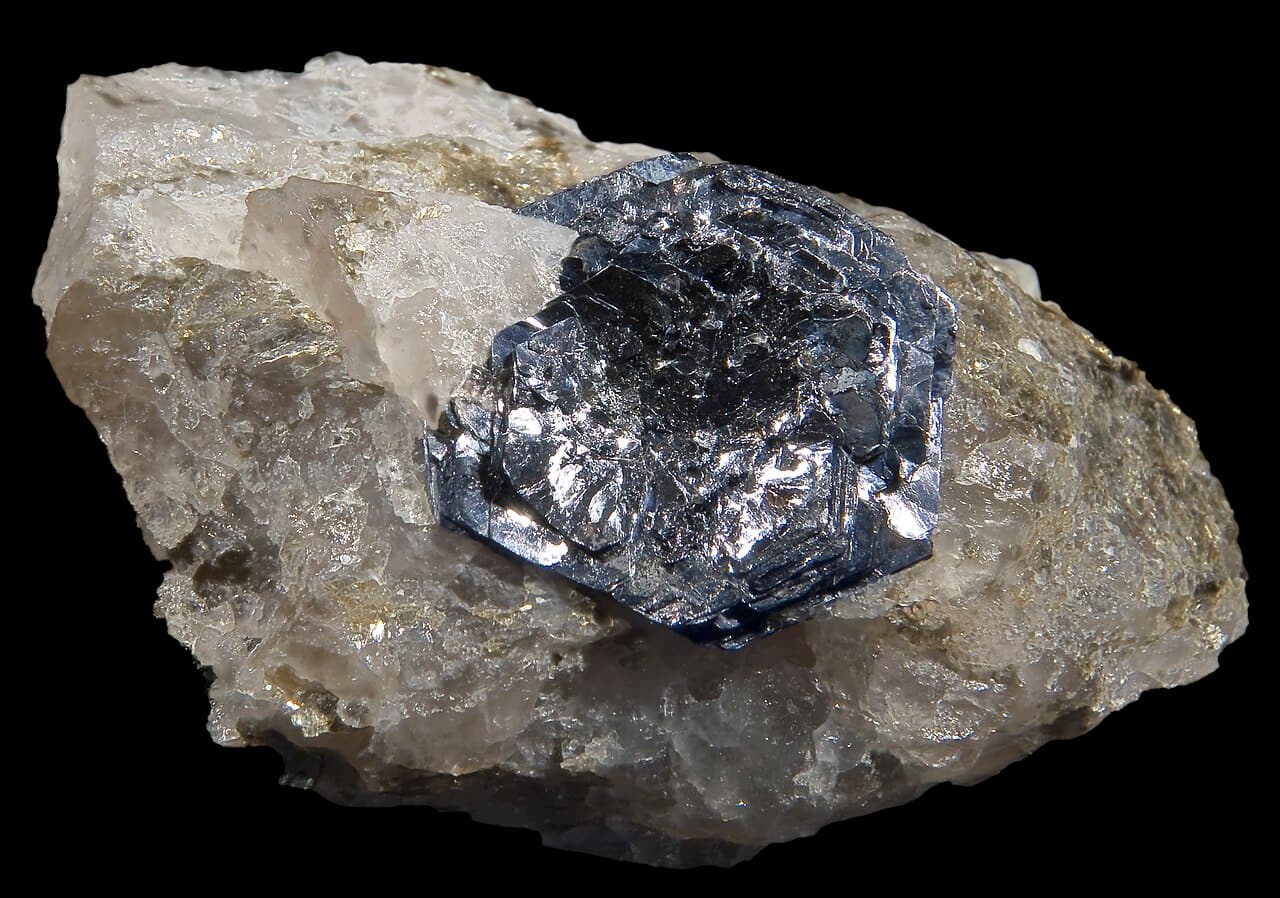
- MolybdeniteHardness 1–1.5
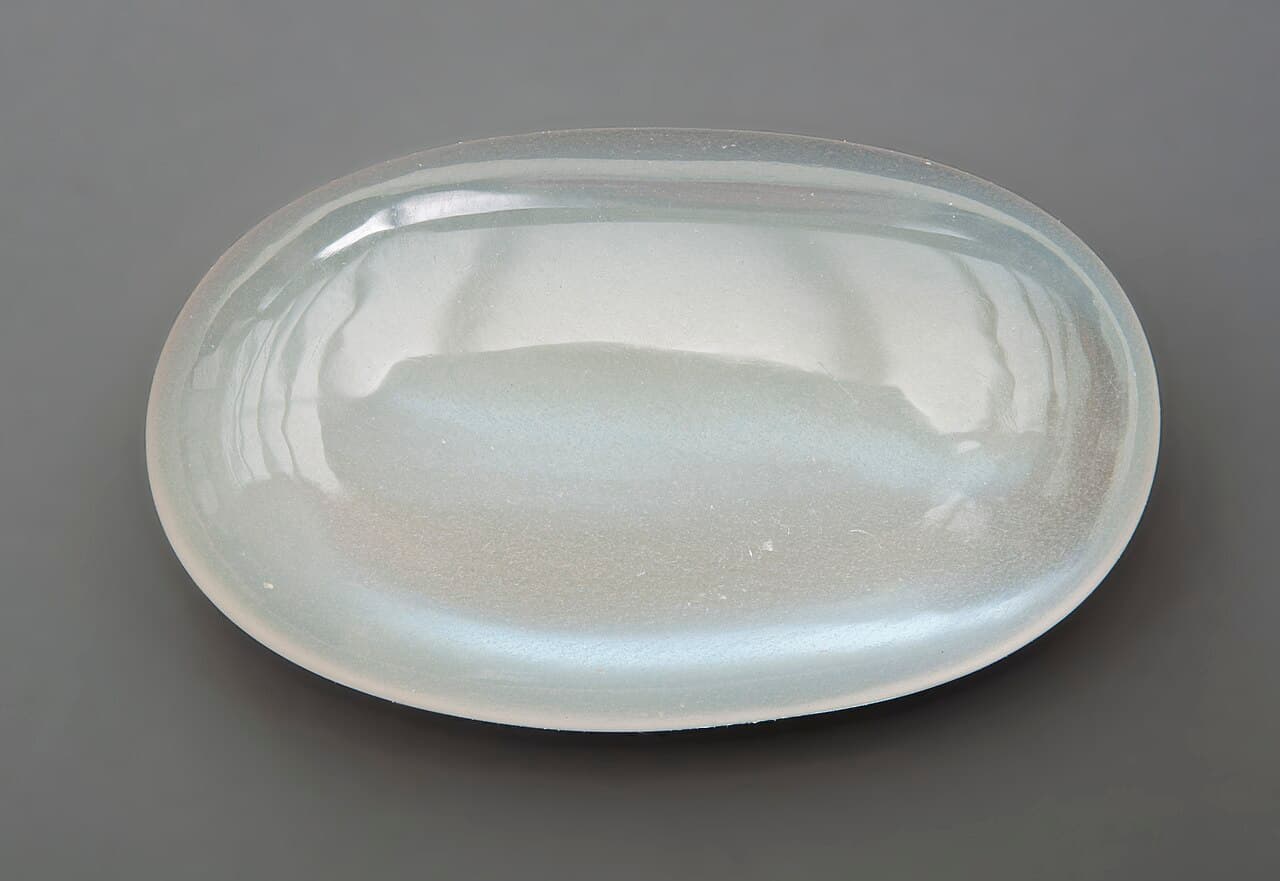
- MoonstoneHardness 6–6.5
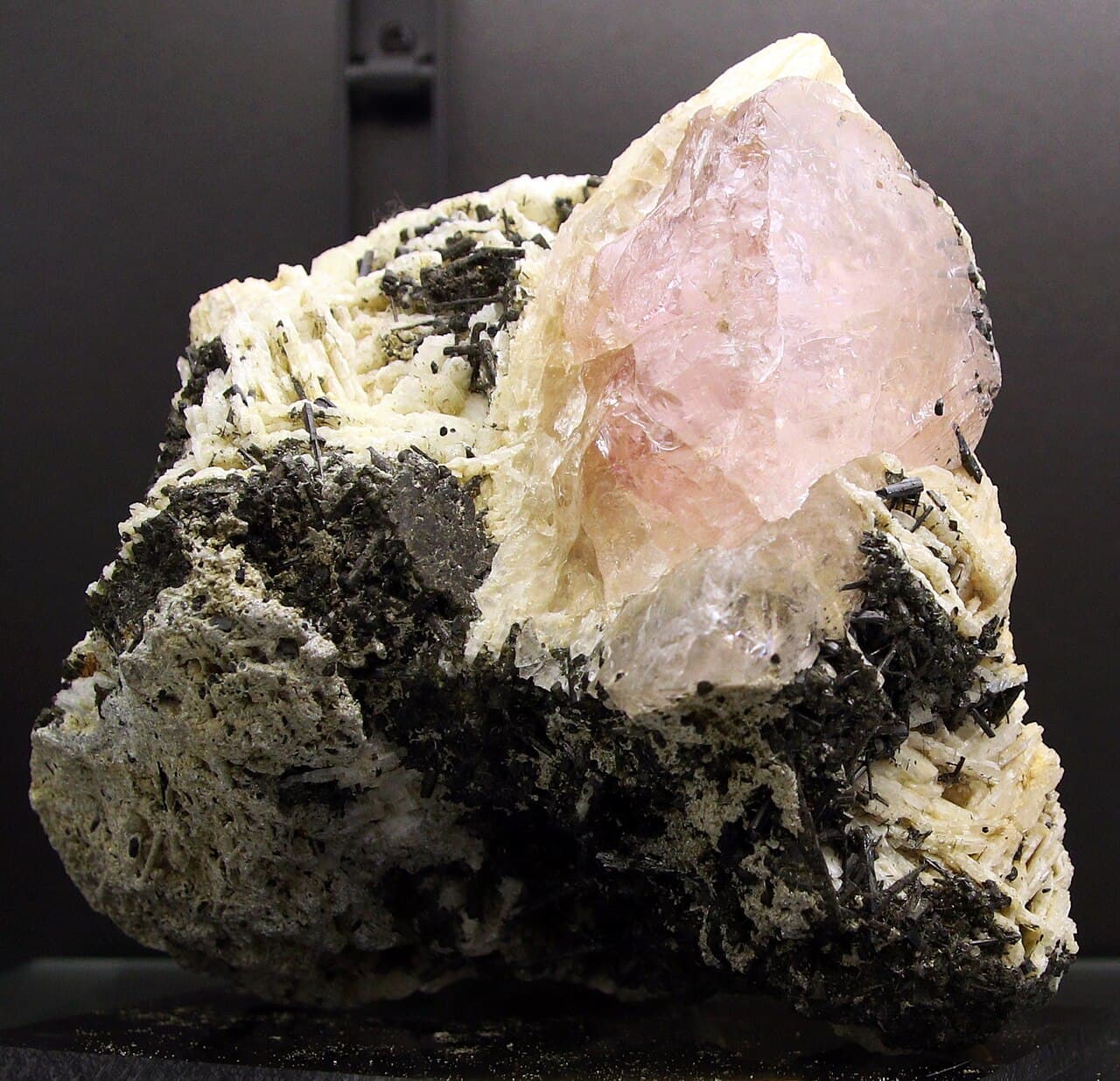
- MorganiteHardness 7.5–8
- OpalHardness 5.5–6.5

- PeridotHardness 6.5–7
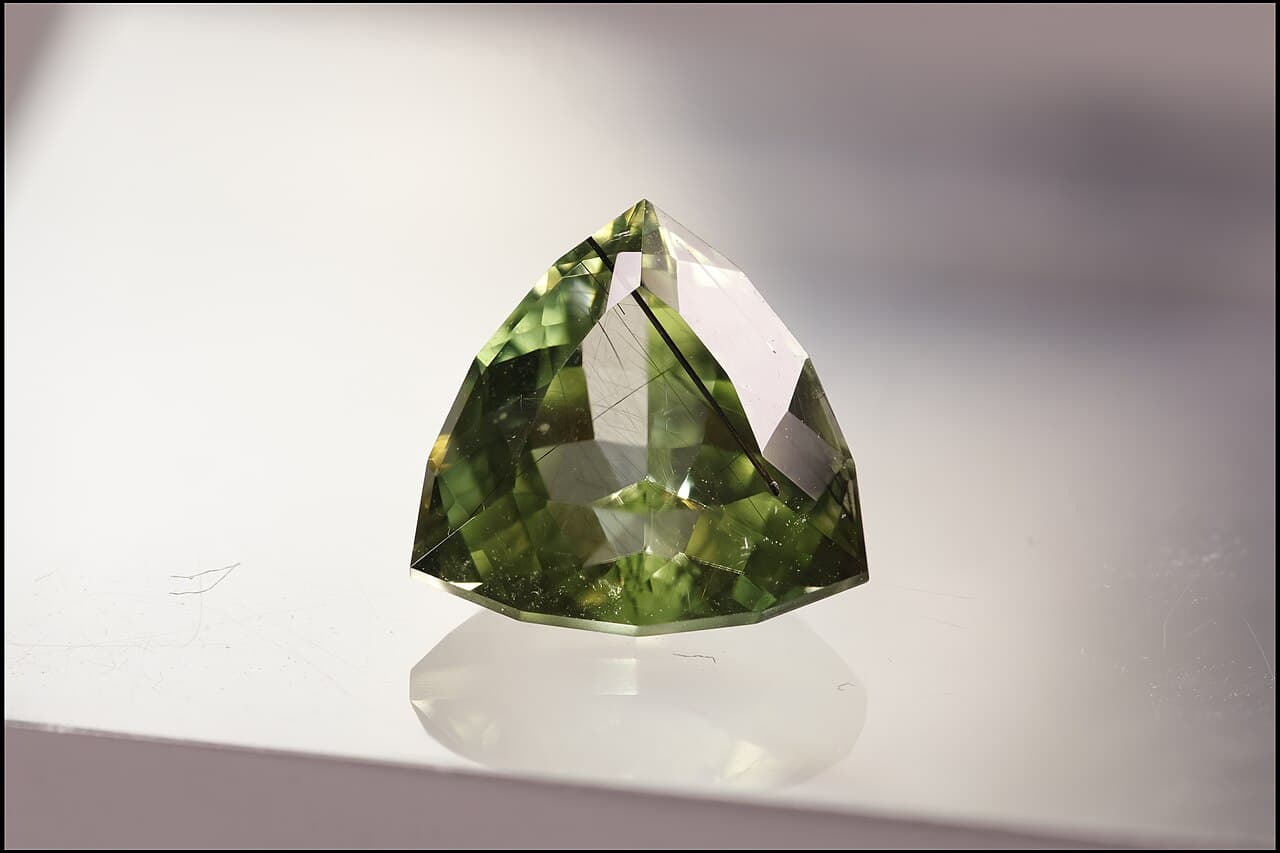
- PrasioliteHardness 7

- PrehniteHardness 6–6.5
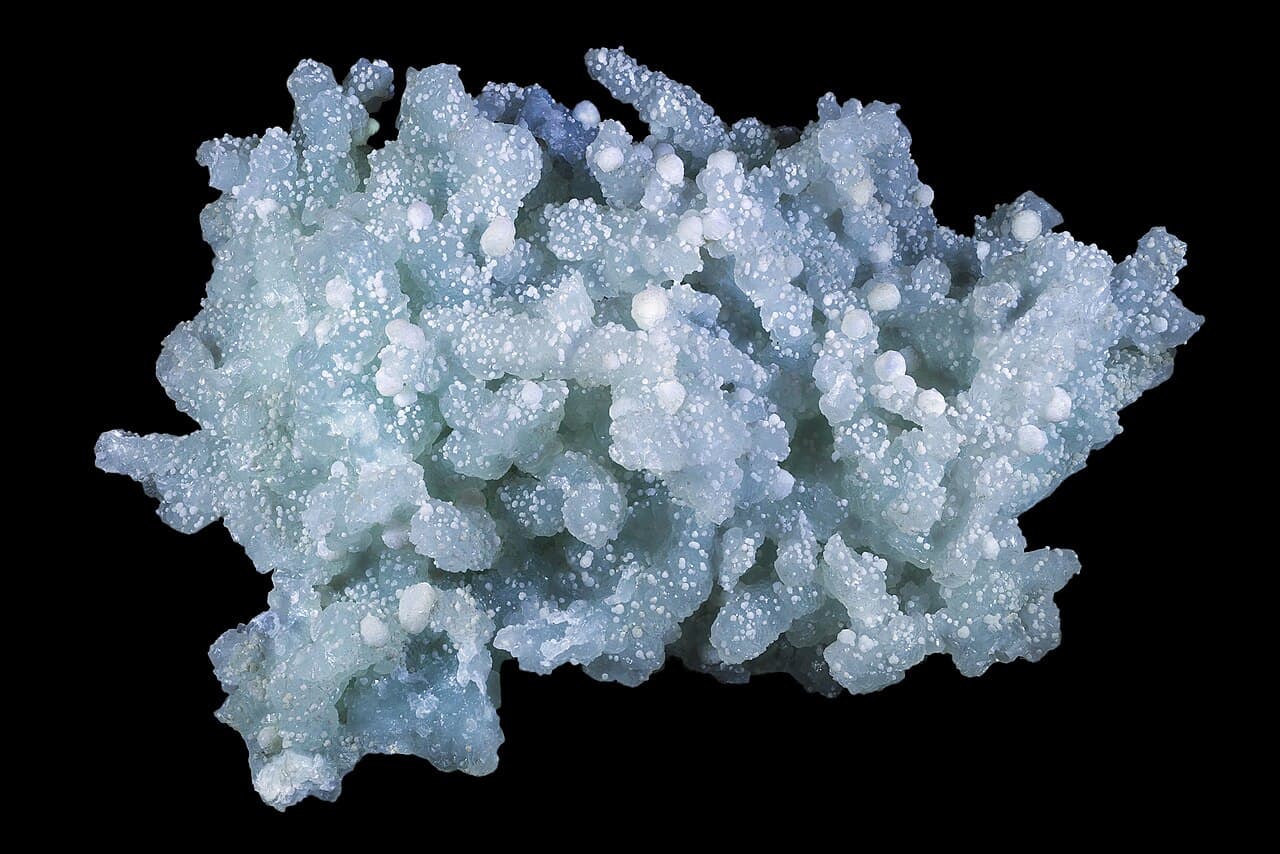
- PyriteHardness 6–6.5
- QuartzHardness 7
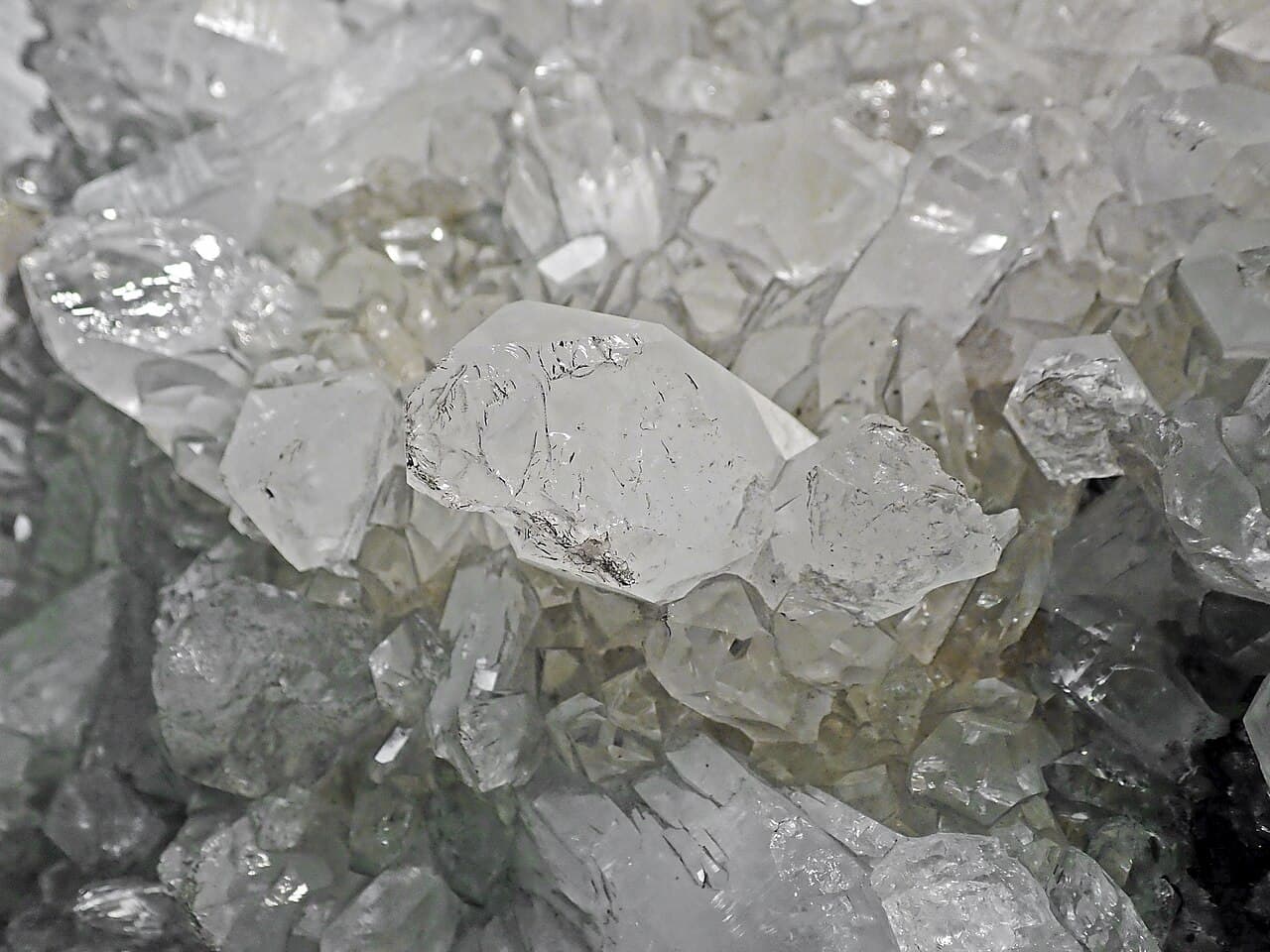
- RhodochrositeHardness 3.5–4
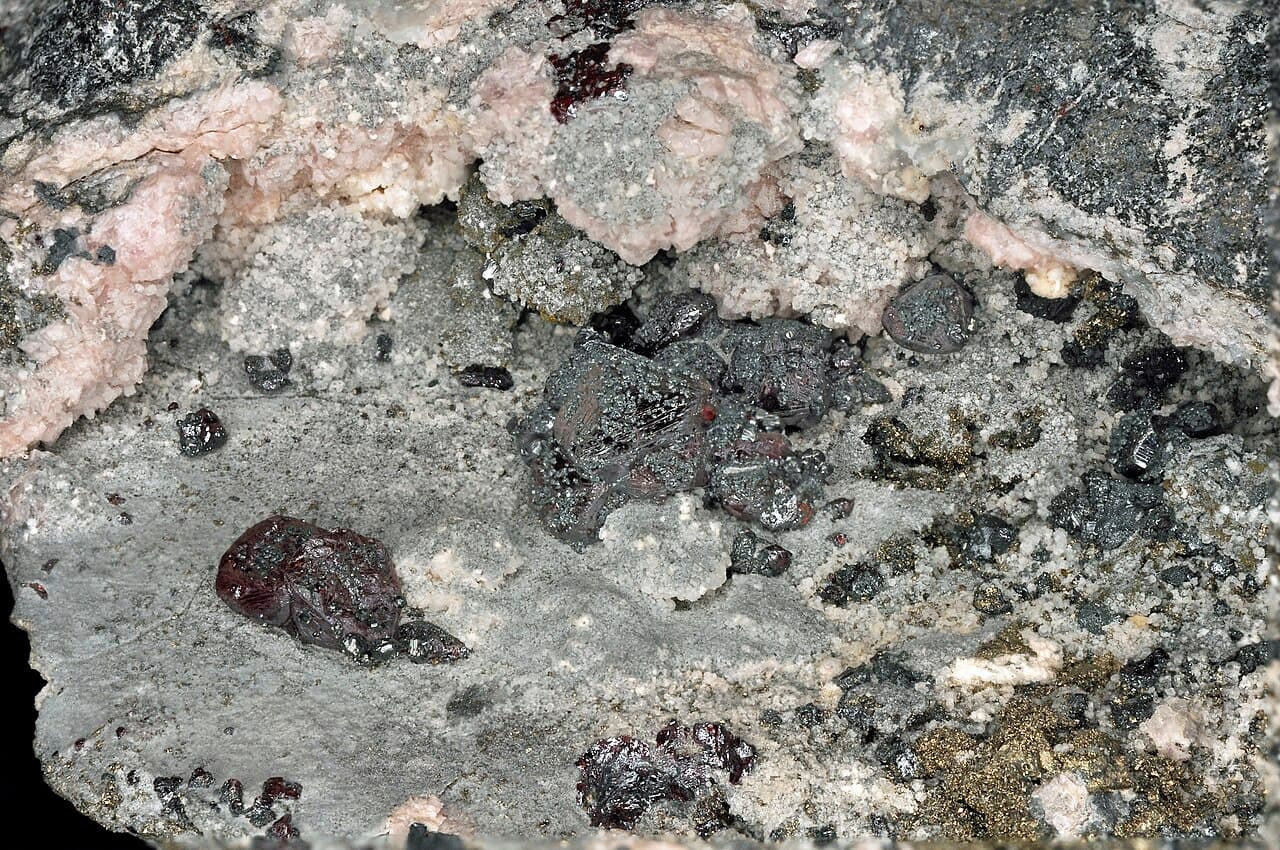
- RhodoniteHardness 5.5–6.5
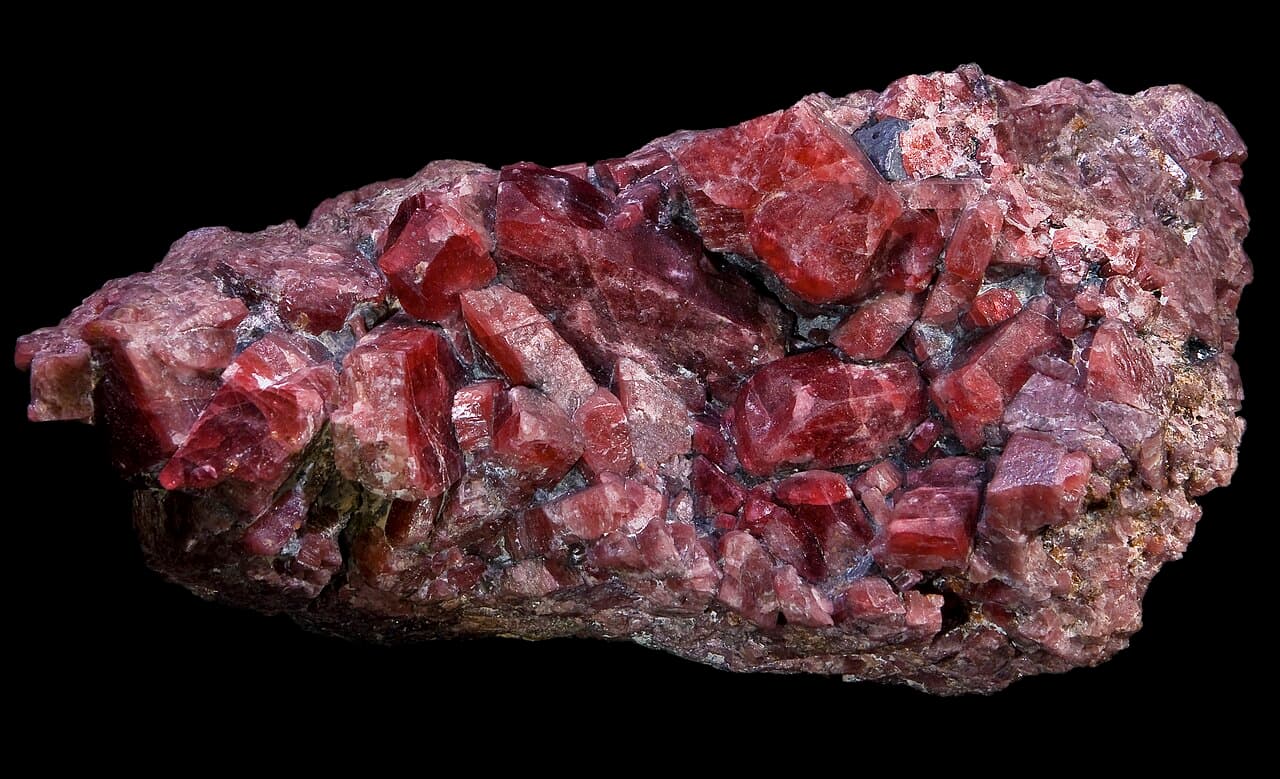
- Rose QuartzHardness 7
- ScapoliteHardness 5.5 to 6
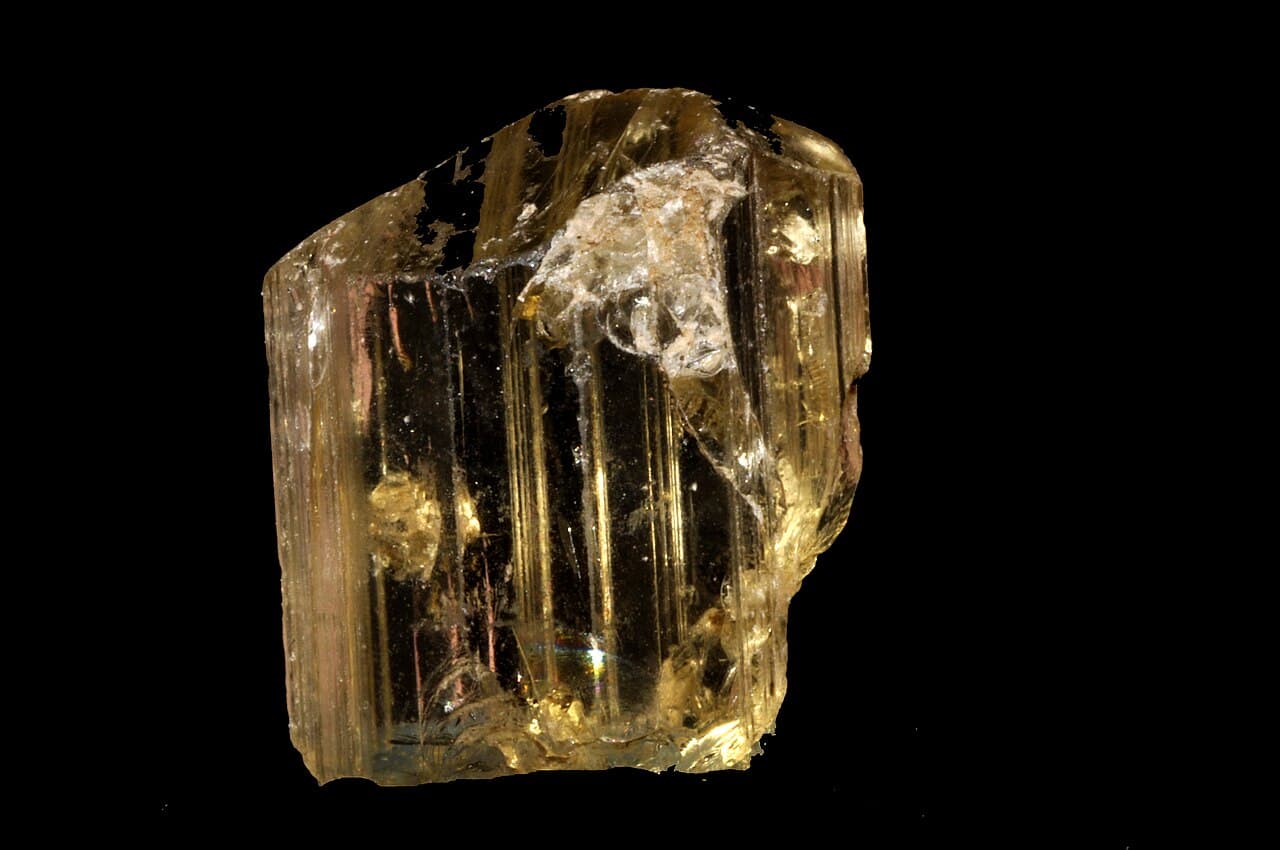
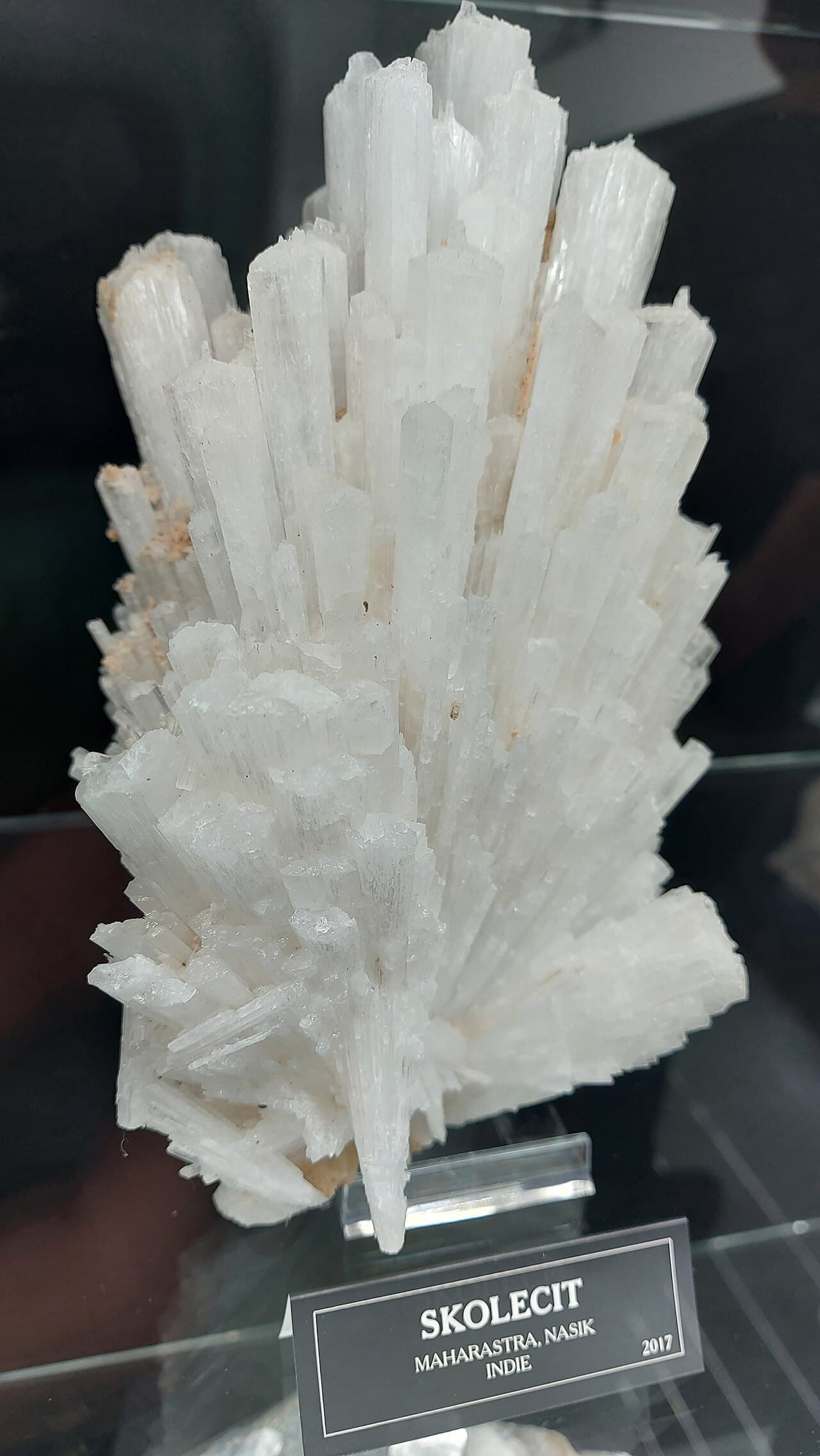
- ScoleciteHardness 5–5.5
- SeleniteHardness 2
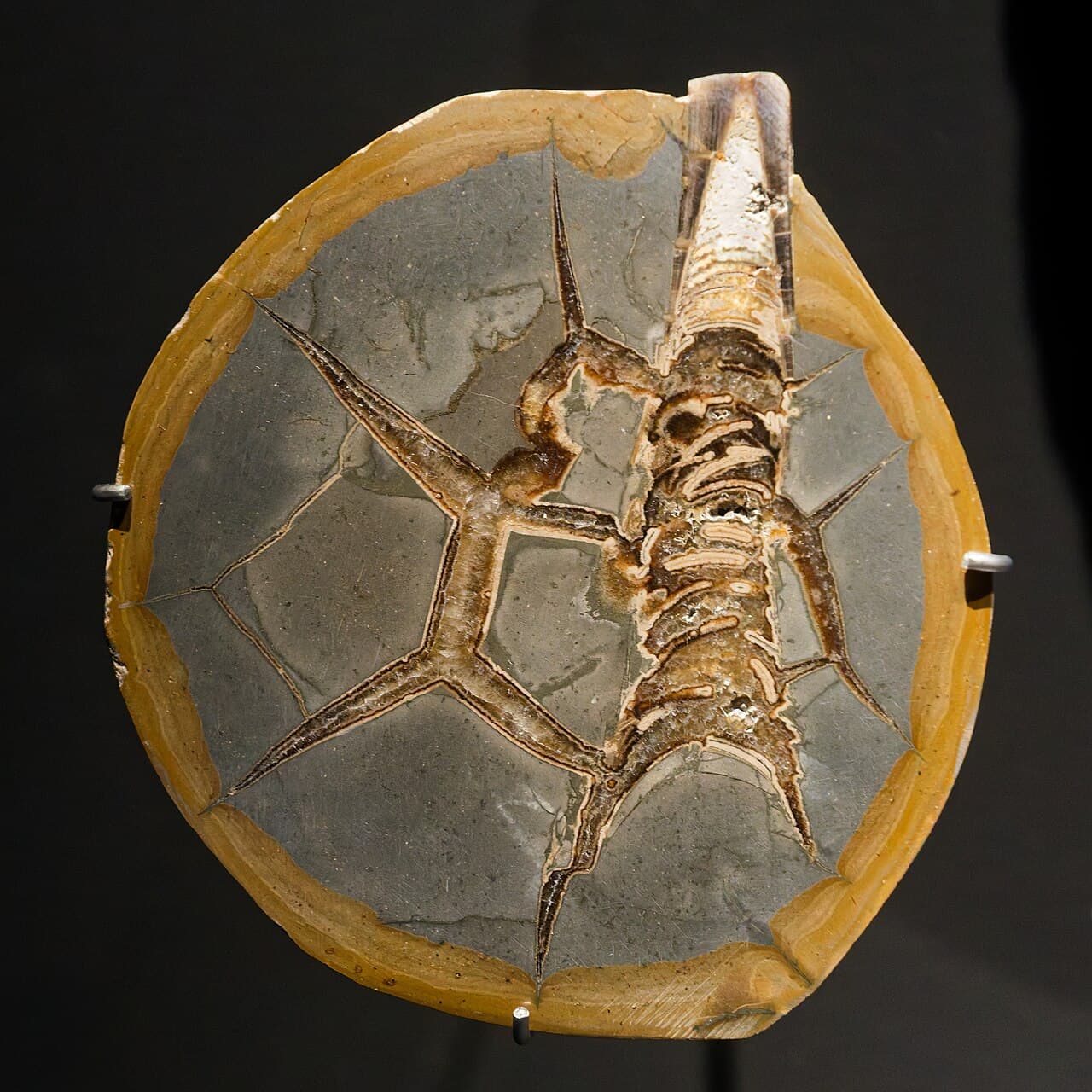
- SeptarianHardness 3.5 to 4
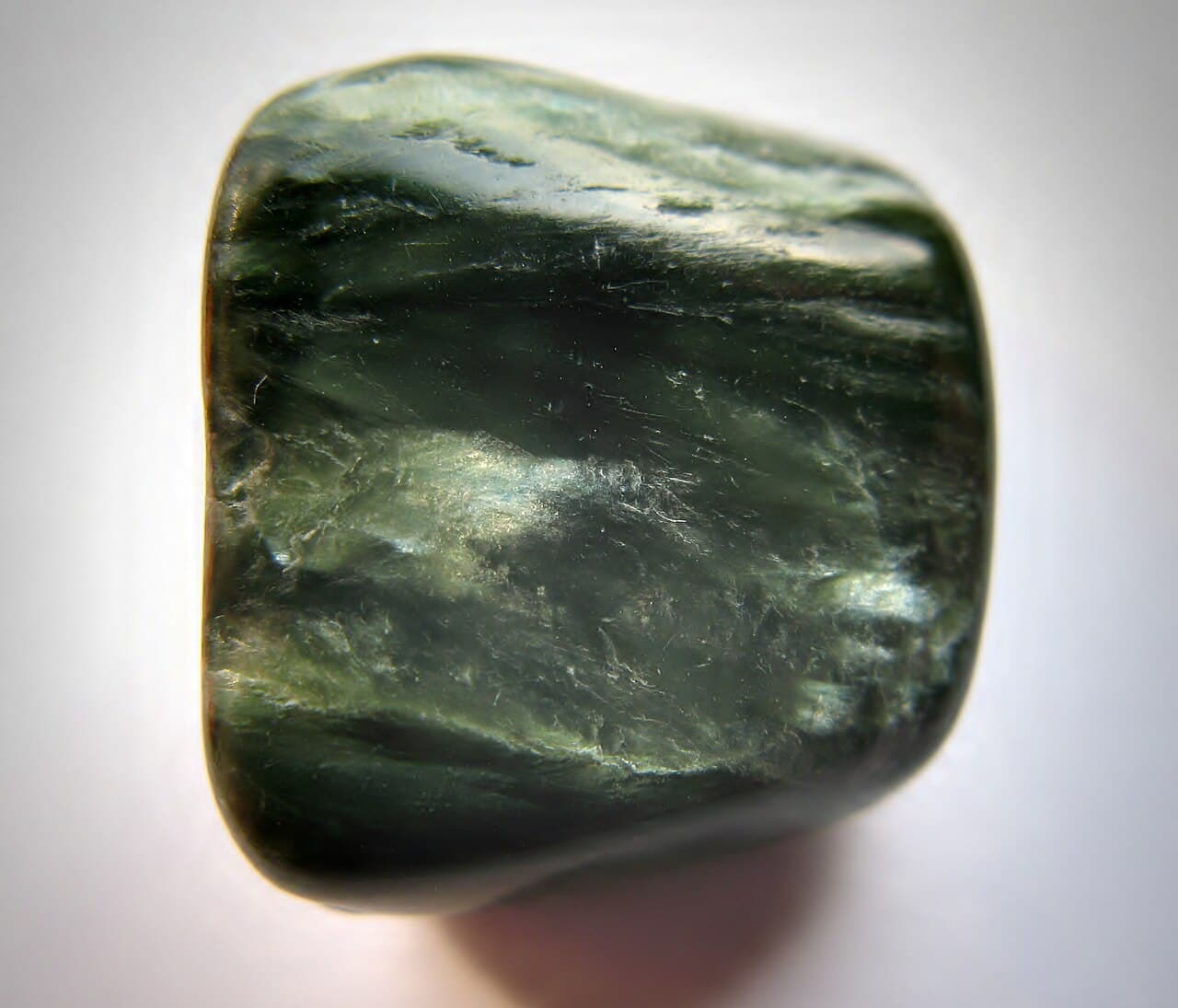
- SeraphiniteHardness 2 to 4
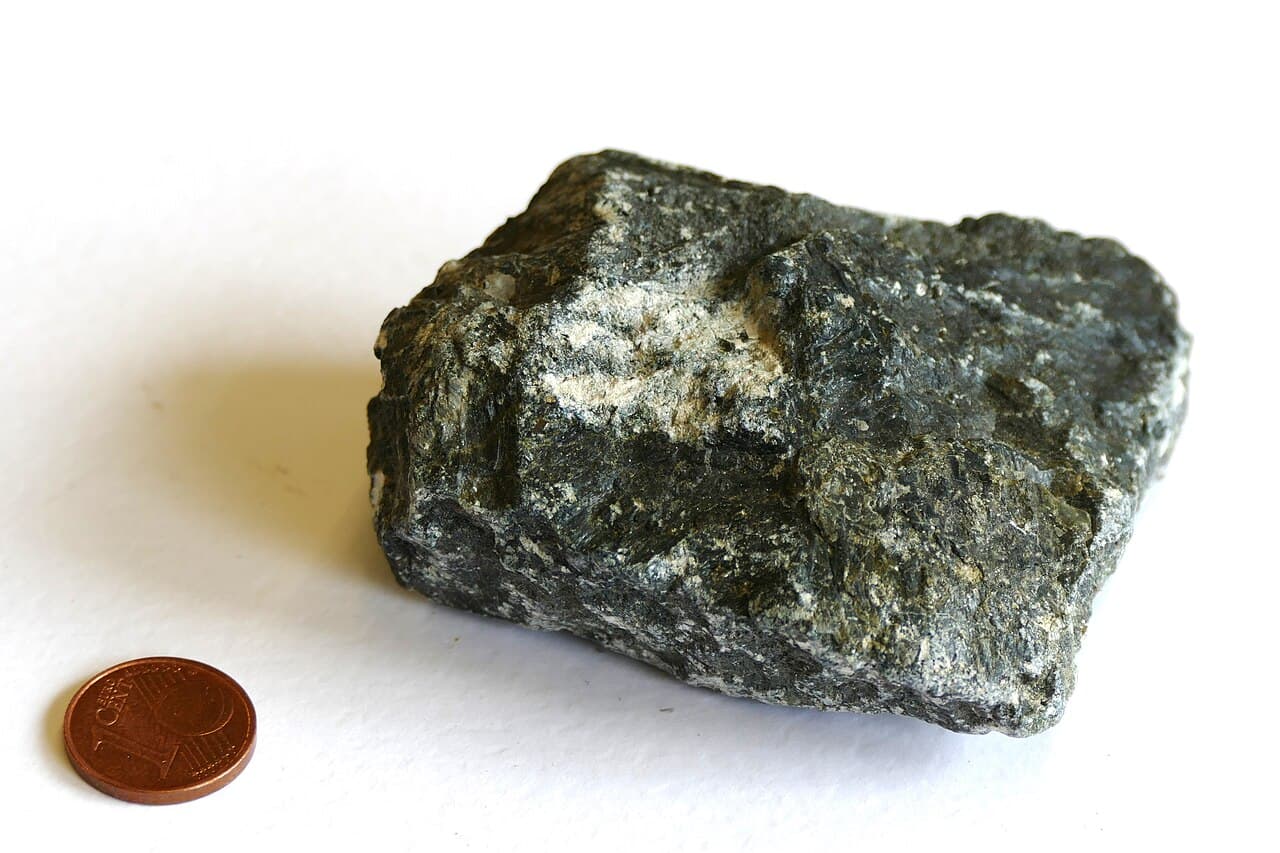
- SerpentineHardness 2.5–5.5
- ShungiteHardness 3.5–4
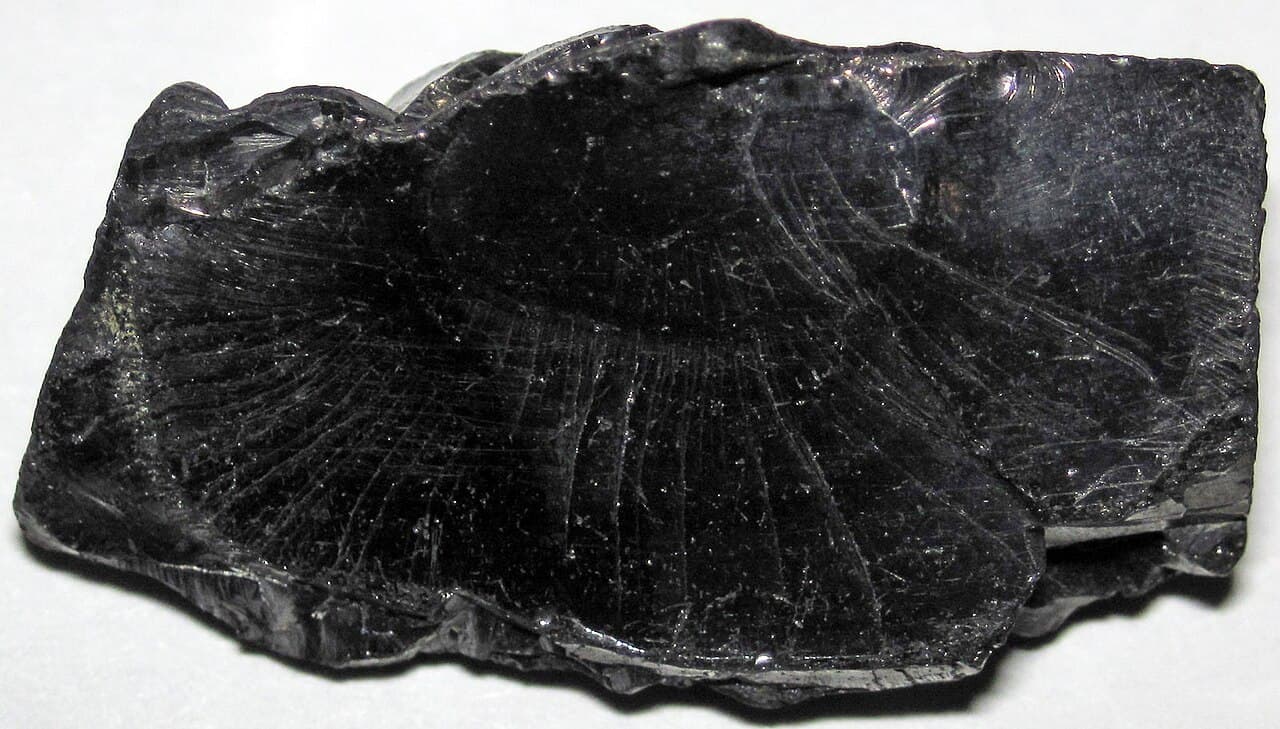
- SmithsoniteHardness 4–4.5
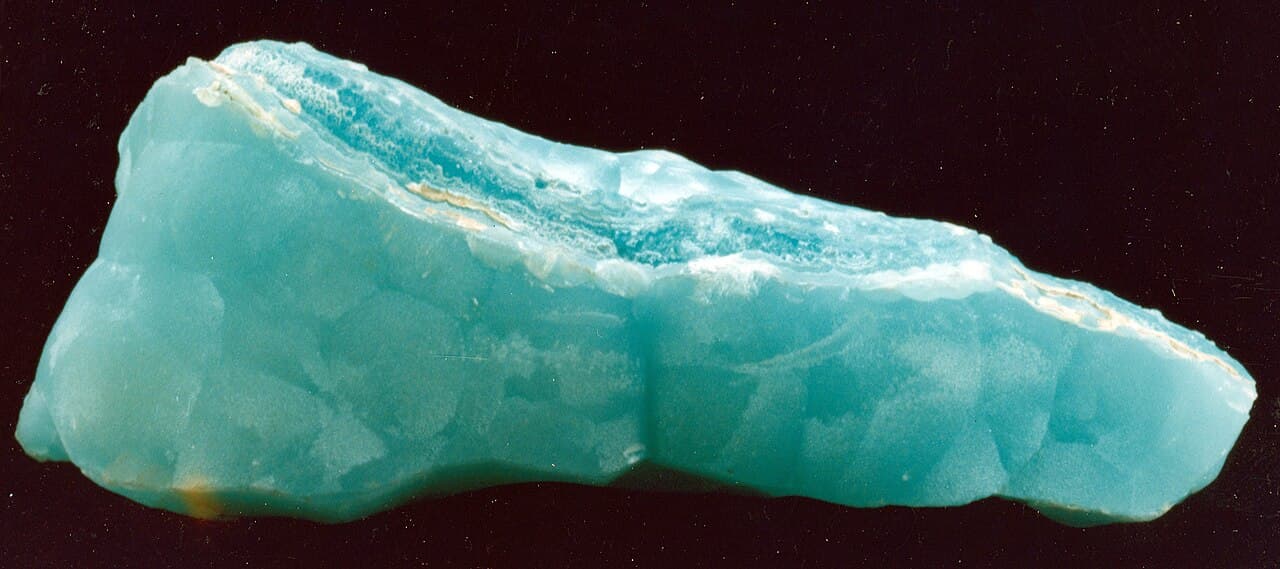
- Smoky QuartzHardness 7
- SodaliteHardness 5.5–6
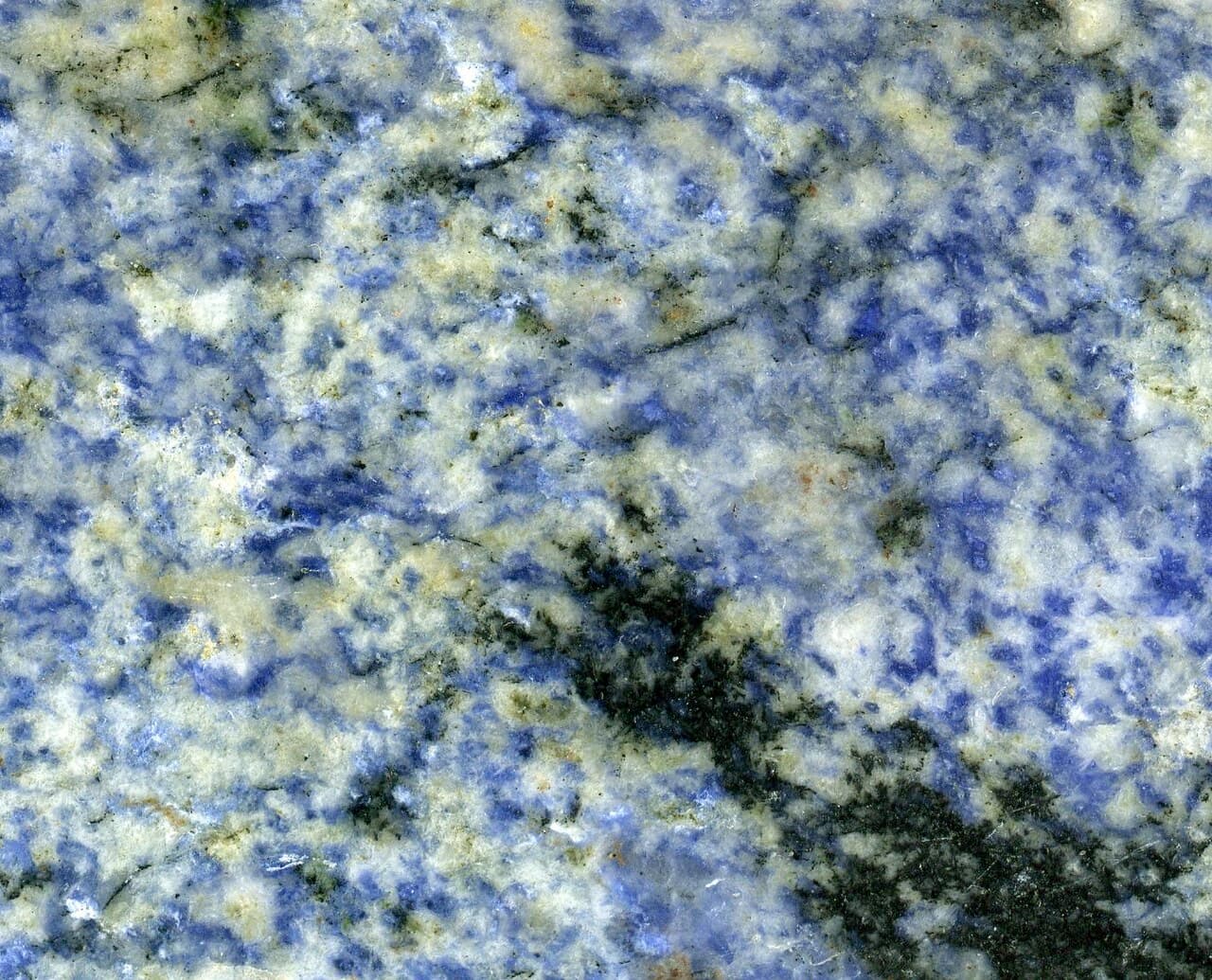
- SphaleriteHardness 3.5 to 4
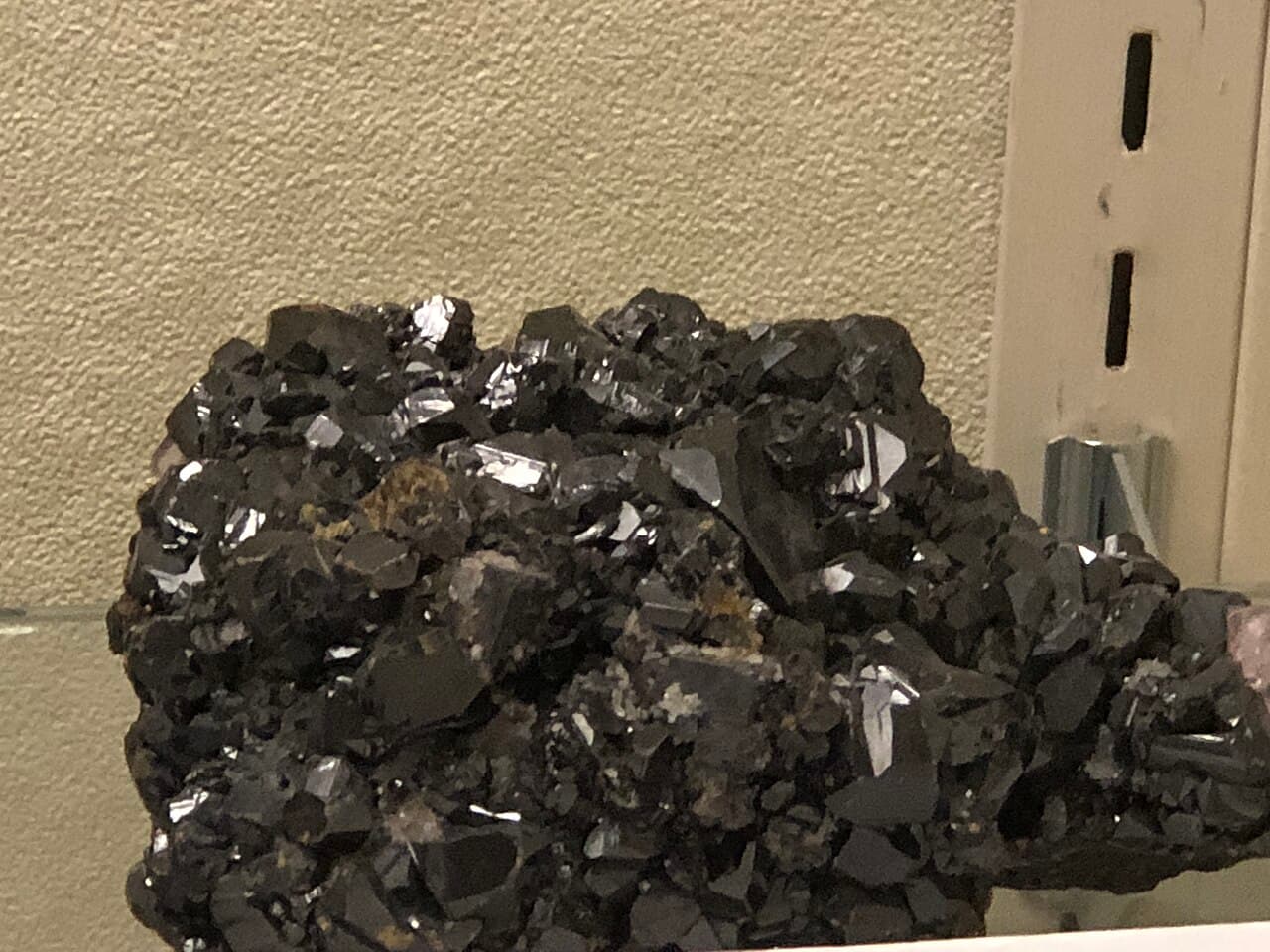
- StibniteHardness 2
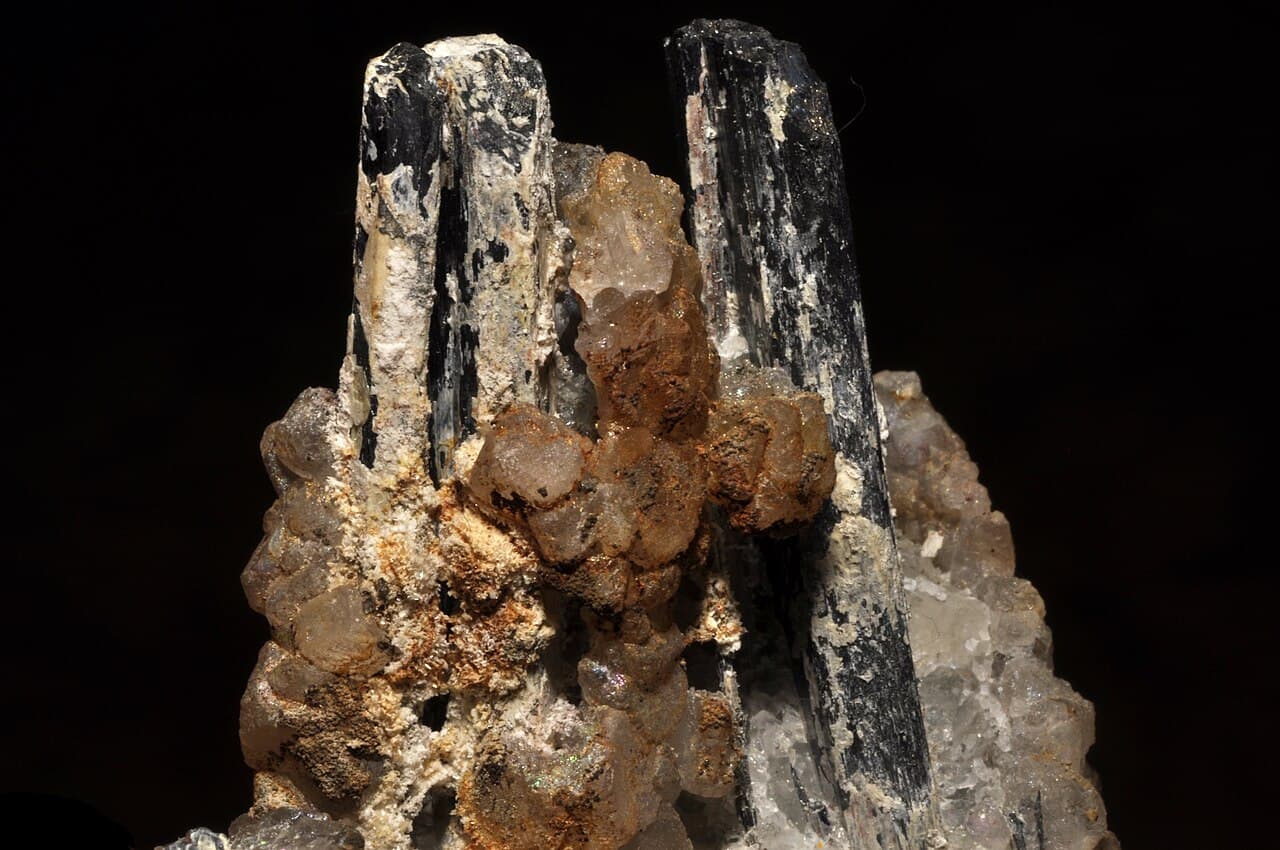
- StilbiteHardness 3.5 to 4
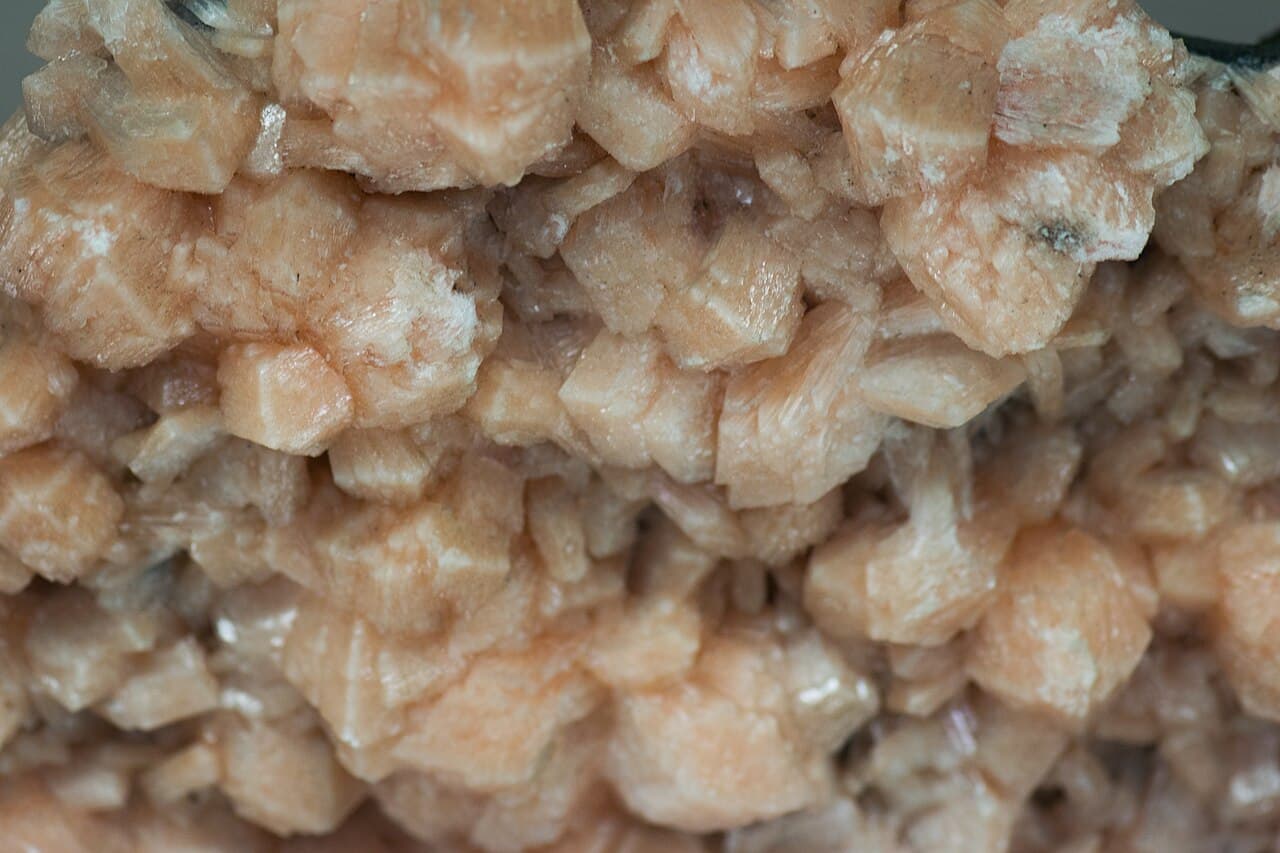
- TektiteHardness 5–6
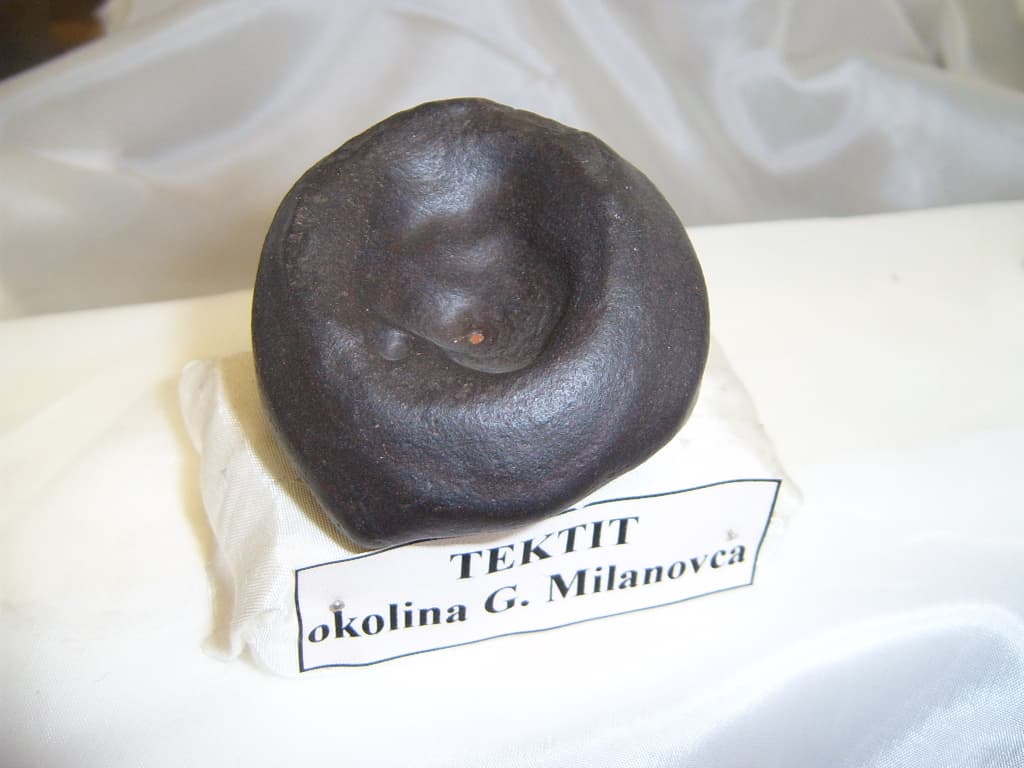
- Tiger's EyeHardness 7
- TitaniteHardness 5–5.5
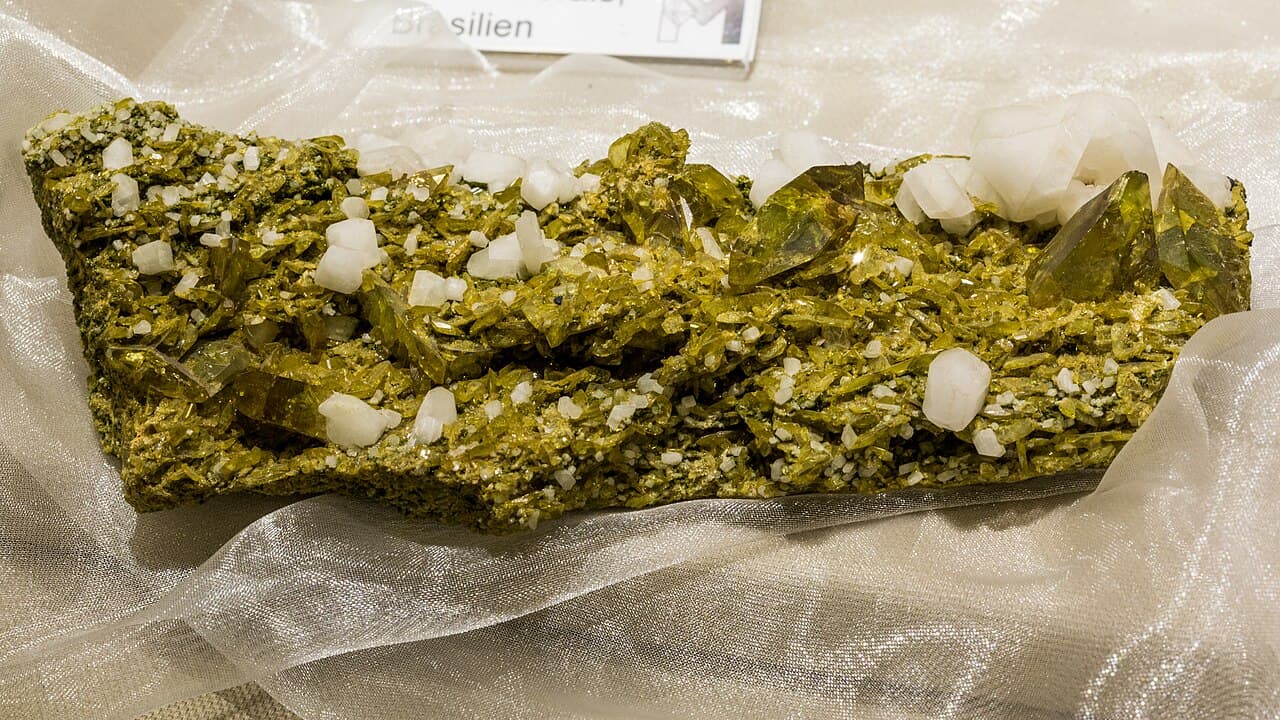
- TopazHardness 8
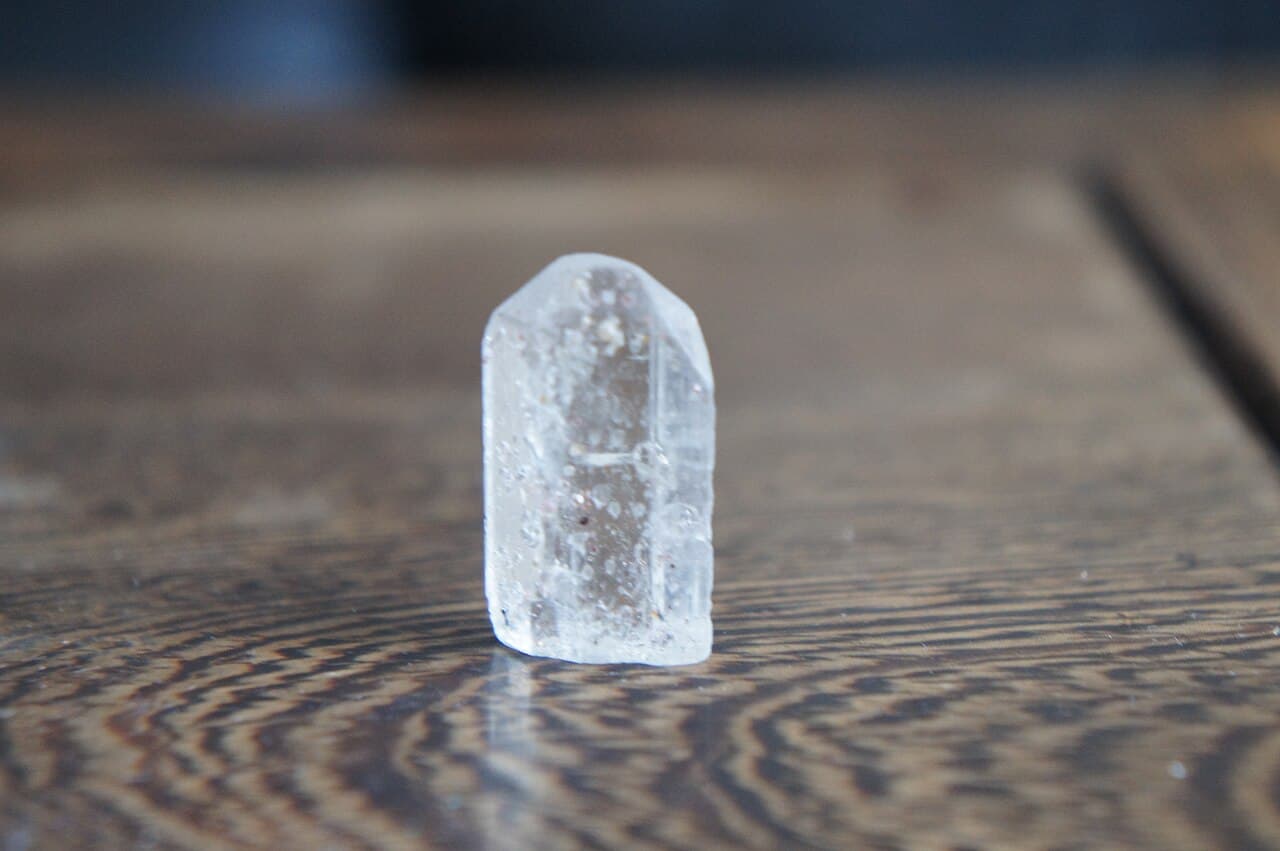
- TourmalineHardness 7–7.5

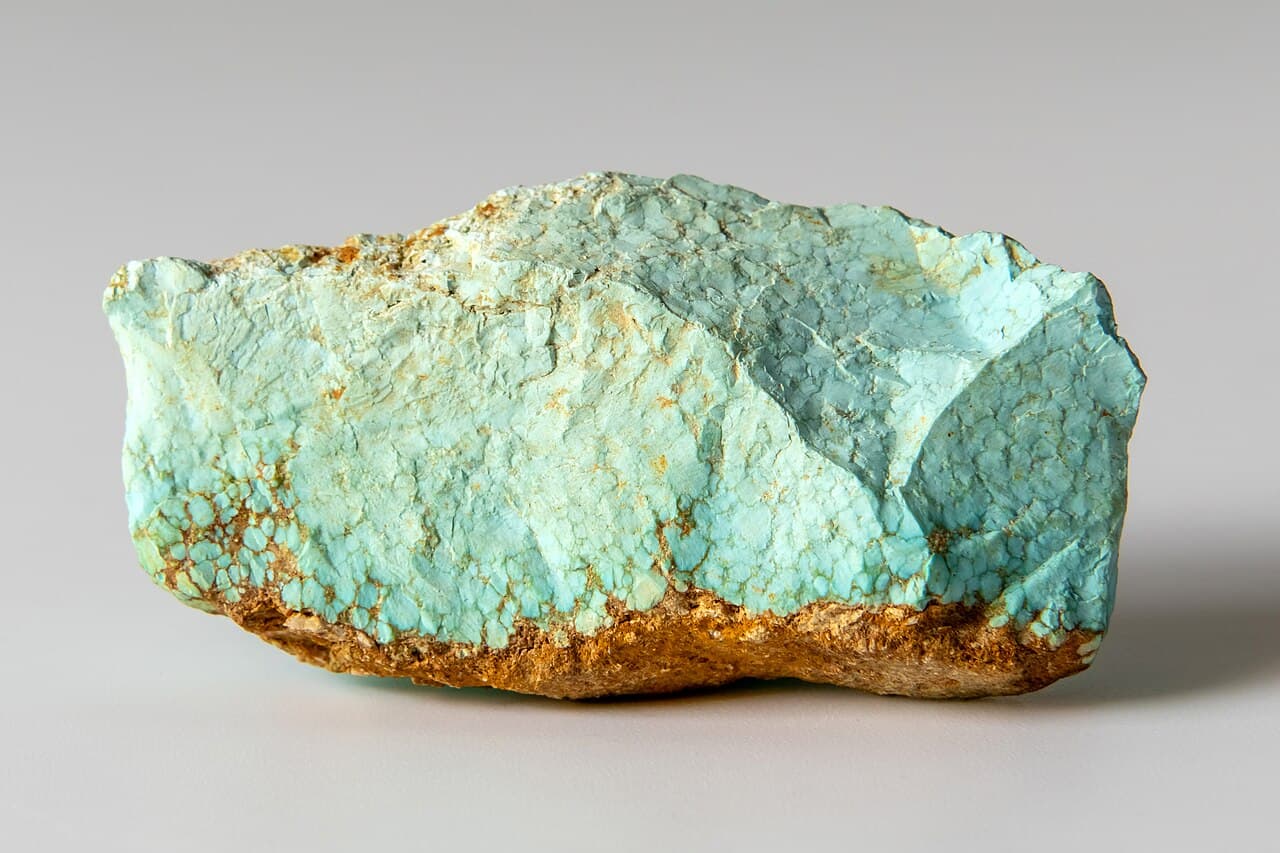
- TurquoiseHardness 5–6
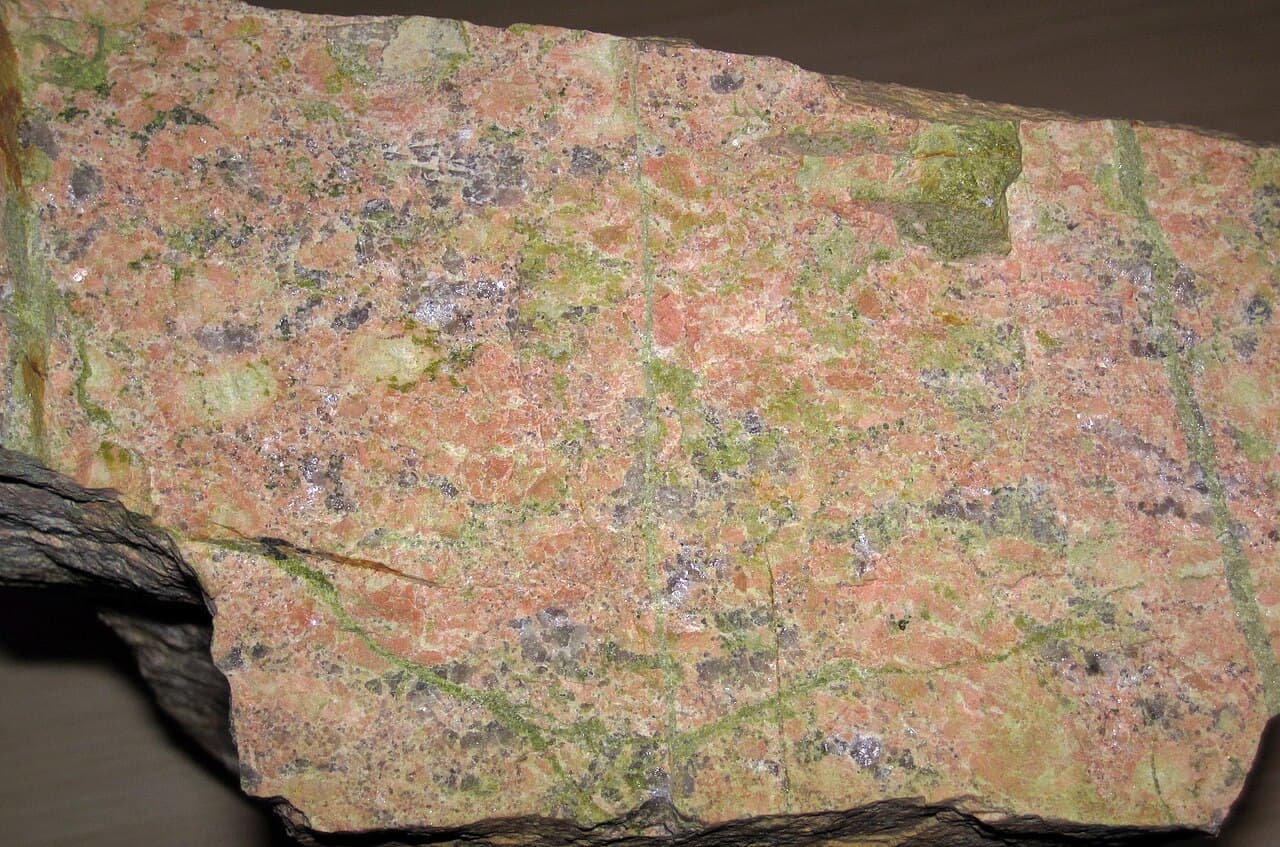
- Unakite
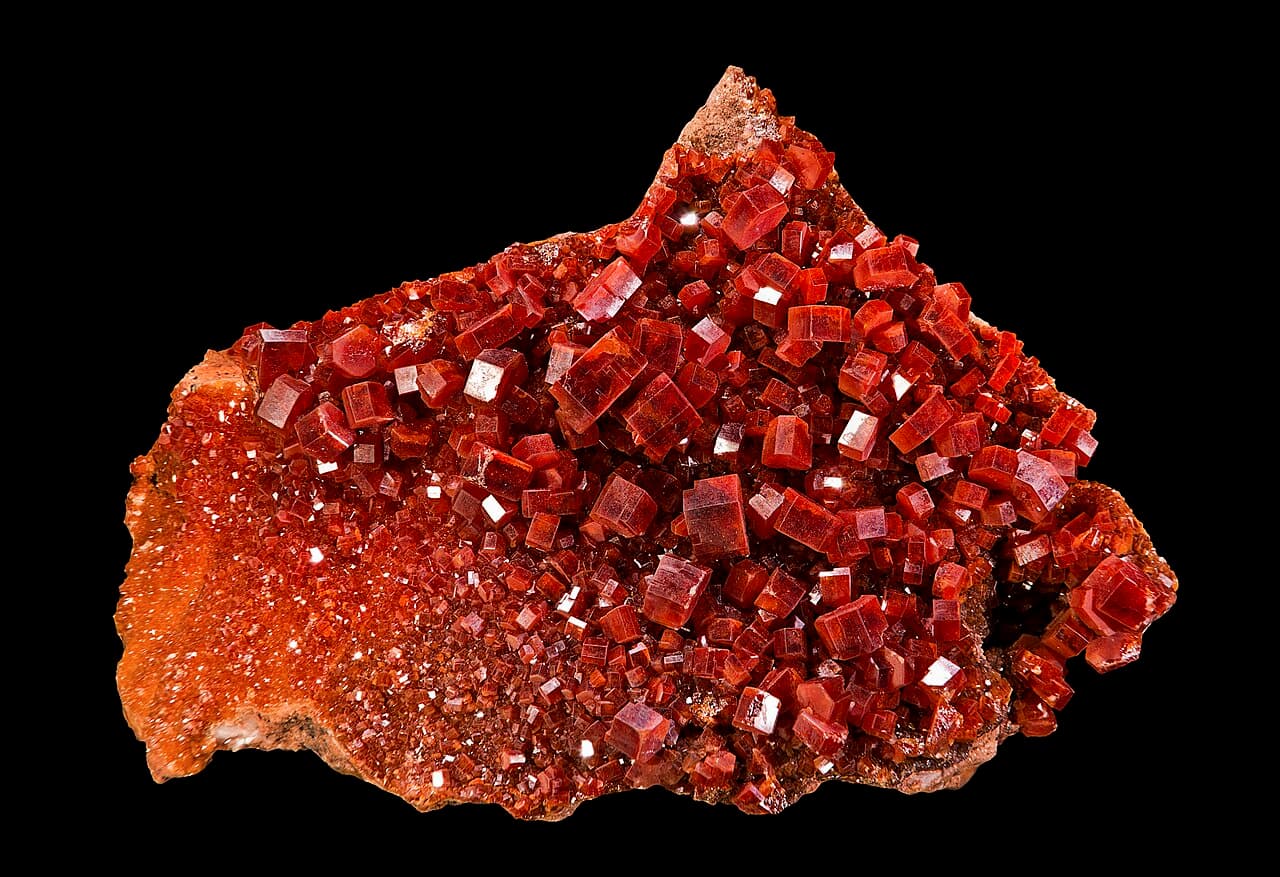
- VanadiniteHardness 3–4
- VarisciteHardness 3.5–4.5
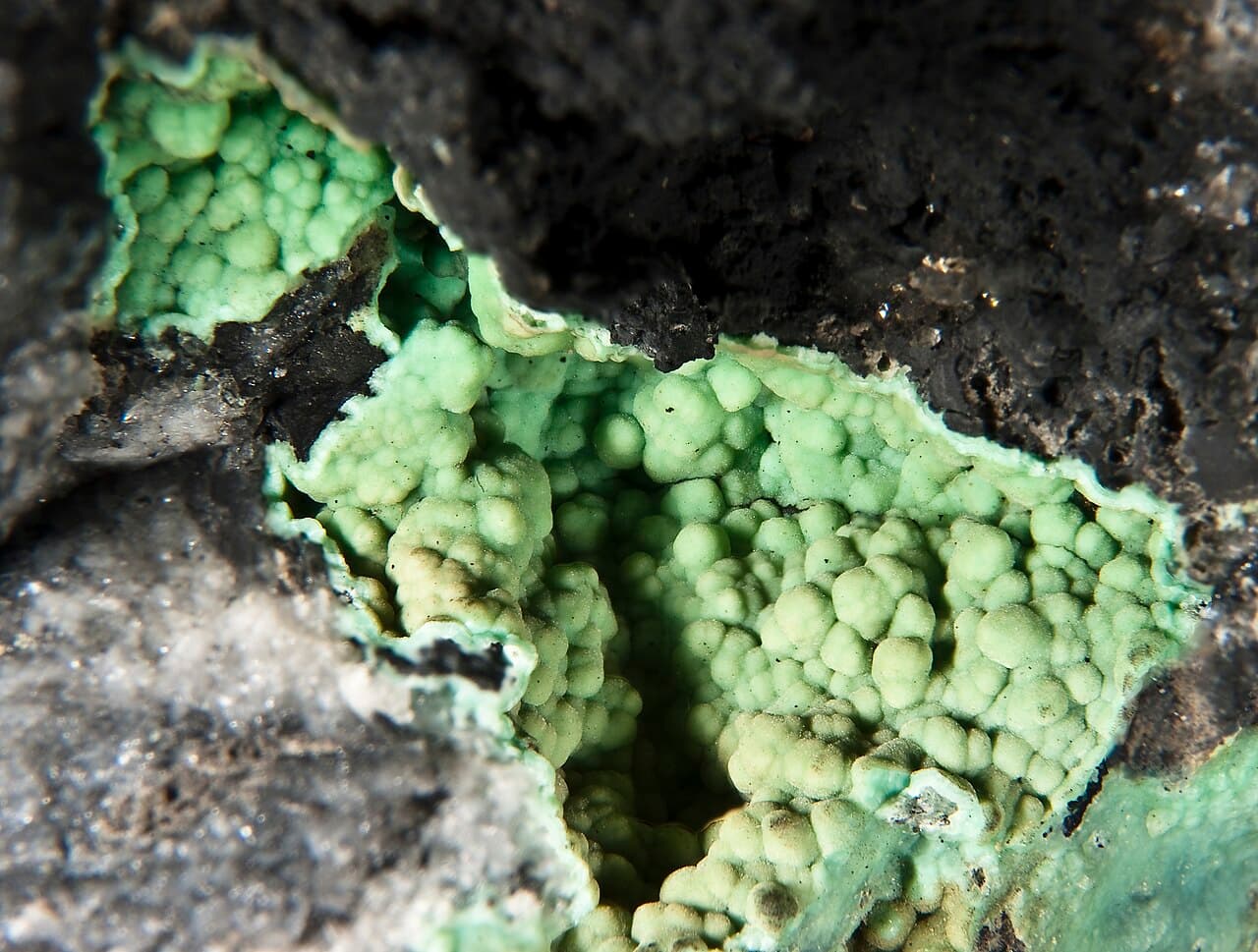
- VesuvianiteHardness 6 to 7
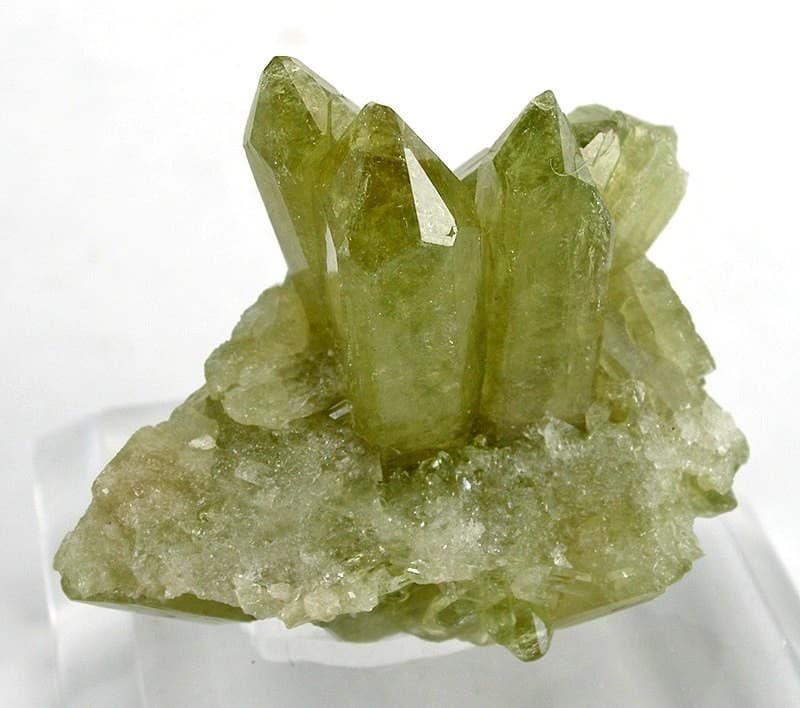
- VivianiteHardness 1.5 to 2
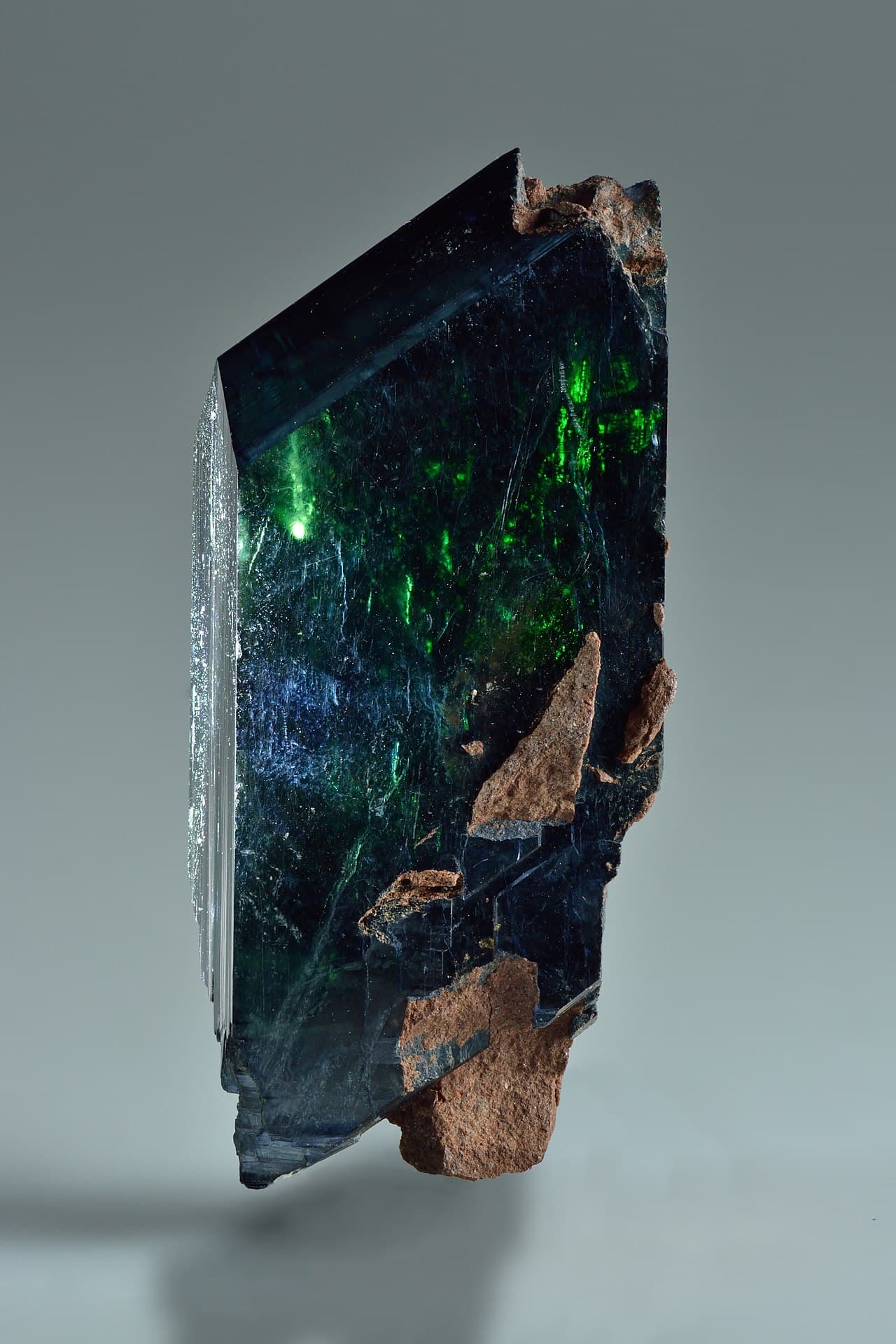
- WulfeniteHardness 2.5–3
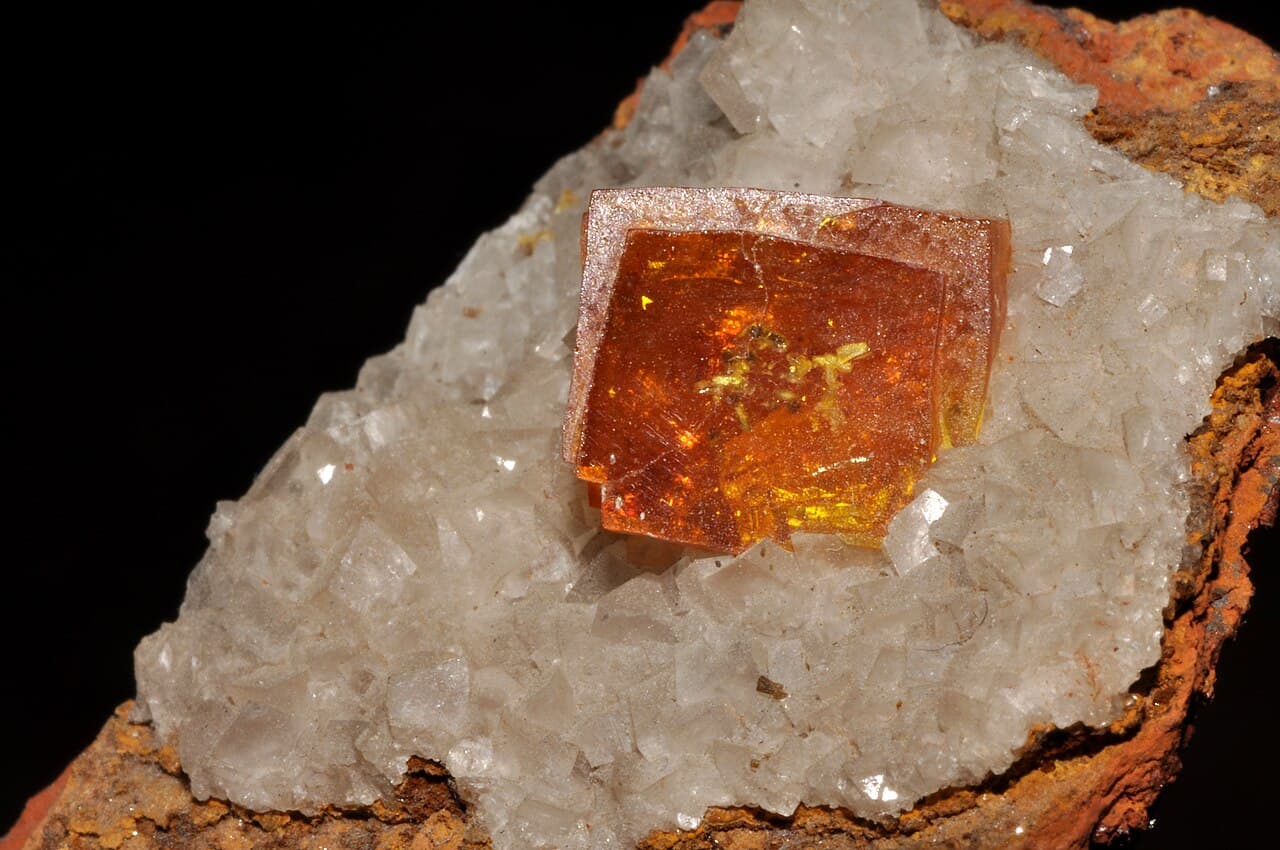
In the guide, without a specimen photo yet:
Photo credits (87 photos, Wikimedia Commons)
- Agate: CEphoto, Uwe Aranas, CC BY-SA 3.0
- Alexandrite: Parent Géry, Public domain
- Amazonite: Neil Kadrmas, CC0
- Amethyst: W.carter, CC BY-SA 4.0
- Ametrine: Gemsphoto, CC BY-SA 3.0
- Ammolite: David Abercrombie, CC BY-SA 2.0
- Andalusite: Ivar Leidus, CC BY-SA 4.0
- Apatite: Didier Descouens, CC BY-SA 4.0
- Apophyllite: Didier Descouens, CC BY-SA 4.0
- Aquamarine: Robert M. Lavinsky, CC BY-SA 3.0
- Aragonite: JJ Harrison (https://www.jjharrison.com.au/), CC BY-SA 4.0
- Aventurine: Mauro Cateb, CC BY-SA 3.0
- Azurite: Photo by and (c)2015 Derek Ramsey (Ram-Man), CC BY-SA 4.0
- Barite: Ivar Leidus, CC BY-SA 4.0
- Bloodstone: Avihu, CC BY 2.5
- Bornite: “Jonathan Zander (Digon3)", CC BY-SA 3.0
- Calcite: Robert M. Lavinsky, CC BY-SA 3.0
- Carnelian: Nkansah Rexford, CC BY 3.0
- Cavansite: Parent Géry, CC BY-SA 3.0
- Celestite: Nkansah Rexford, CC BY 3.0
- Chalcedony: Texas Lane, CC BY-SA 4.0
- Charoite: Ra'ike (see also: de:Benutzer:Ra'ike), CC BY 3.0
- Chrysoberyl: Géry PARENT, Public domain
- Chrysocolla: Naturalis Biodiversity Center, CC0
- Chrysoprase: James St. John, CC BY-SA 4.0
- Cinnabar: Géry PARENT, Public domain
- Citrine: W.carter, CC BY-SA 4.0
- Clear Quartz: W.carter, CC BY-SA 4.0
- Danburite: Parent Géry, CC BY-SA 3.0
- Dioptase: Didier Descouens, CC BY-SA 3.0
- Dolomite: Didier Descouens, CC BY-SA 4.0
- Dumortierite: Marie-Lan Taÿ Pamart, CC BY 4.0
- Epidote: Géry PARENT, Public domain
- Fluorite: Giovanni Dall'Orto, CC BY-SA 2.5 it
- Garnet: Rock Currier, CC BY 3.0
- Hematite: Joe deSousa, CC0
- Hemimorphite: Photo by and (c)2015 Derek Ramsey (Ram-Man), CC BY-SA 4.0
- Howlite: Robert M. Lavinsky, CC BY-SA 3.0
- Iolite: Parent Géry, CC BY-SA 3.0
- Jade: そらみみ, CC BY-SA 4.0
- Jasper: Marie-Lan Taÿ Pamart, CC BY 4.0
- Kunzite: Géry PARENT, CC BY-SA 3.0
- Kyanite: Raimond Spekking, CC BY-SA 4.0
- Labradorite: Linas Juozėnas, CC BY-SA 4.0
- Lapis Lazuli: Wikimedia Commons, CC BY-SA 3.0
- Larimar: Parent Géry, Public domain
- Lepidolite: Zbynek Burival, CC BY-SA 4.0
- Magnesite: Didier Descouens, CC BY-SA 4.0
- Malachite: TheFurther21, CC BY-SA 4.0
- Moldavite: AdamStejskal, CC BY 4.0
- Molybdenite: Didier Descouens, CC BY 3.0
- Moonstone: Wouter Hagens, CC BY-SA 4.0
- Morganite: Patafisik, CC BY-SA 4.0
- Opal: Danmekis, CC BY-SA 3.0
- Peridot: AdamStejskal, CC BY 4.0
- Prasiolite: Michelle Jo, CC BY 3.0
- Prehnite: Didier Descouens, CC BY-SA 4.0
- Pyrite: James St. John, CC BY 2.0
- Quartz: James St. John, CC BY 2.0
- Rhodochrosite: Parent Géry, CC BY-SA 3.0
- Rhodonite: Didier Descouens, CC BY-SA 4.0
- Rose Quartz: Peter Cooper Jr., CC0
- Scapolite: Géry PARENT, Public domain
- Scolecite: Filip Kubálek, CC BY-SA 4.0
- Selenite: Bryan Barnes, CC BY-SA 4.0
- Septarian: Marie-Lan Taÿ Pamart, CC BY 4.0
- Seraphinite: Ra'ike (see also: de:Benutzer:Ra'ike), CC BY 3.0
- Serpentine: Kritzolina, CC BY-SA 4.0
- Shungite: vaton3, CC BY-SA 4.0
- Smithsonite: Bureau of Mines, Public domain
- Smoky Quartz: AdamStejskal, CC BY 4.0
- Sodalite: James St. John, CC BY 2.0
- Sphalerite: Fuzheado (talk), CC BY-SA 3.0
- Stibnite: Géry PARENT, Public domain
- Stilbite: Thomas Quine, CC BY 2.0
- Tektite: Geologicharka, CC BY-SA 3.0
- Tiger's Eye: “Jon Zander (Digon3)”, CC BY-SA 3.0
- Titanite: Raimond Spekking, CC BY-SA 4.0
- Topaz: Marco Hazard from Hong Kong, Hong Kong, CC BY-SA 2.0
- Tourmaline: “Jon Zander (Digon3)", CC BY-SA 3.0
- Turquoise: W.carter, CC BY 4.0
- Unakite: James St. John, CC BY 2.0
- Vanadinite: Didier Descouens, CC BY-SA 3.0
- Variscite: Didier Descouens, CC BY 3.0
- Vesuvianite: Robert M. Lavinsky, CC BY-SA 3.0
- Vivianite: Ivar Leidus, CC BY-SA 4.0
- Wulfenite: Géry PARENT, Public domain
Looking for rocks or fossils instead? See the full field guide
Frequently asked questions
How many types of crystals are there?
It depends on what you count. Science sorts every crystal into one of 7 crystal systems. Counted as minerals, there are about 6,250 kinds. The official list kept by the International Mineralogical Association held 6,252 valid species in November 2026. Only a few hundred of those are cut, tumbled or sold as crystals.
What are the 7 types of crystals?
There are 7 crystal systems. They are cubic, tetragonal, orthorhombic, hexagonal, trigonal, monoclinic and triclinic. Each one names the shape of the pattern inside the crystal. Some books count trigonal and hexagonal as one family. That gives 6.
What are the most common types of crystals?
By far the most common are quartz-family crystals: clear quartz, amethyst, rose quartz, citrine, smoky quartz, agate and carnelian. They are common, hard-wearing and come in every color. That is why crystal shops are full of them.
How are crystals classified?
Geologists classify minerals by chemistry and crystal structure (silicates, carbonates, oxides and so on). Crystal sellers more often group them by color, by use or by family. This guide does the same.
How do I find out what type of crystal I have?
Start with color and crystal shape, then confirm with simple tests like hardness and streak. Our photo identifier suggests the most likely type with a confidence score. Our guides take you through each test.
Sources
- Mineral count: “The New IMA List of Minerals”, updated November 2026, from the International Mineralogical Association's commission on new minerals (cnmnc.units.it). It lists 6,252 currently valid species.
- Crystal systems and the hexagonal family: the standard crystallography classification, as set out on Wikipedia's “Crystal system” page.
- Hardness, color and crystal system for each stone: our own field-guide entries, which this page reads directly.
- Photos: Wikimedia Commons, credited per photo above.
Which type of crystal do you have?
Photograph it and get an identification with a confidence level, the look-alikes to rule out, and the field-guide entry for that crystal.
Identify my crystal freeOn Android? Get the free rock identifier app